אירוע VIP עם טליה לובטון

Summer 2025

The Journey of Leather – Between Tradition and Contemporary Art

We believe in the power of art and design. In their ability to open the heart, expand thoughts and bring new life into everyday life. When it comes to Israeli art, our excitement only grows. For more than 30 years, recognizing and supporting young artists and designers from the country has been not only a tradition but a way of life and an ideology left by the late Daniela Lehavi and continues to lead us.

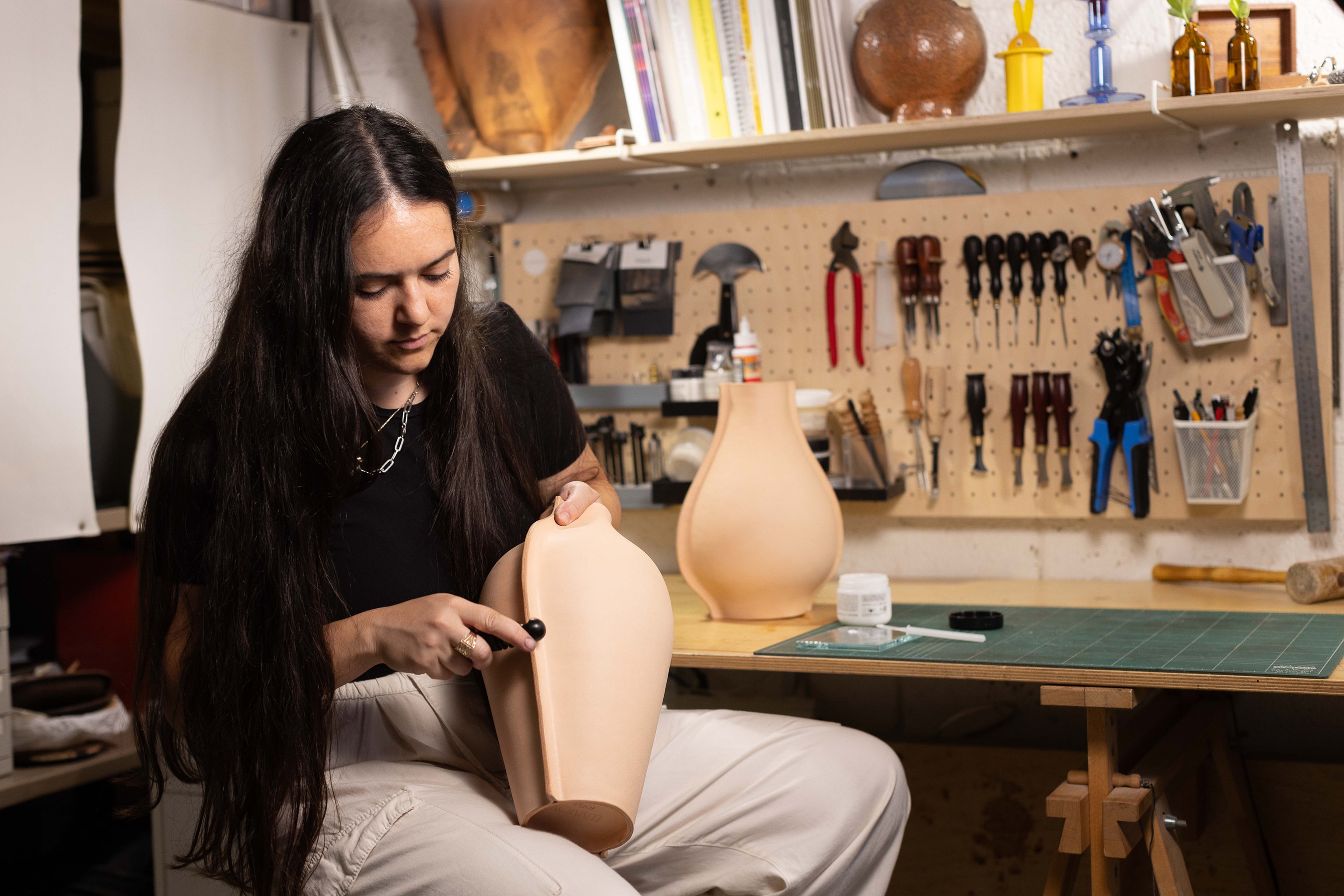
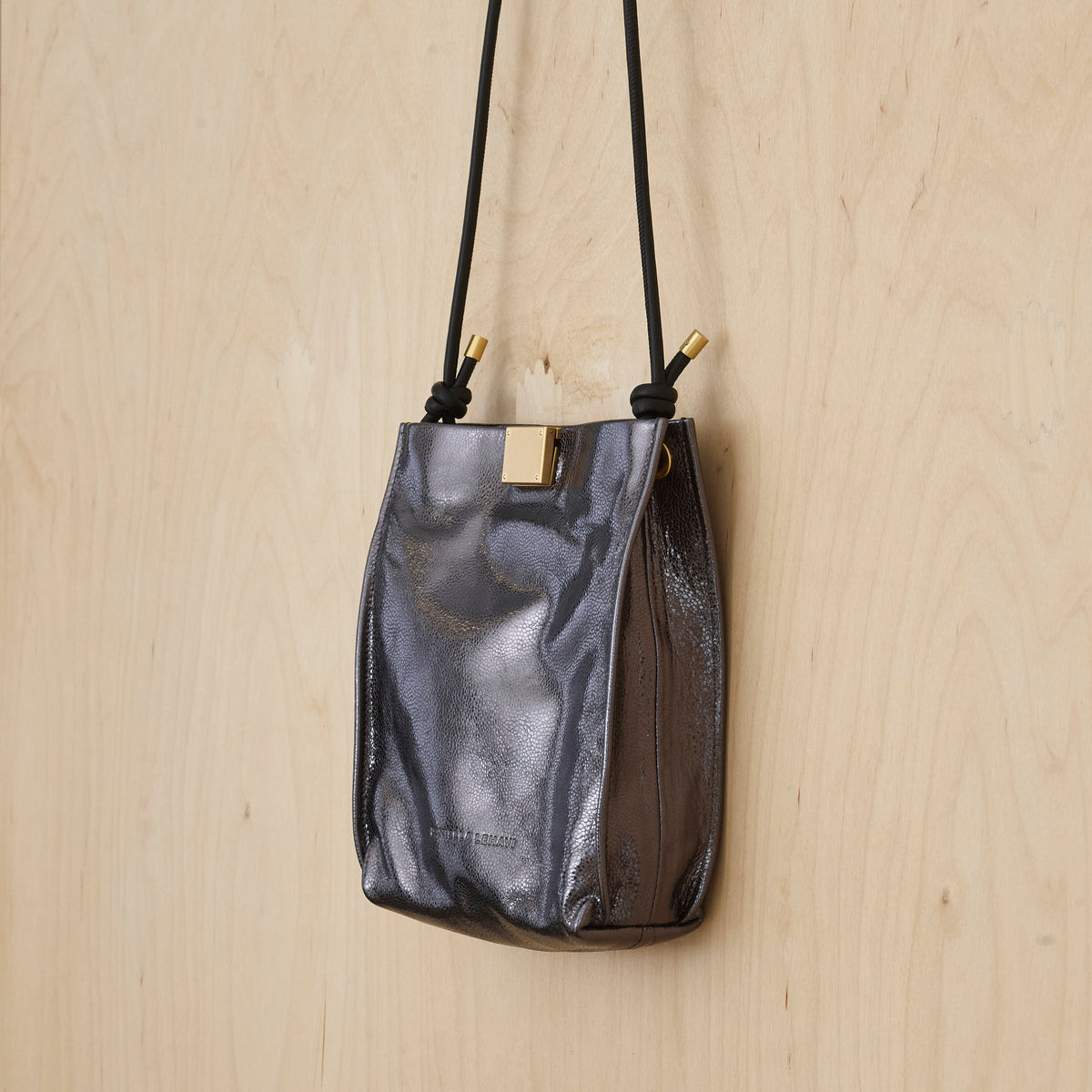
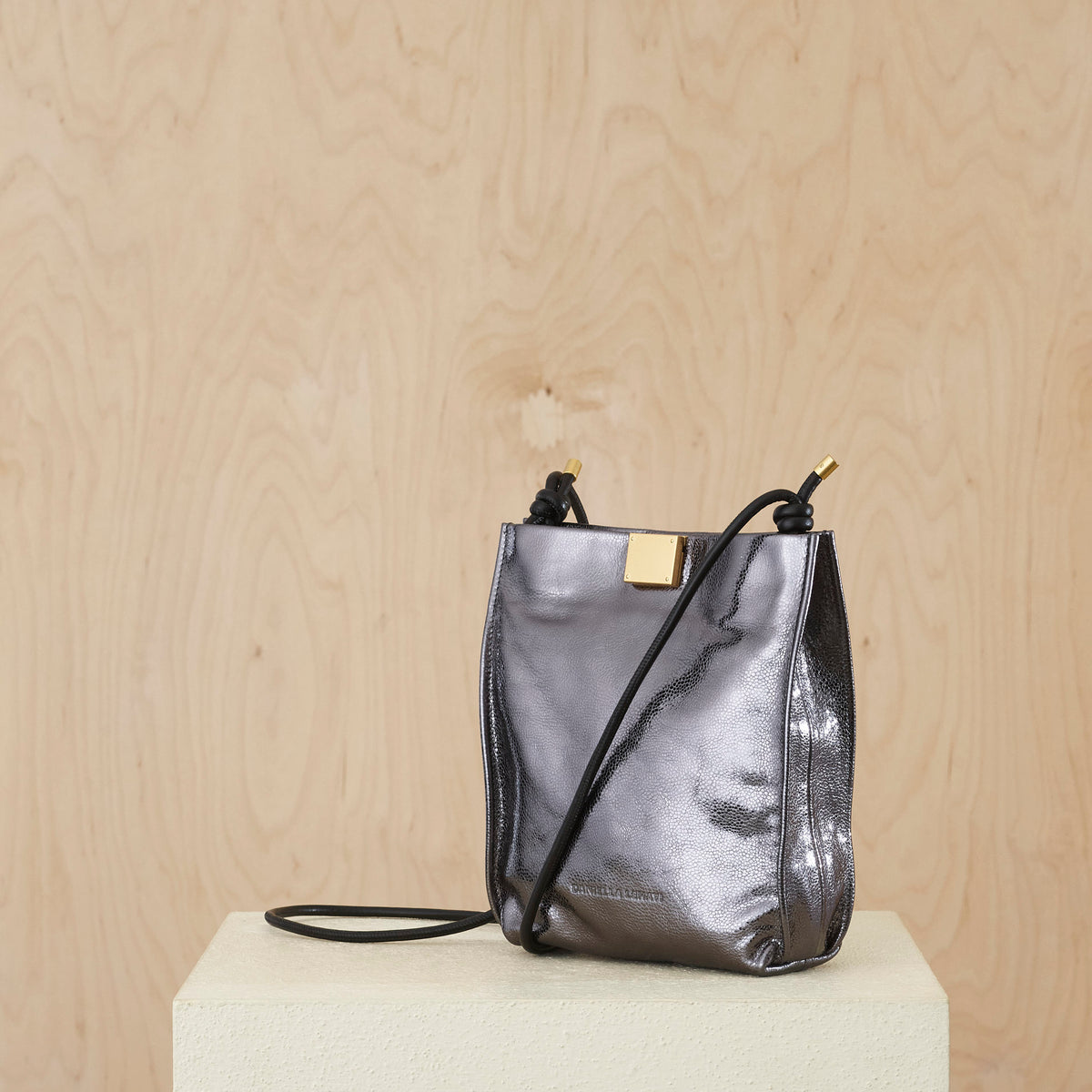
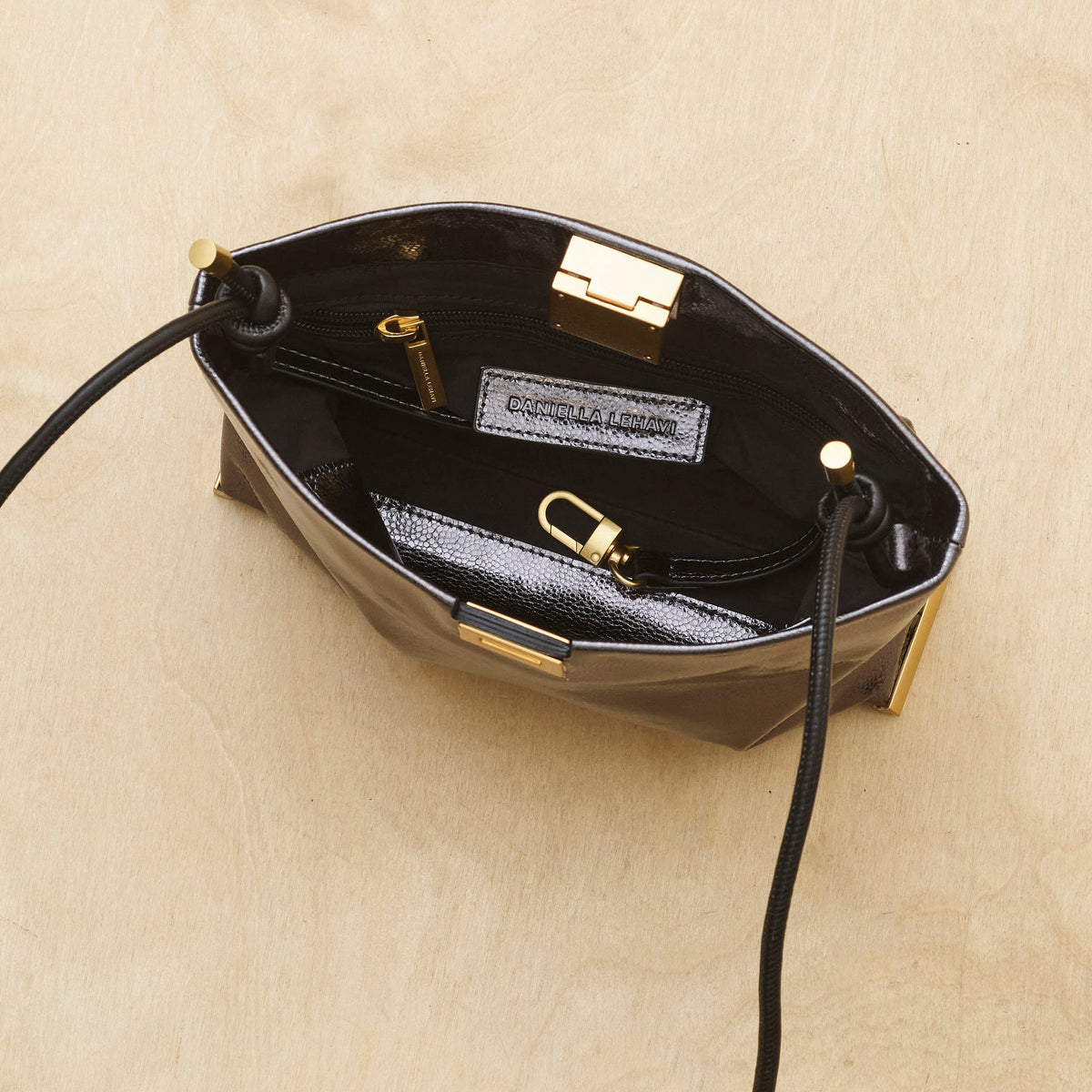
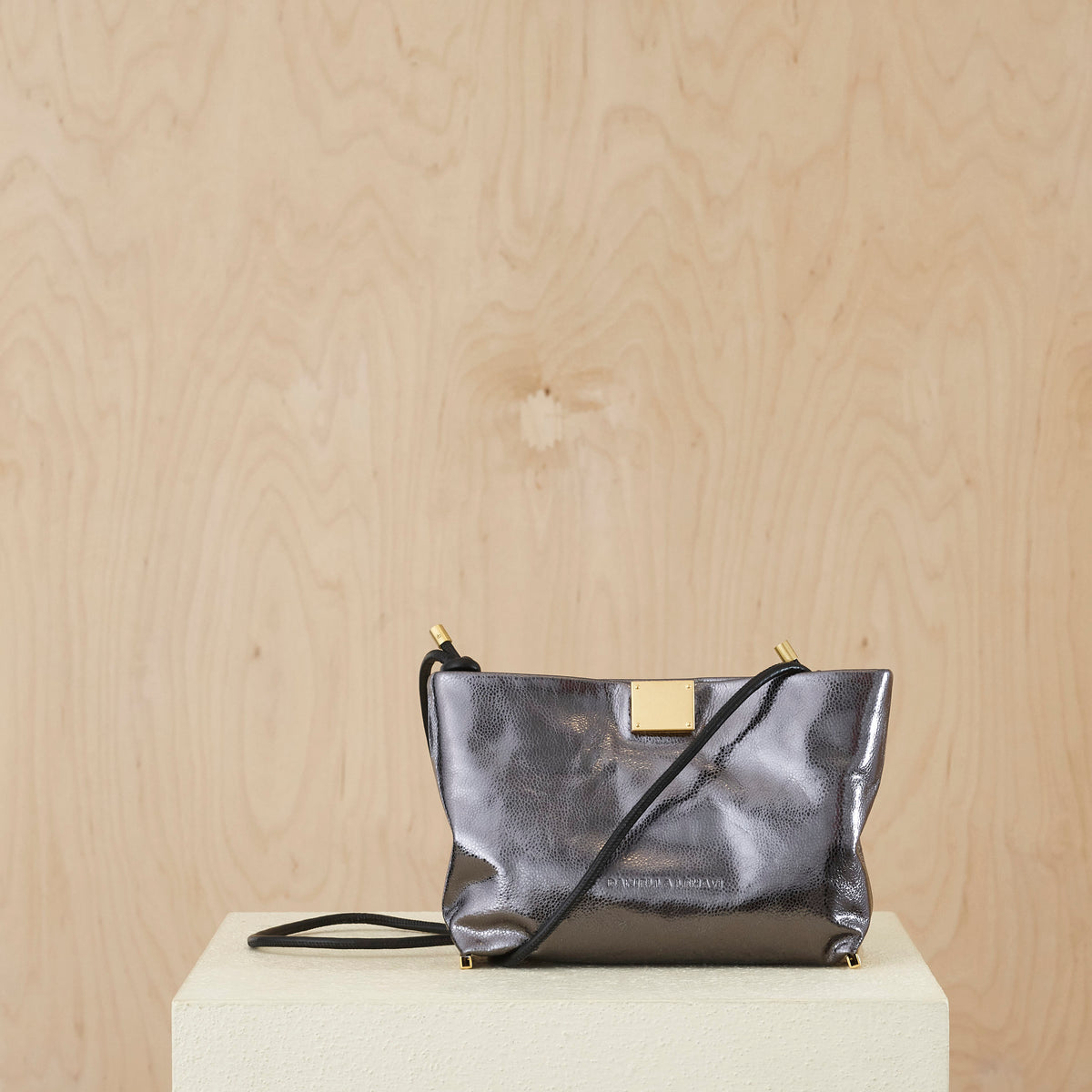
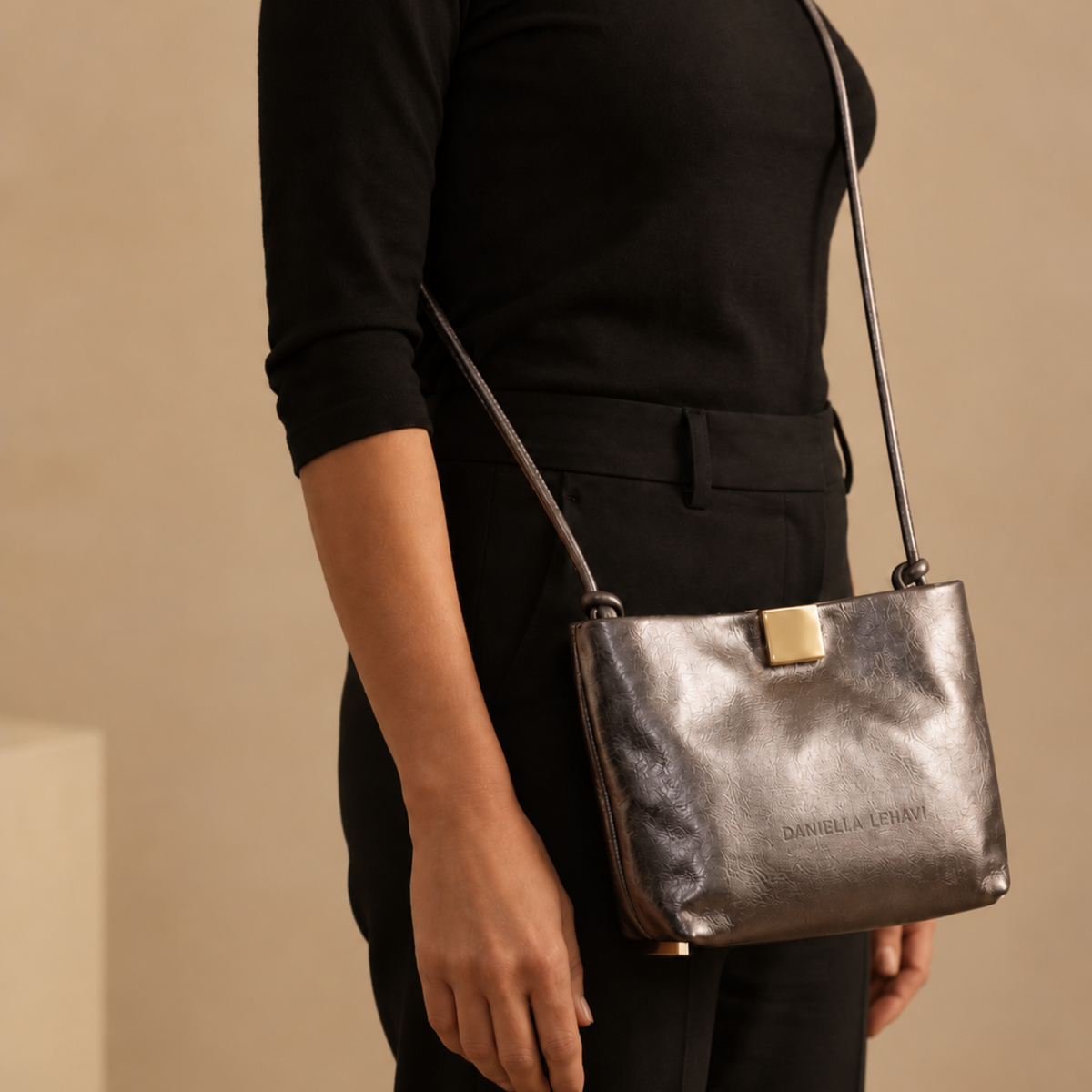
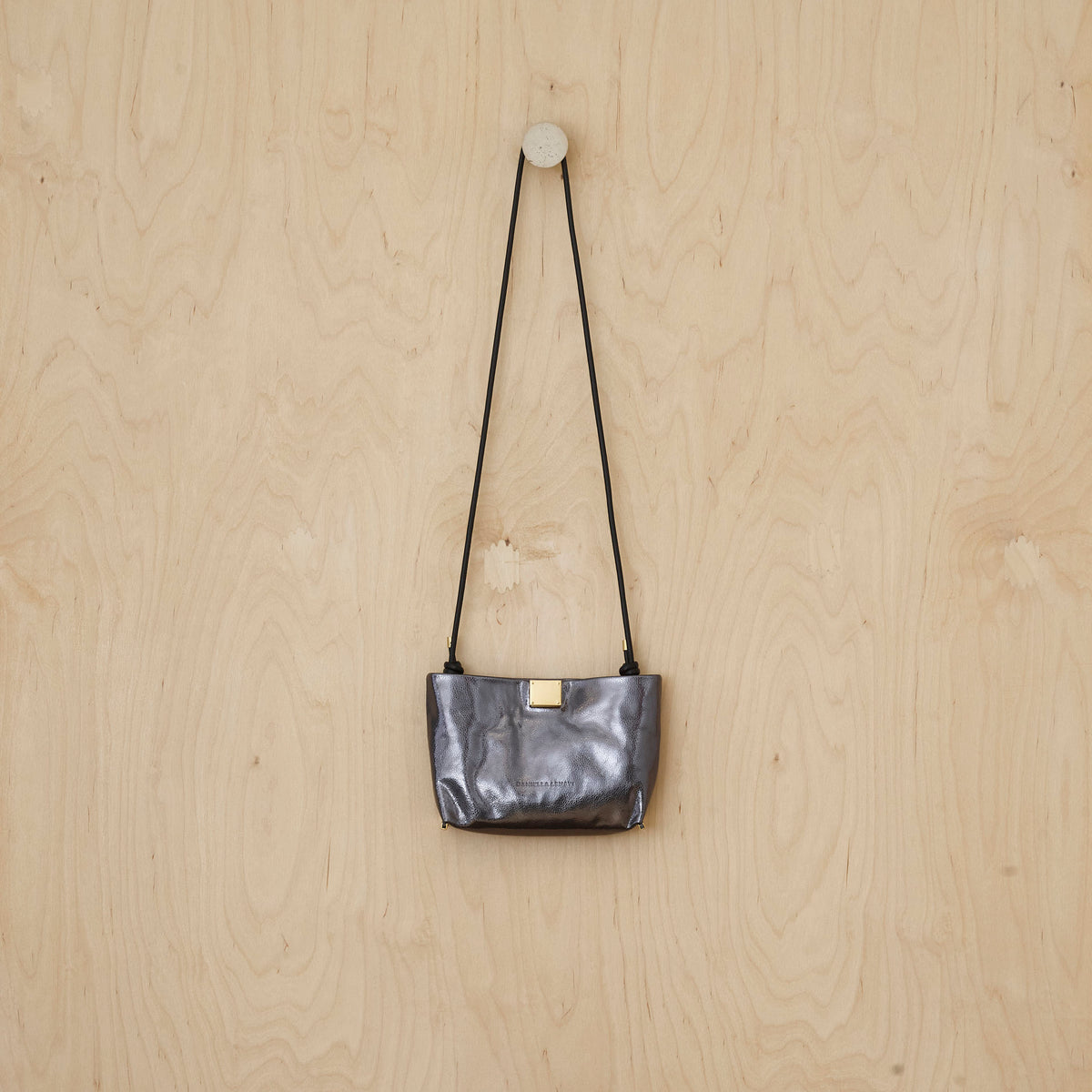
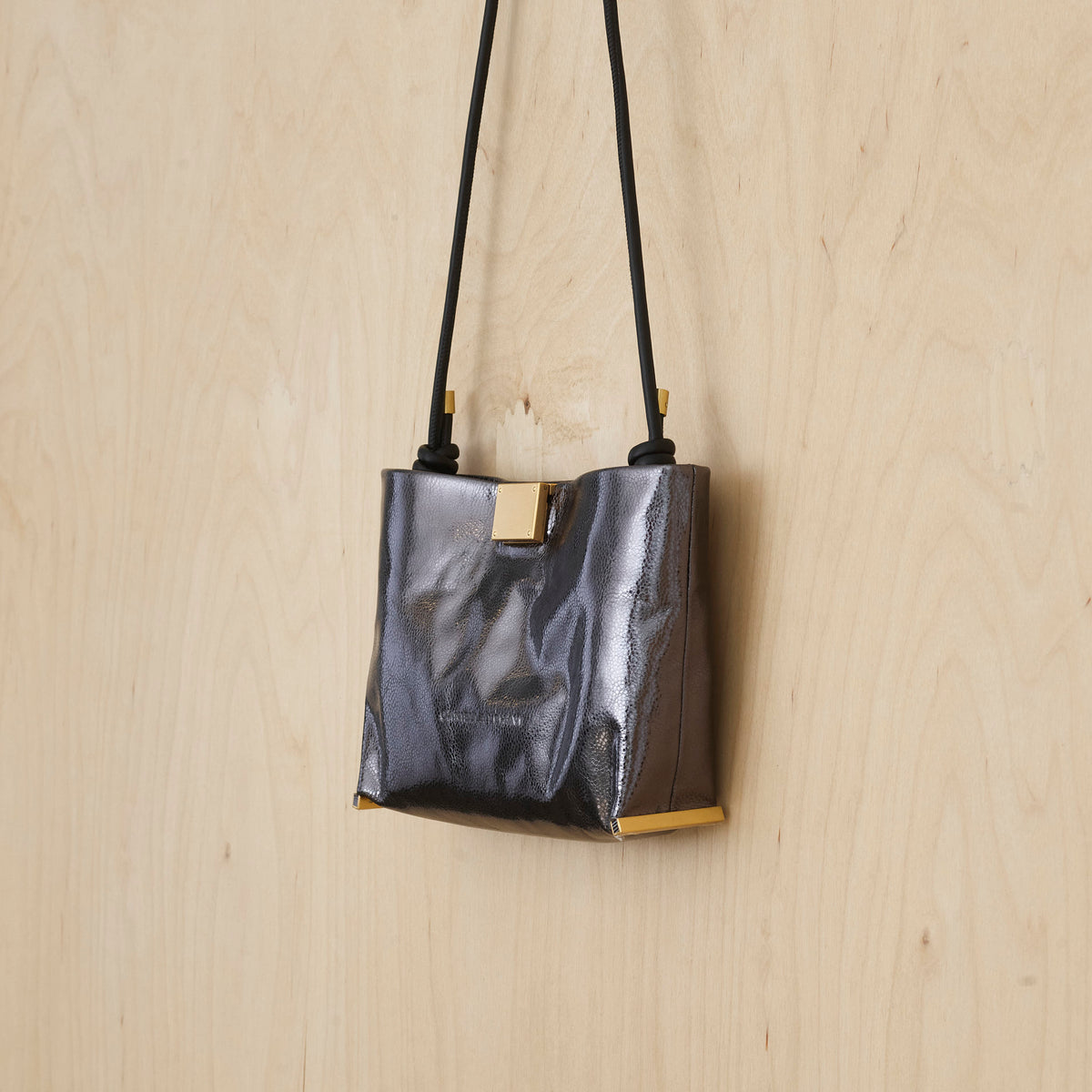
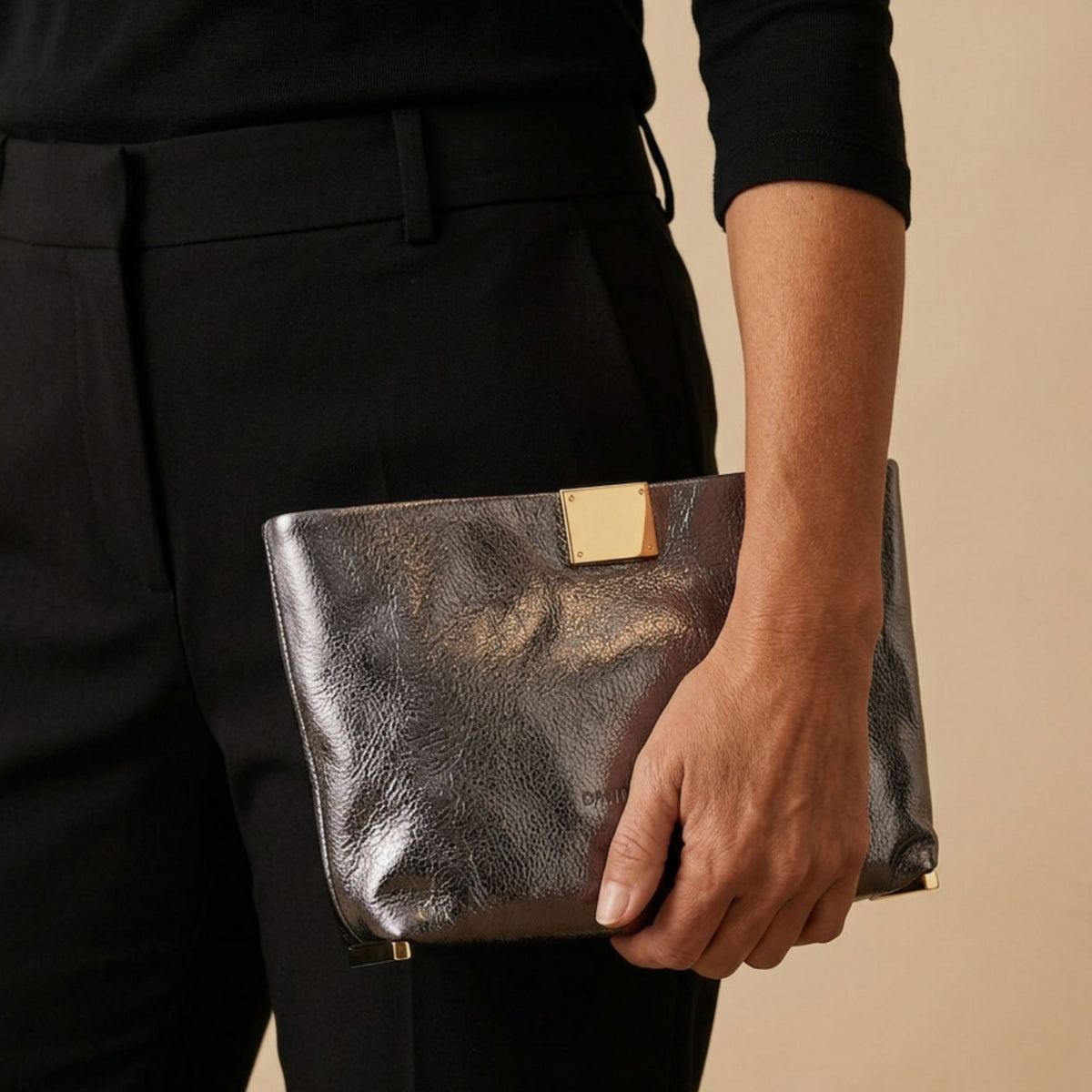
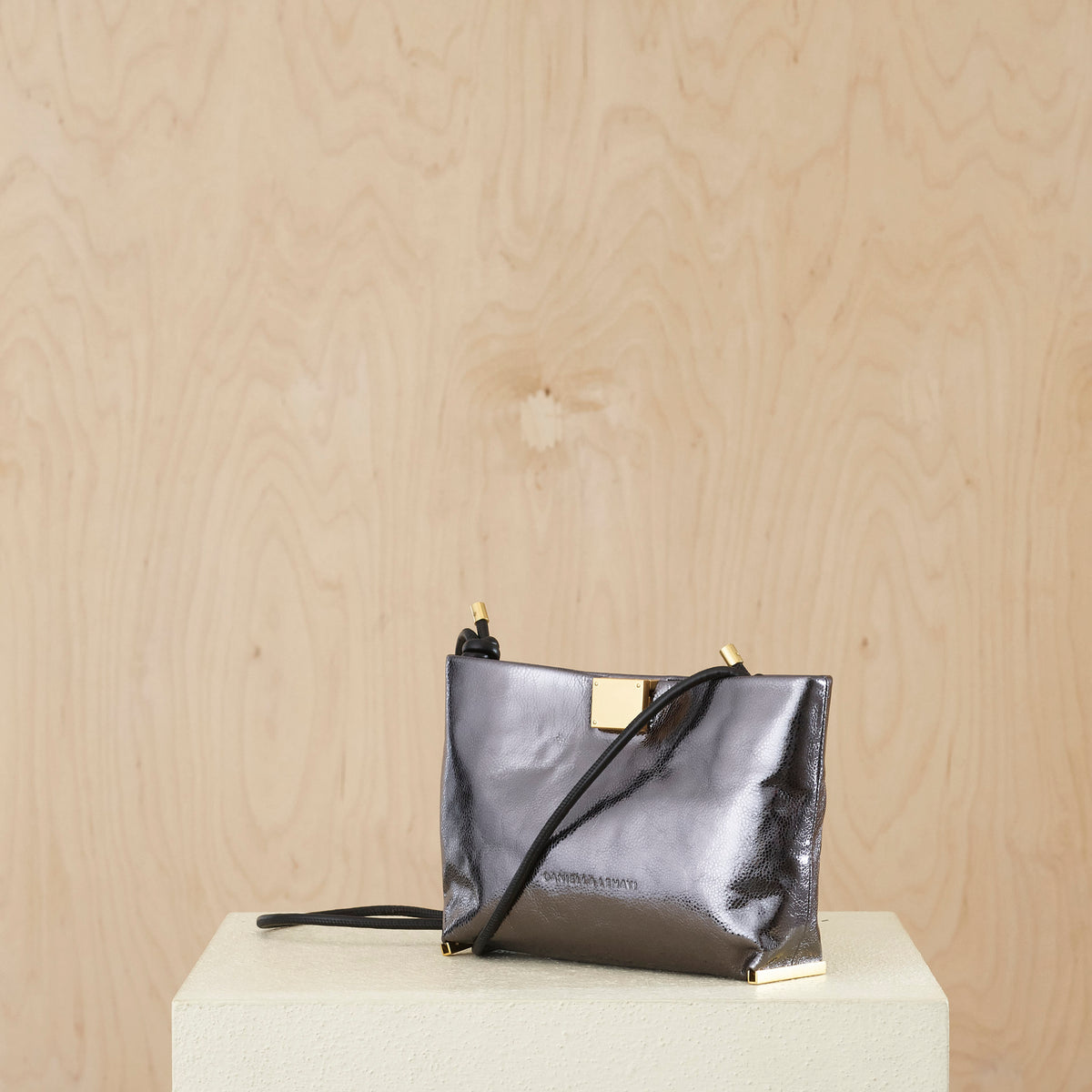
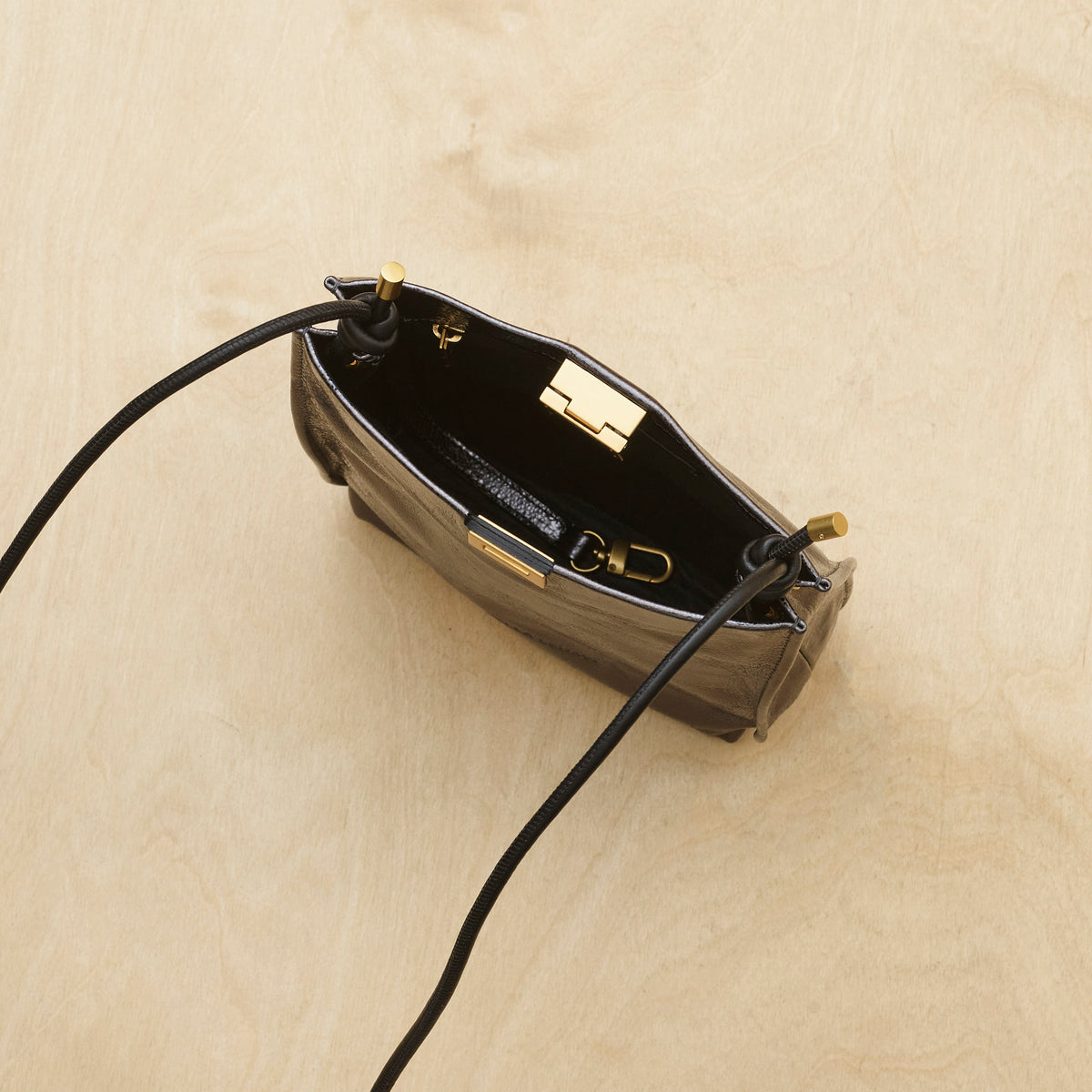
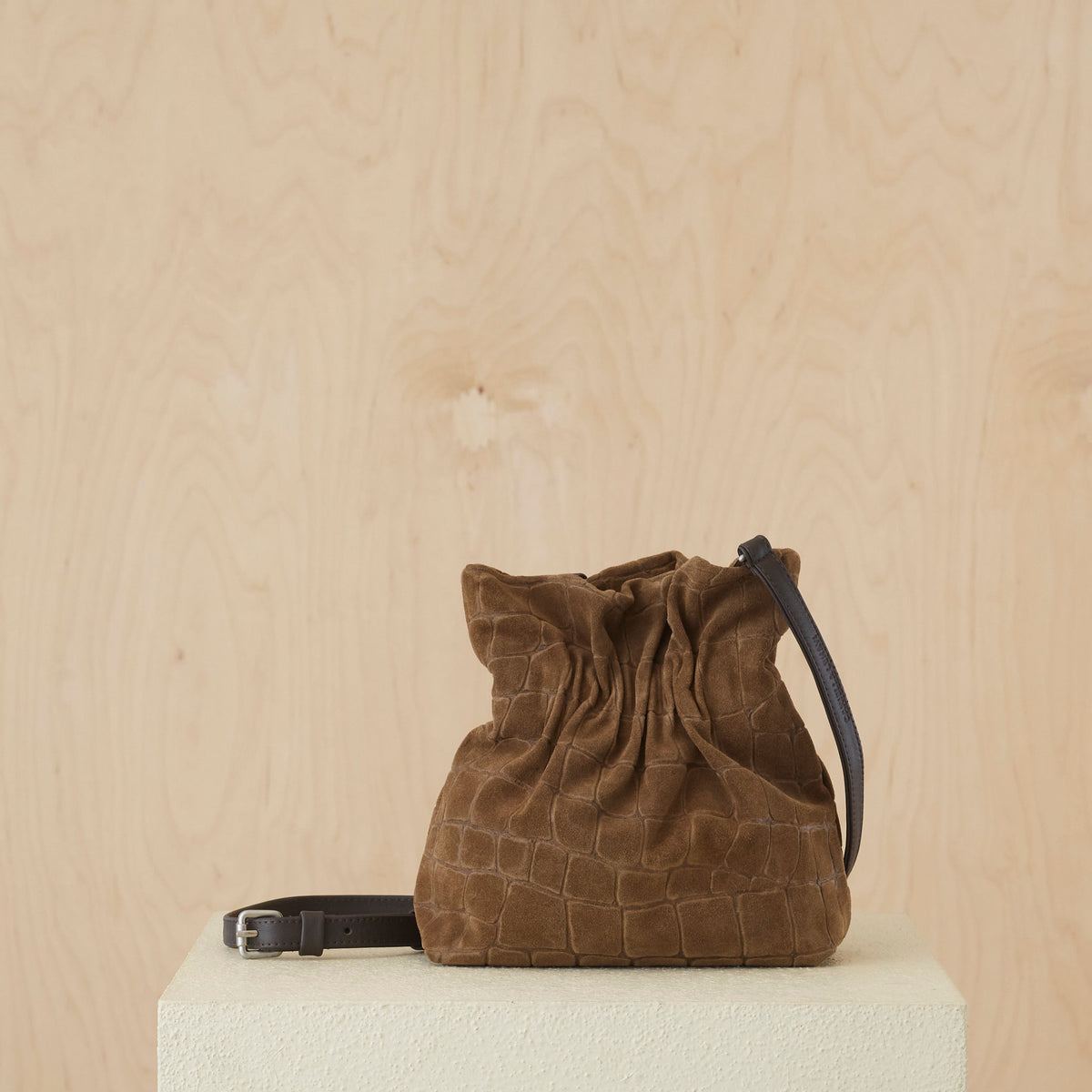
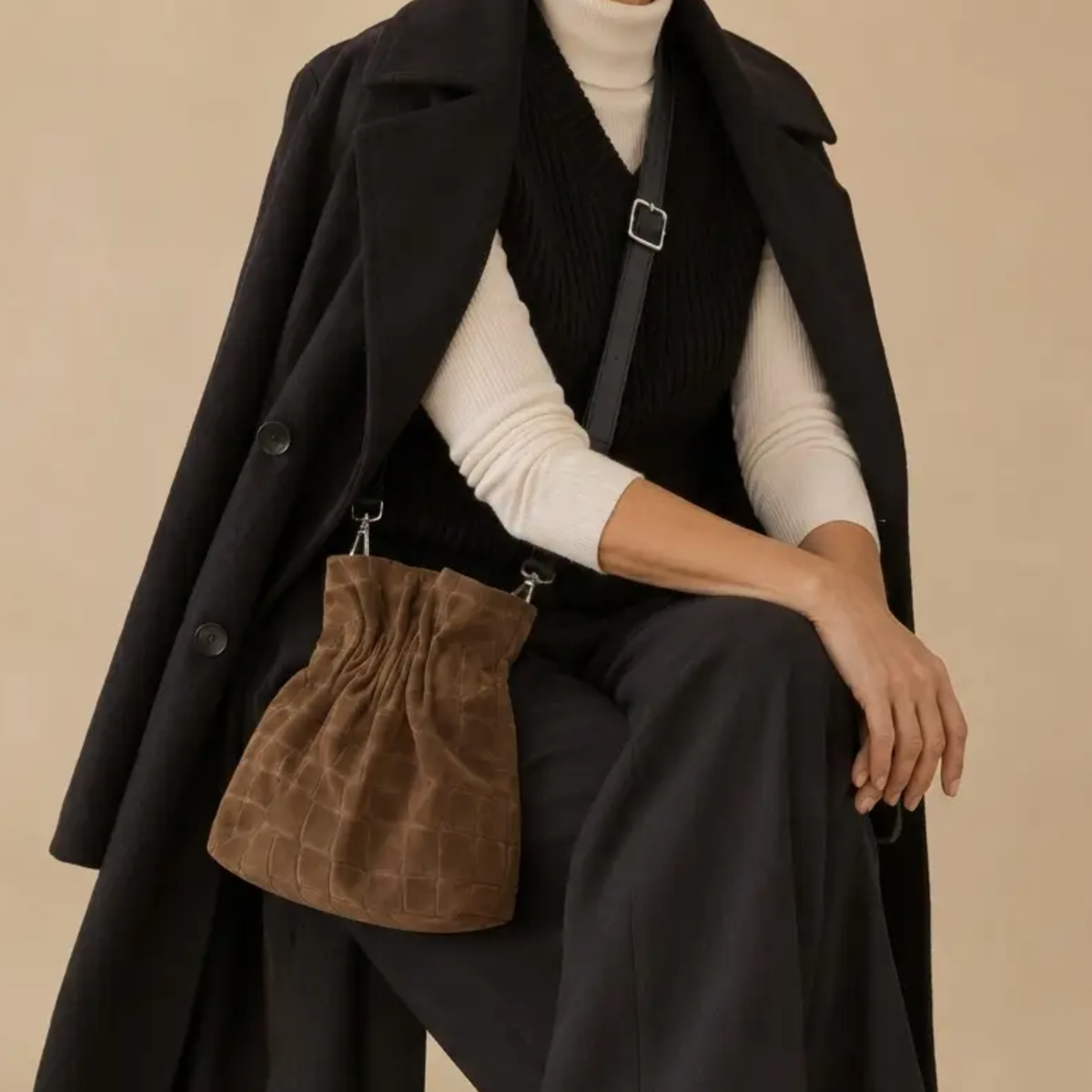
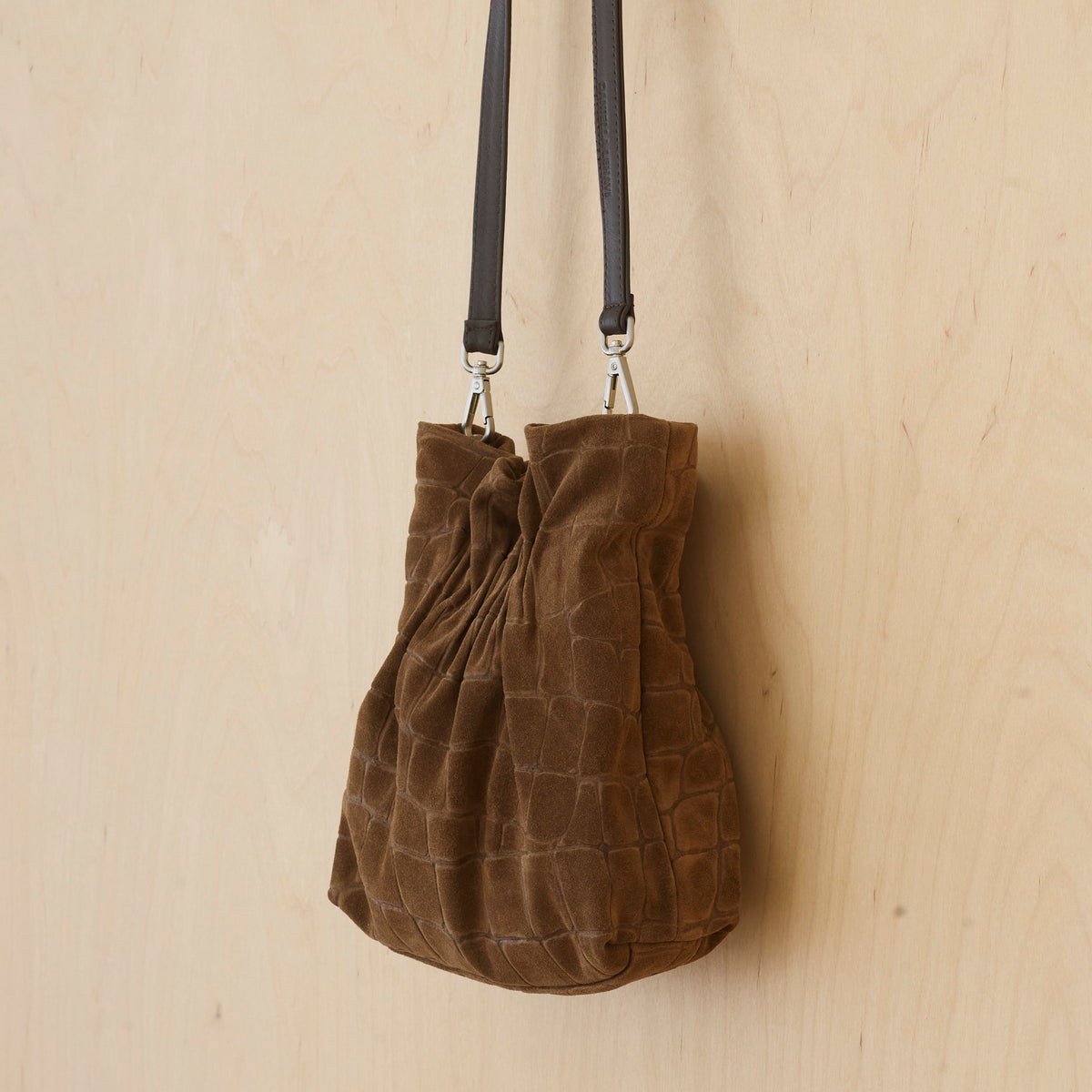
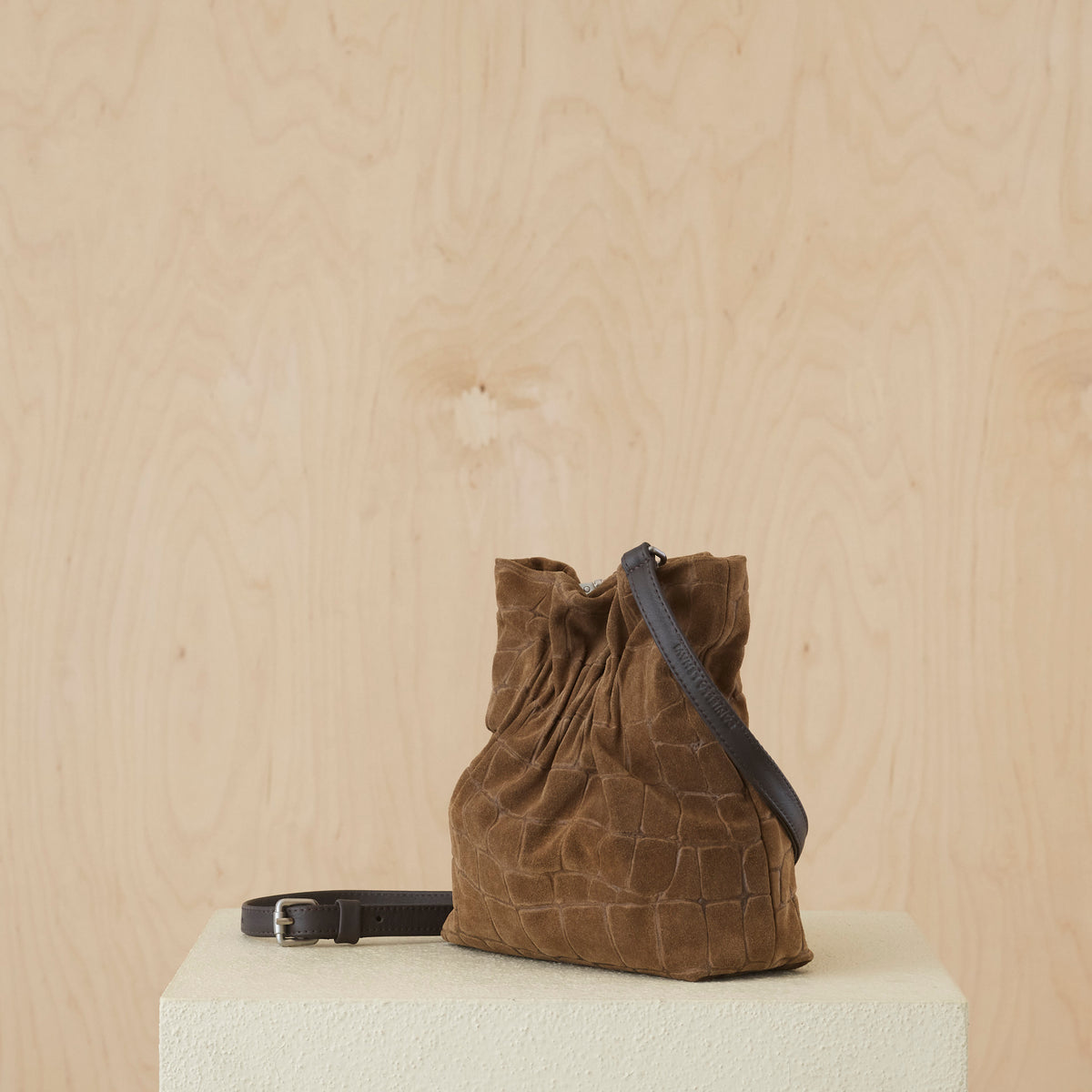
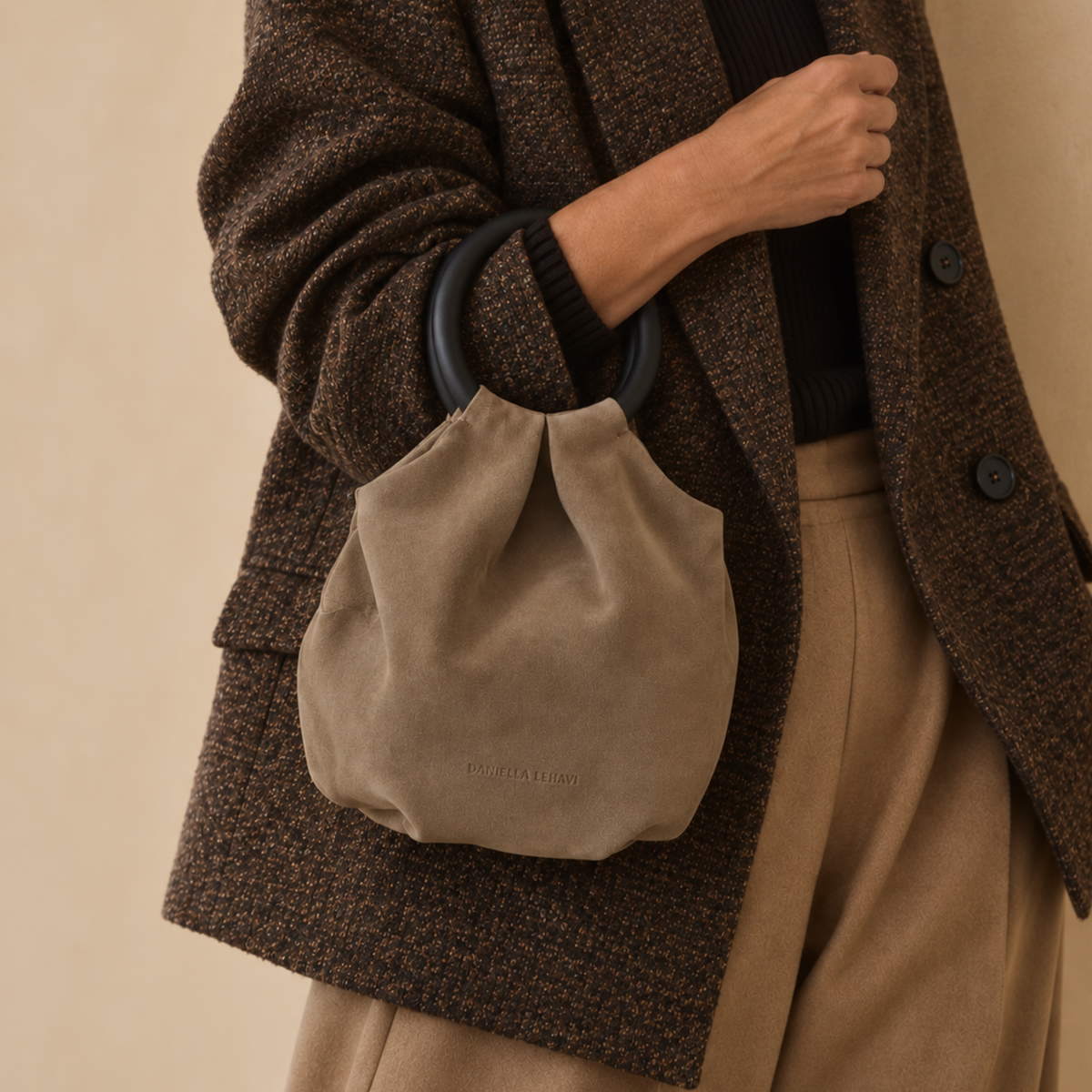
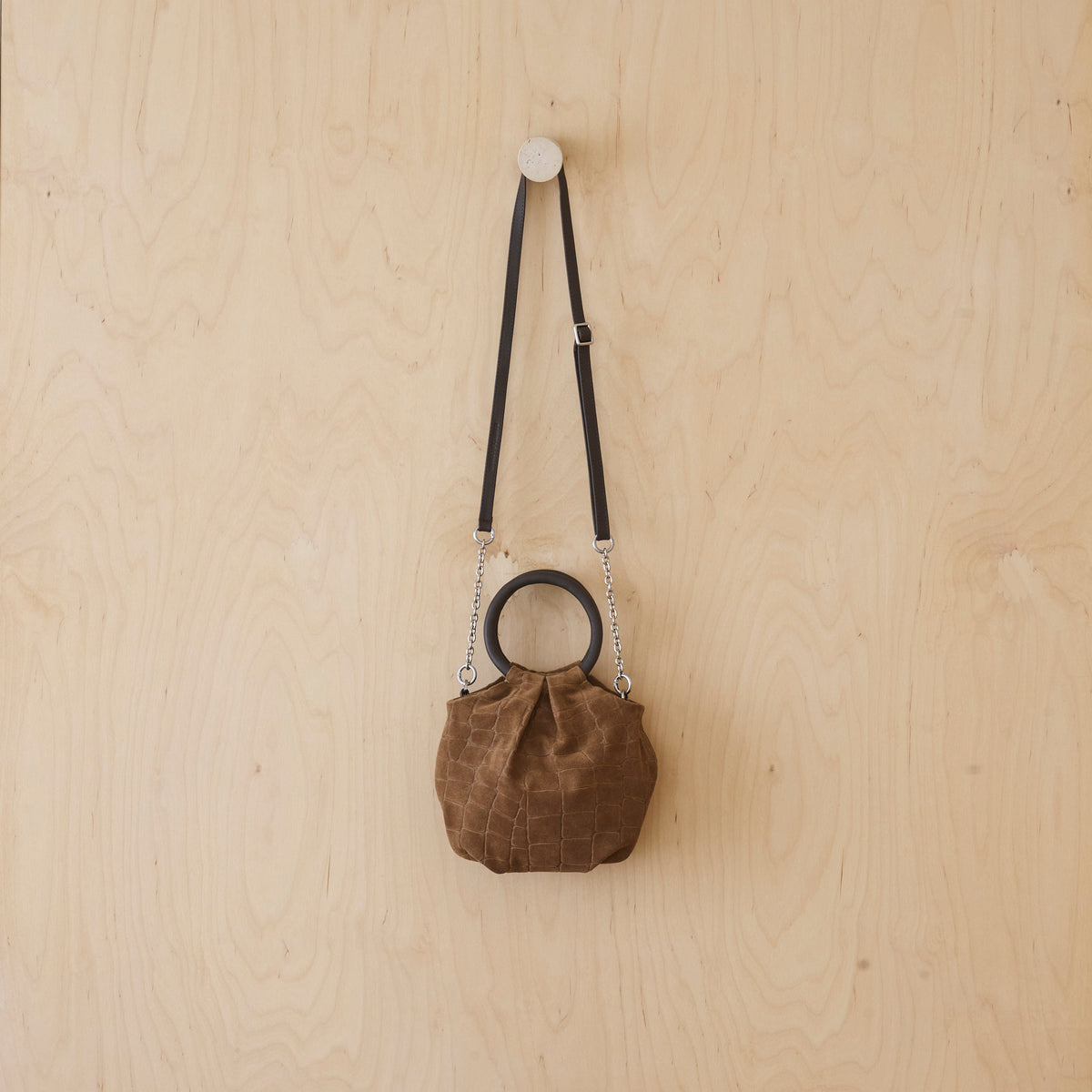
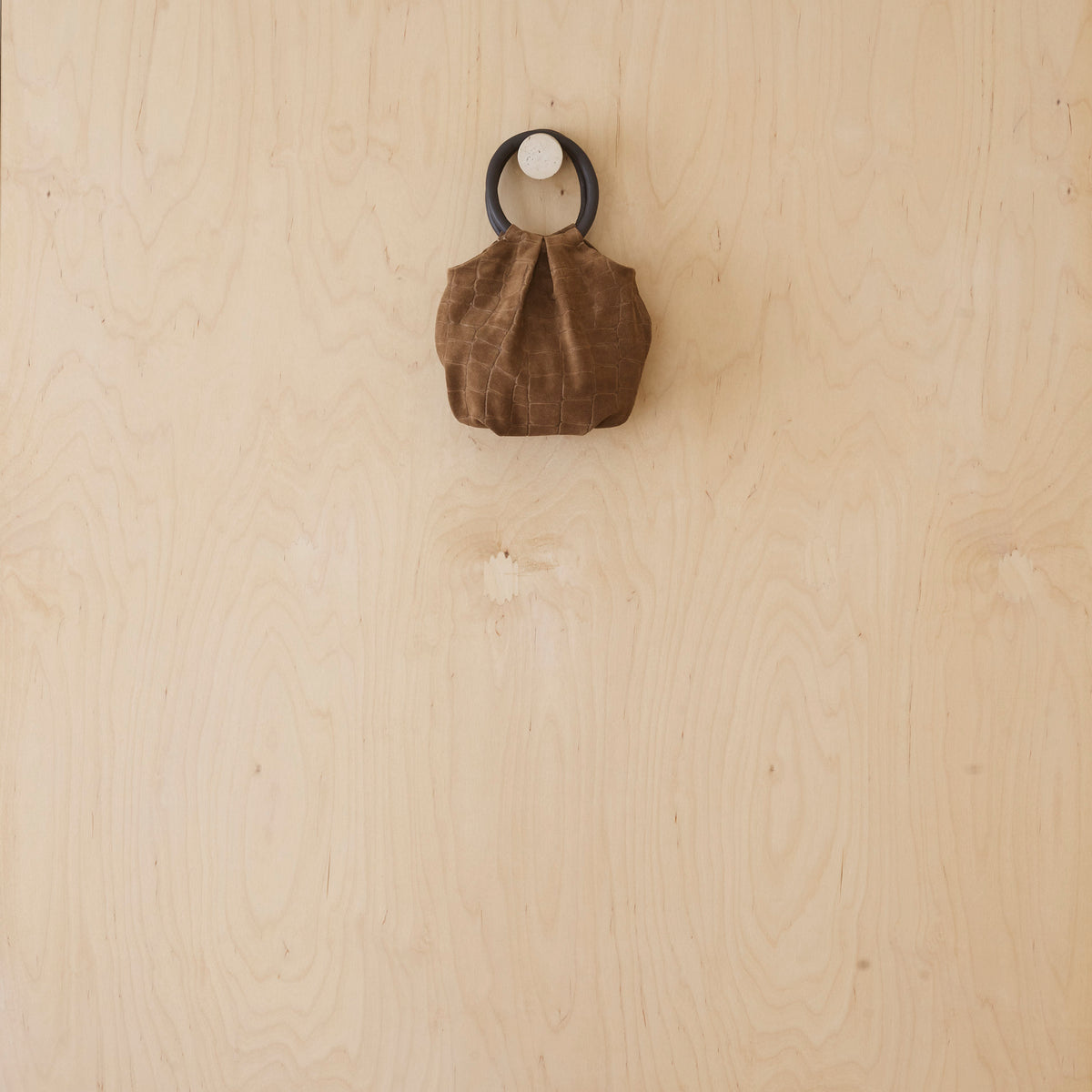
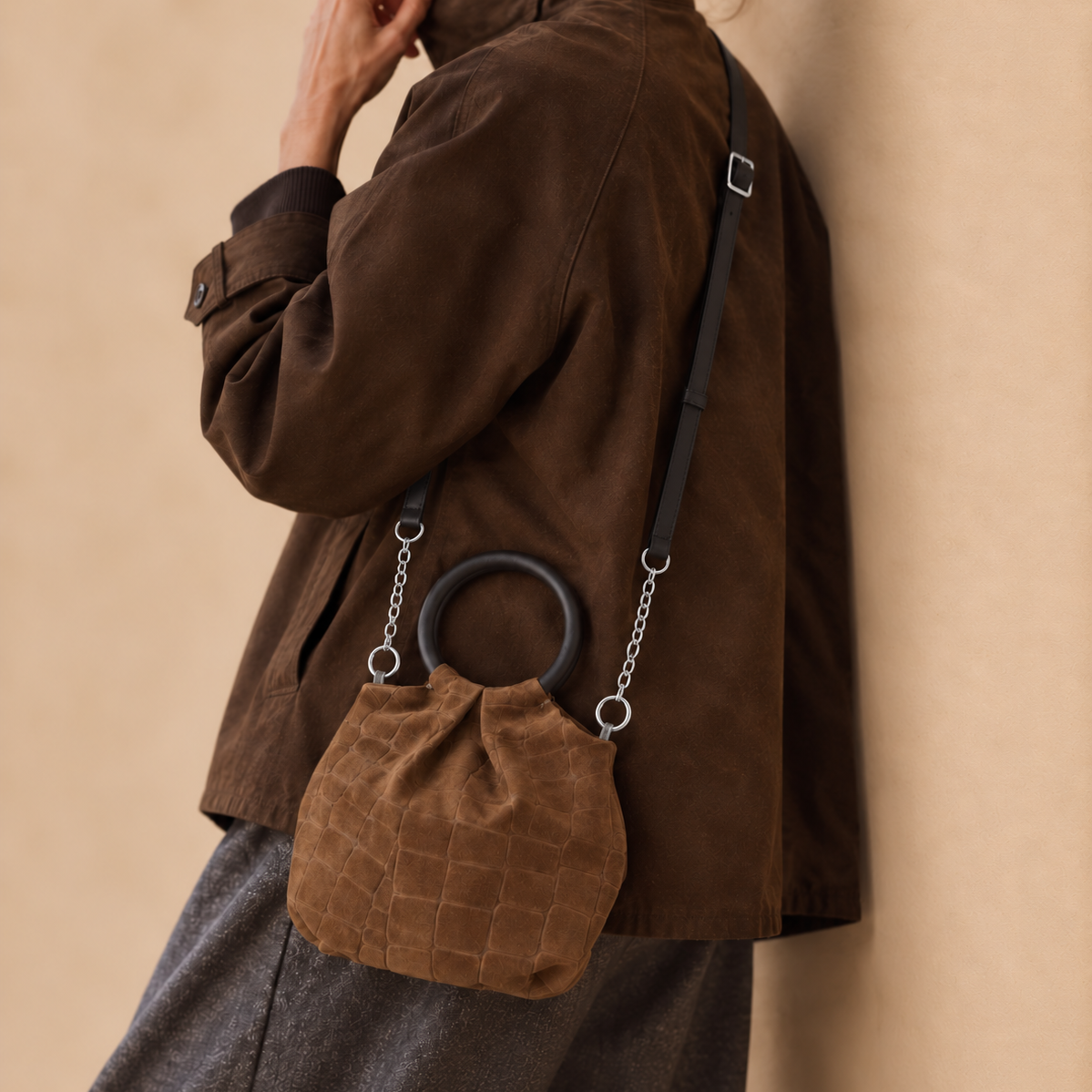
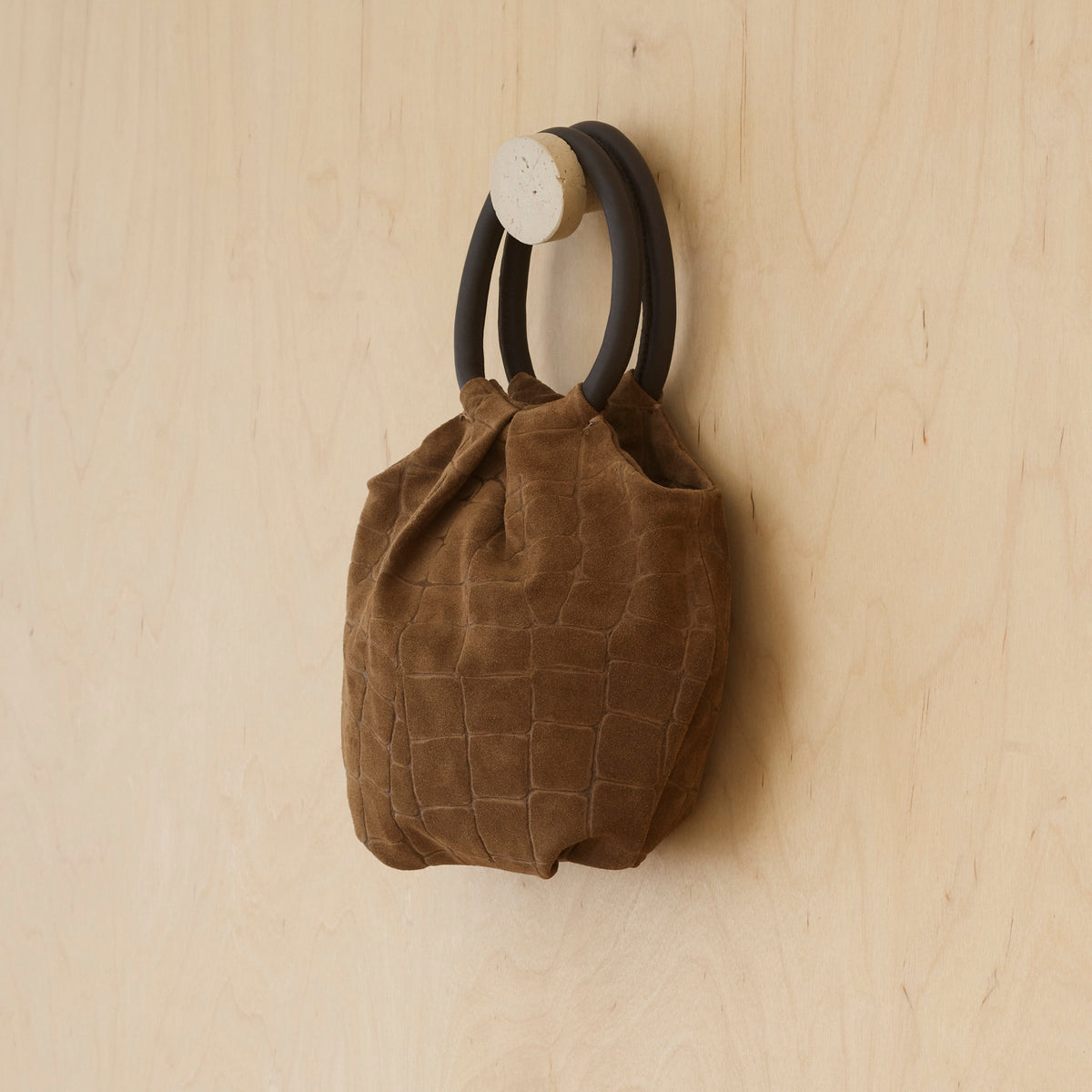
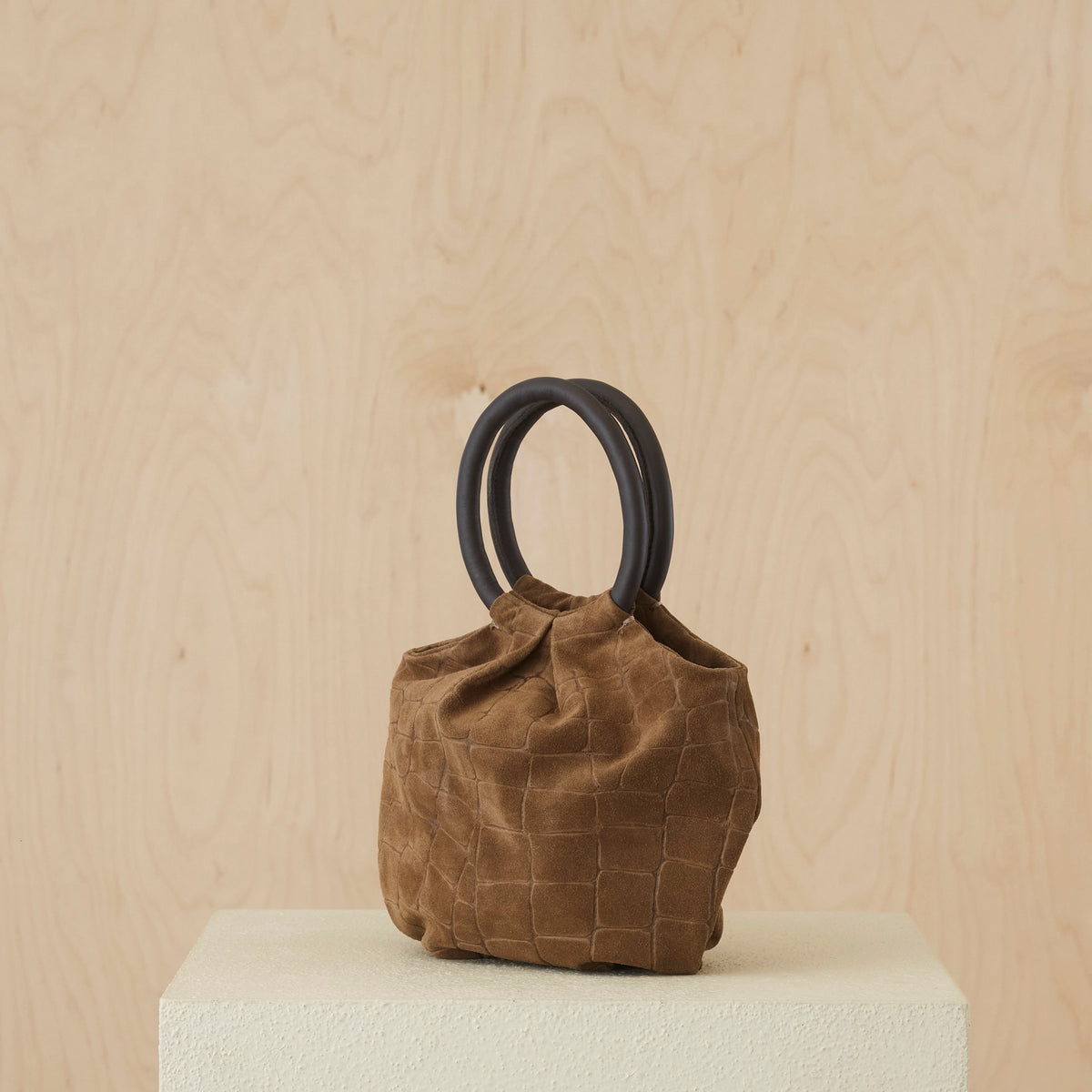
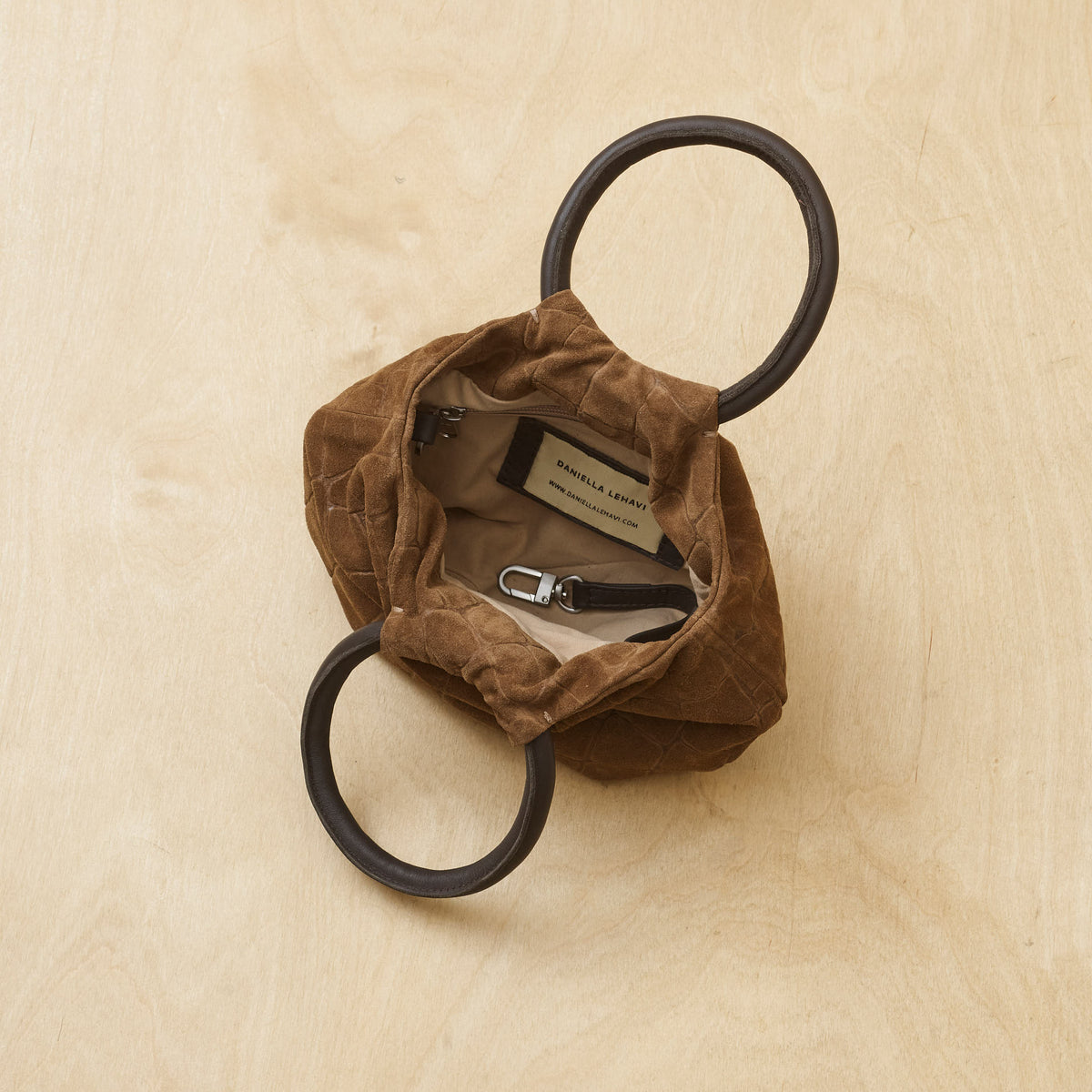
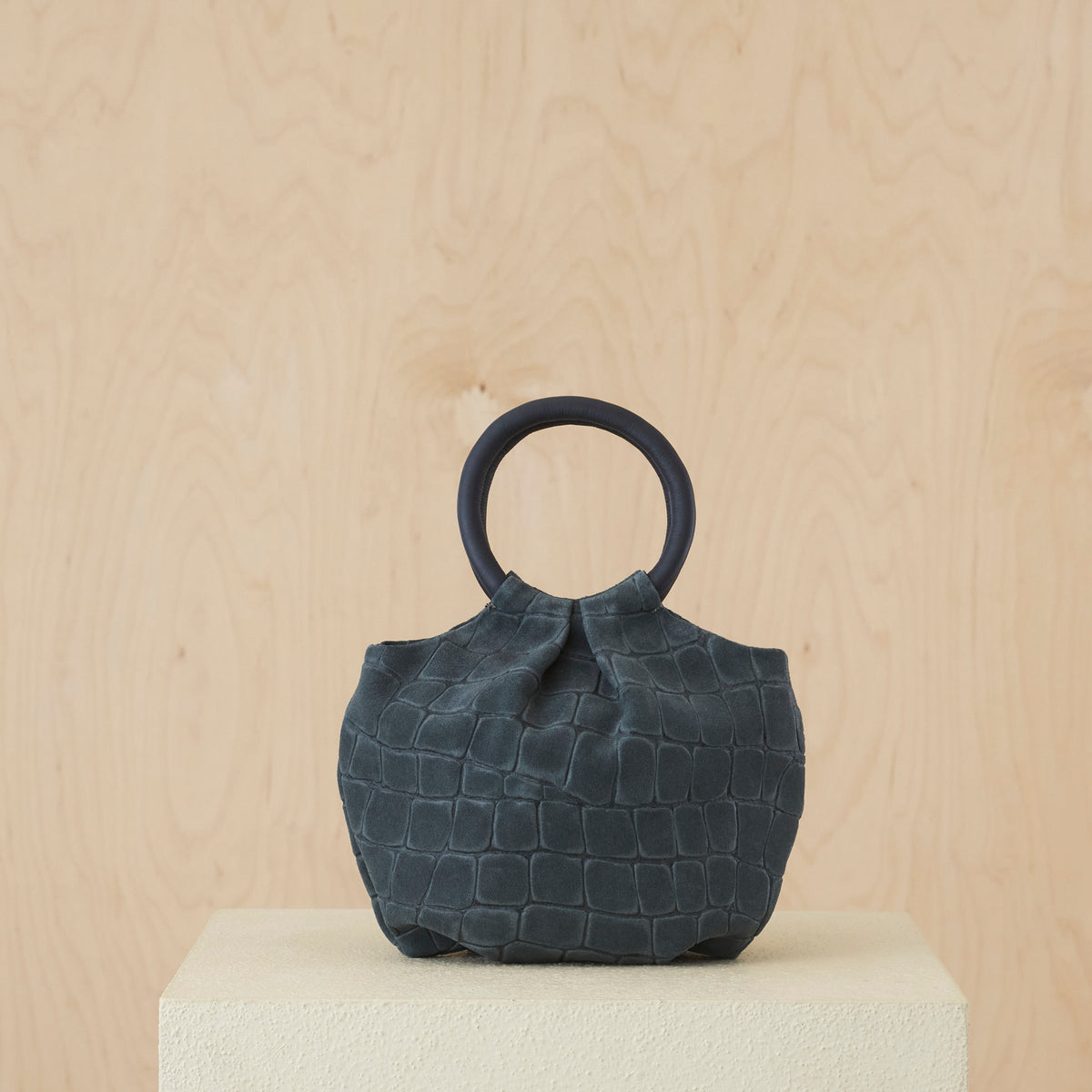
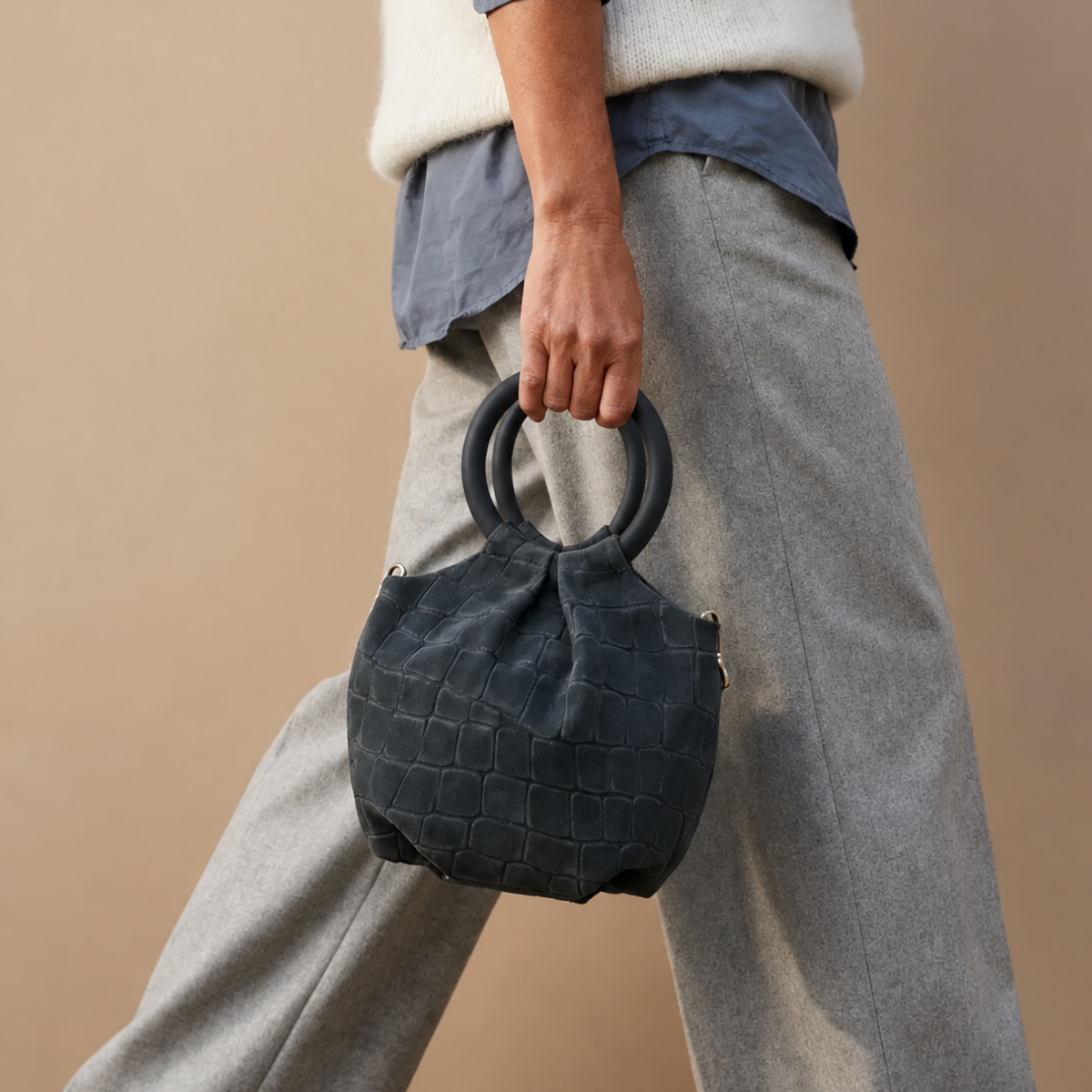
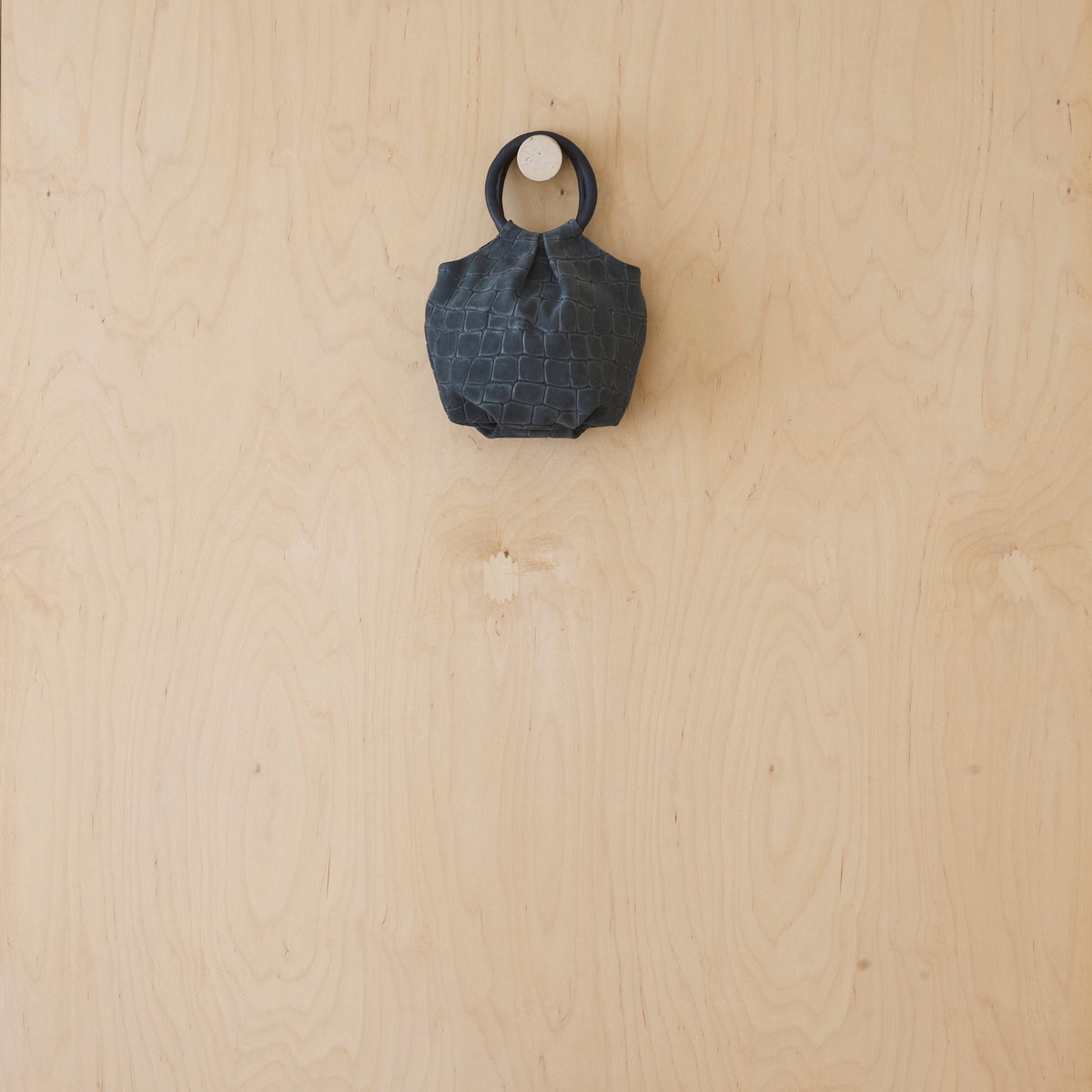
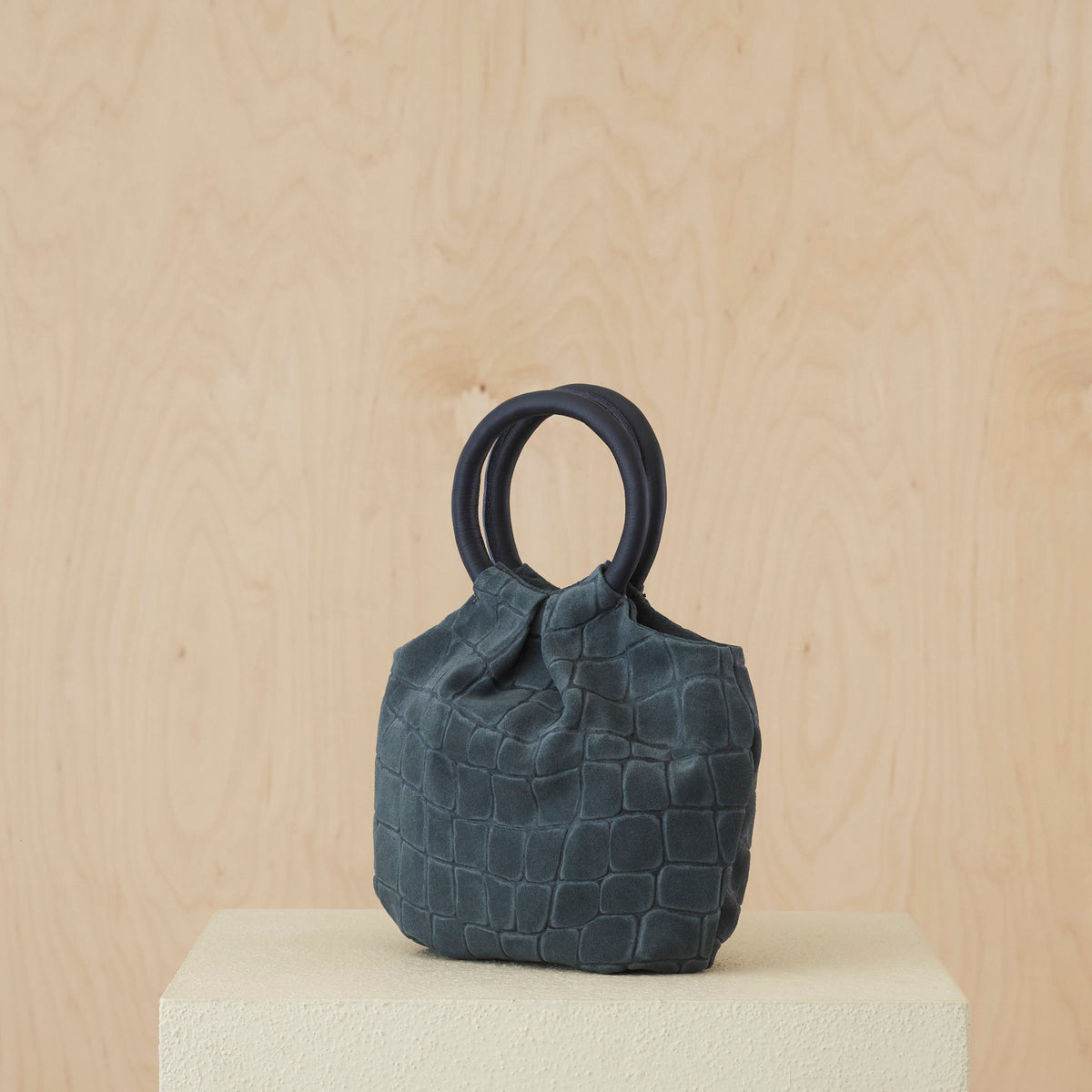
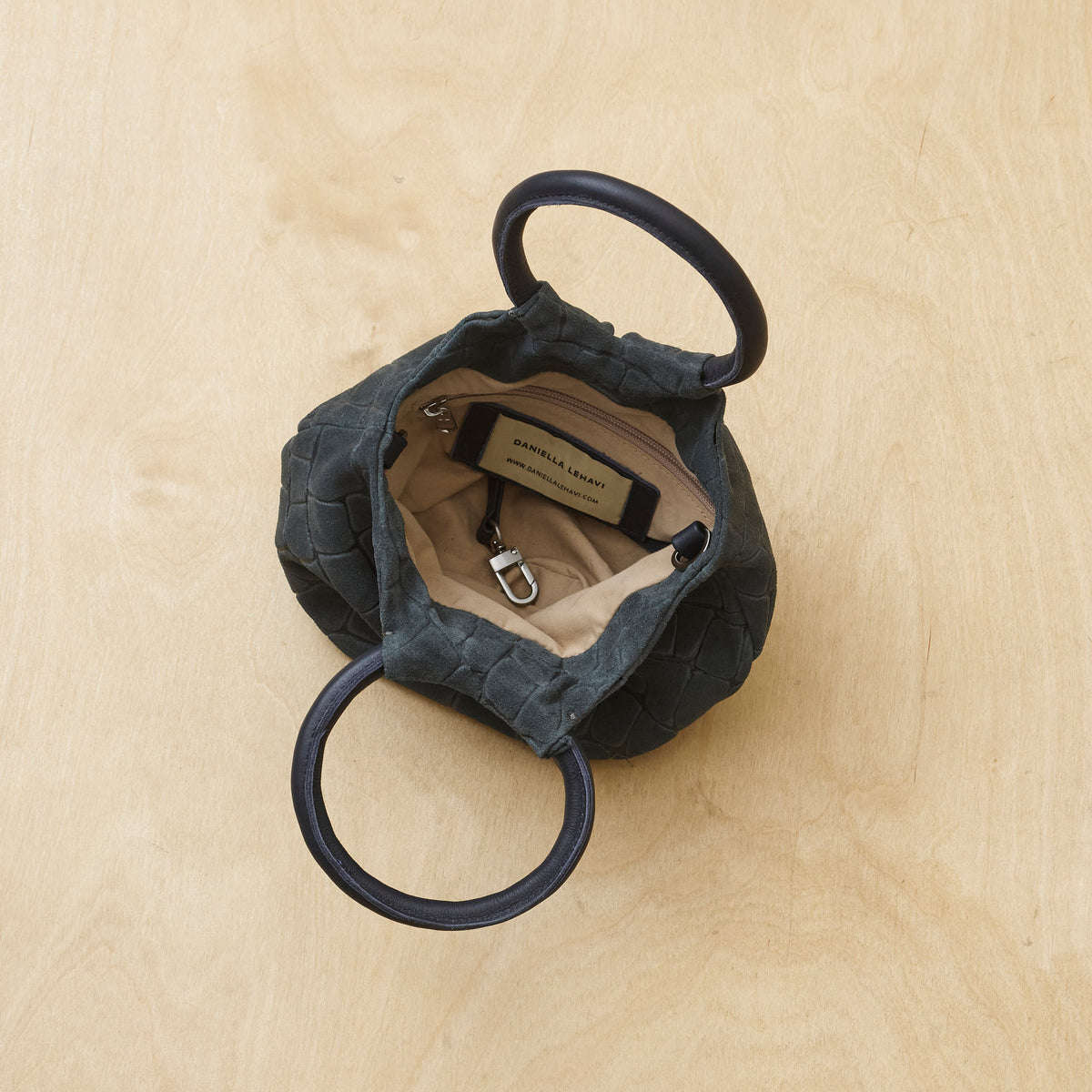
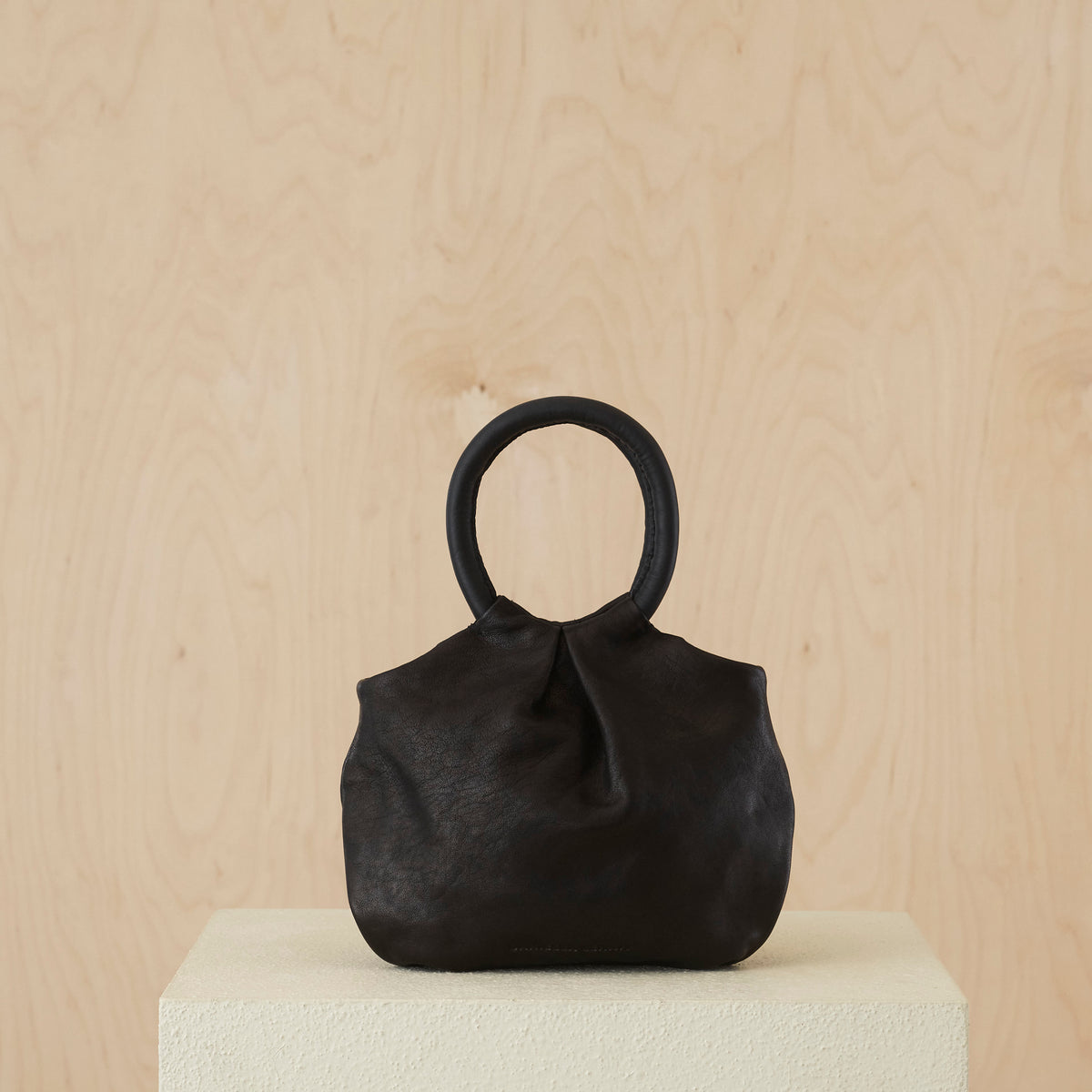
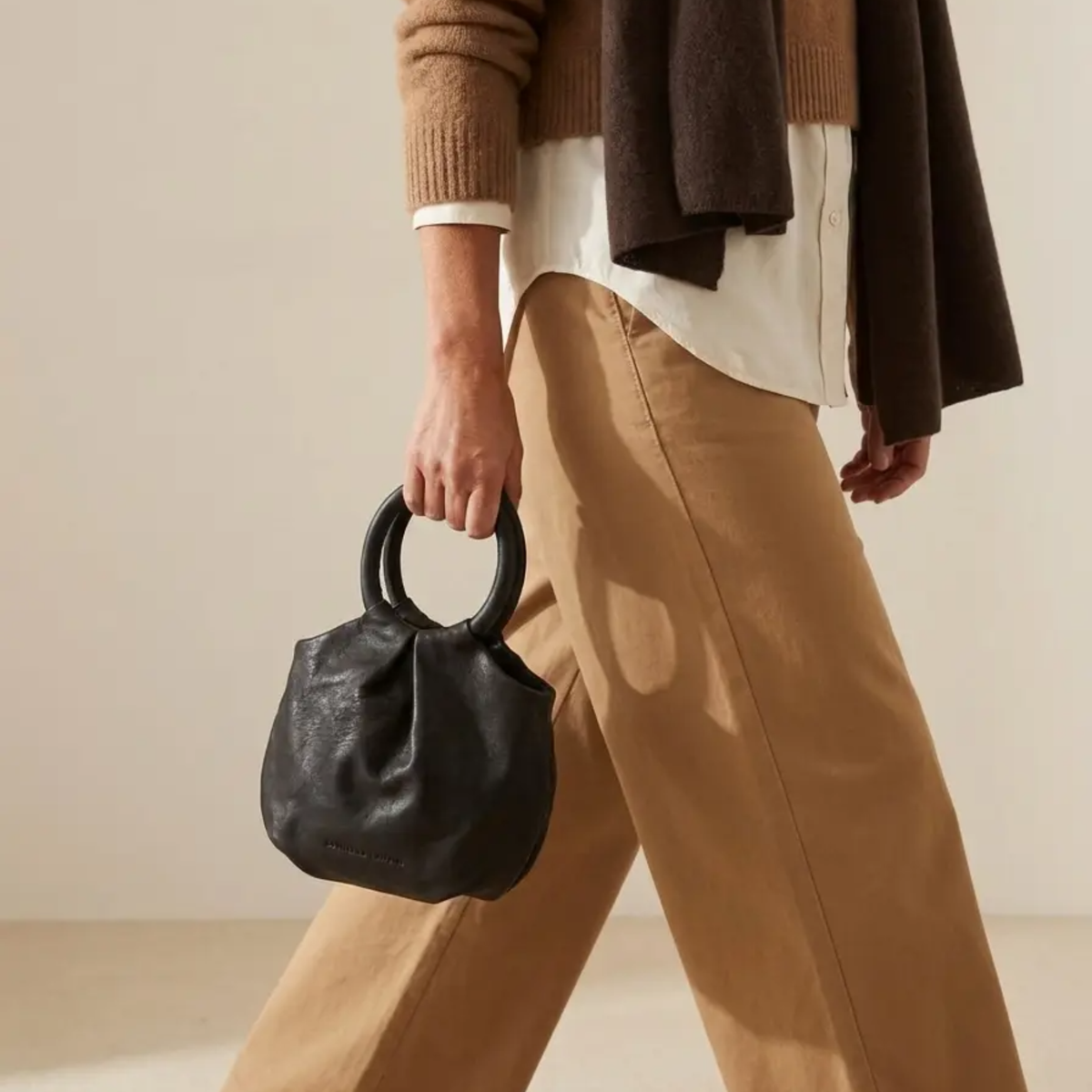
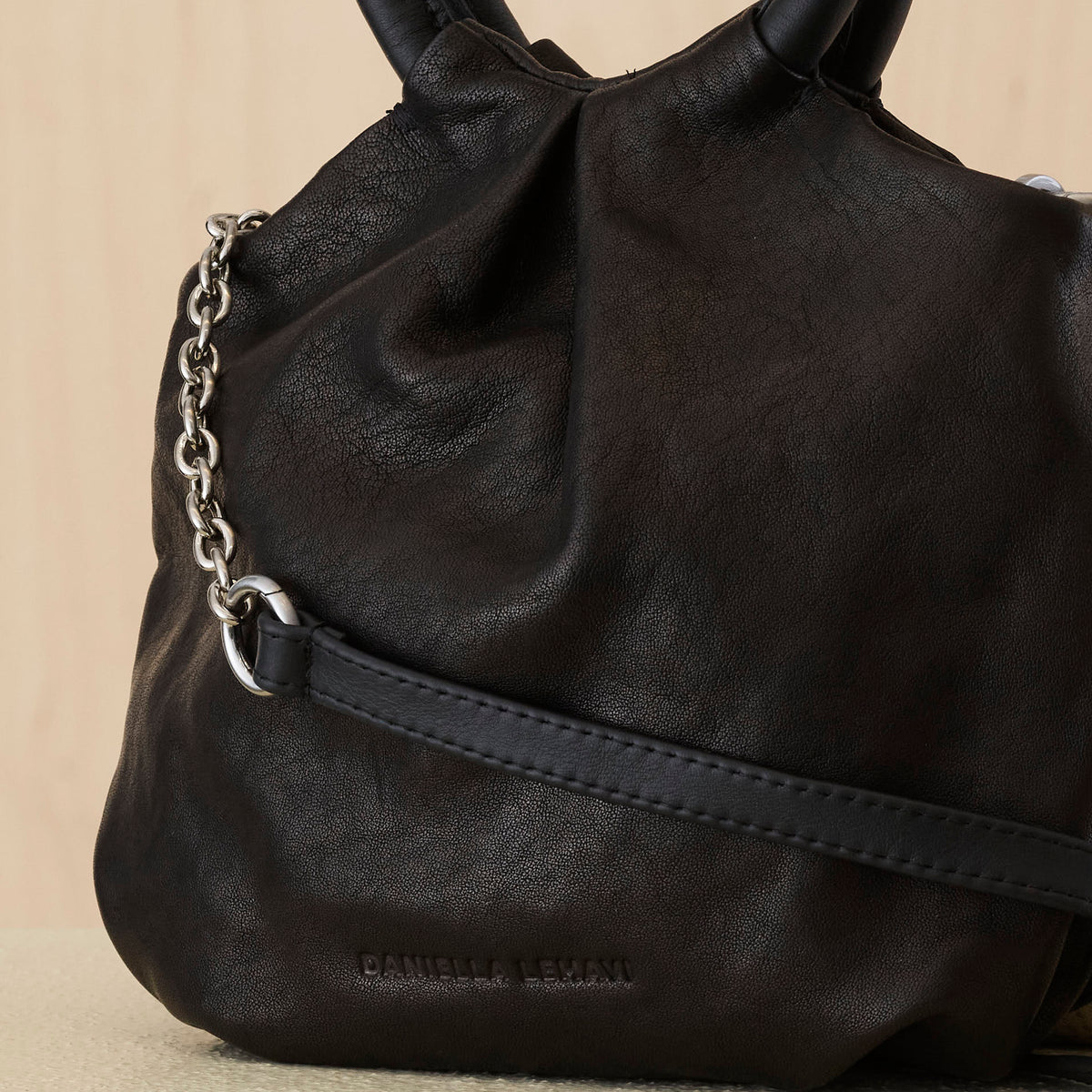
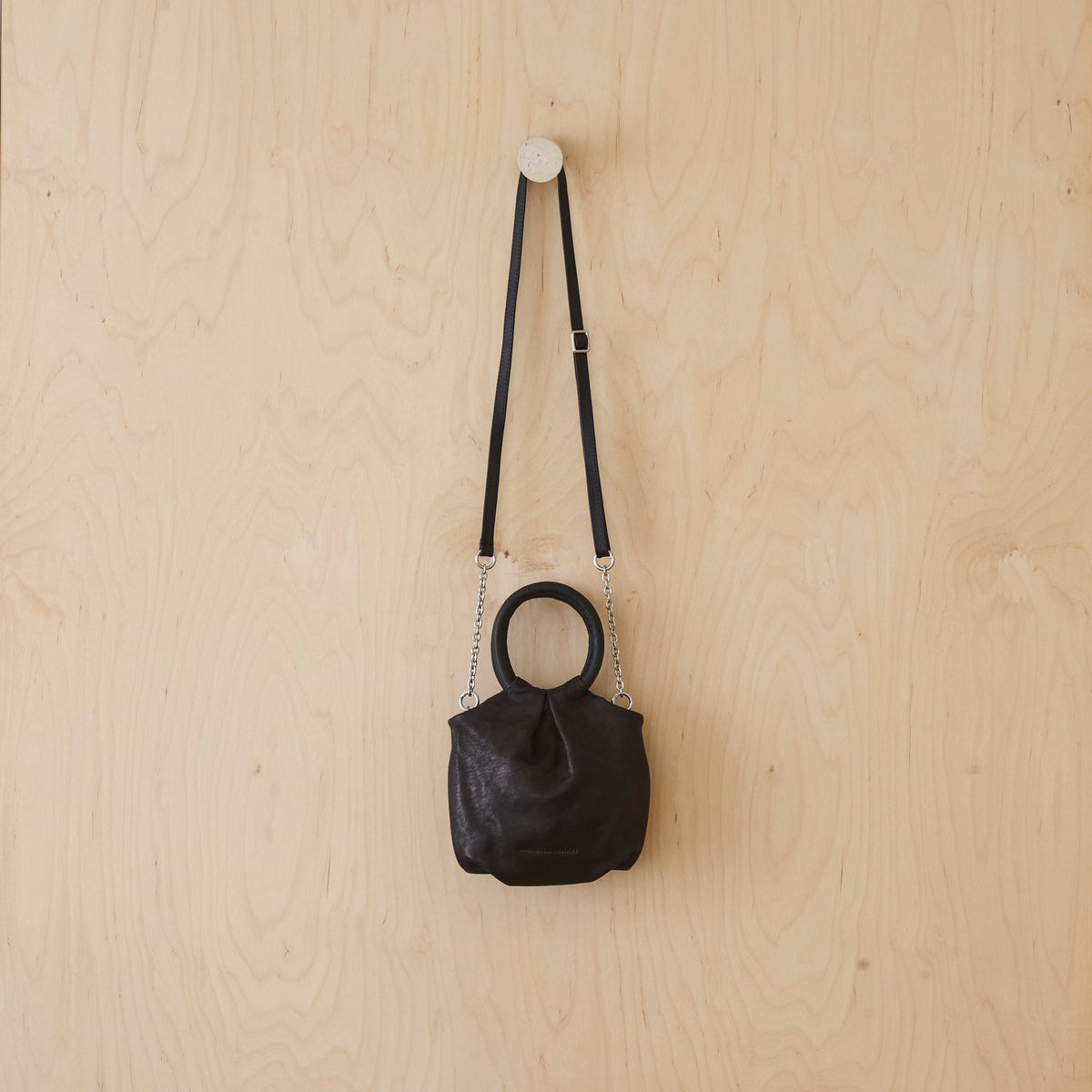
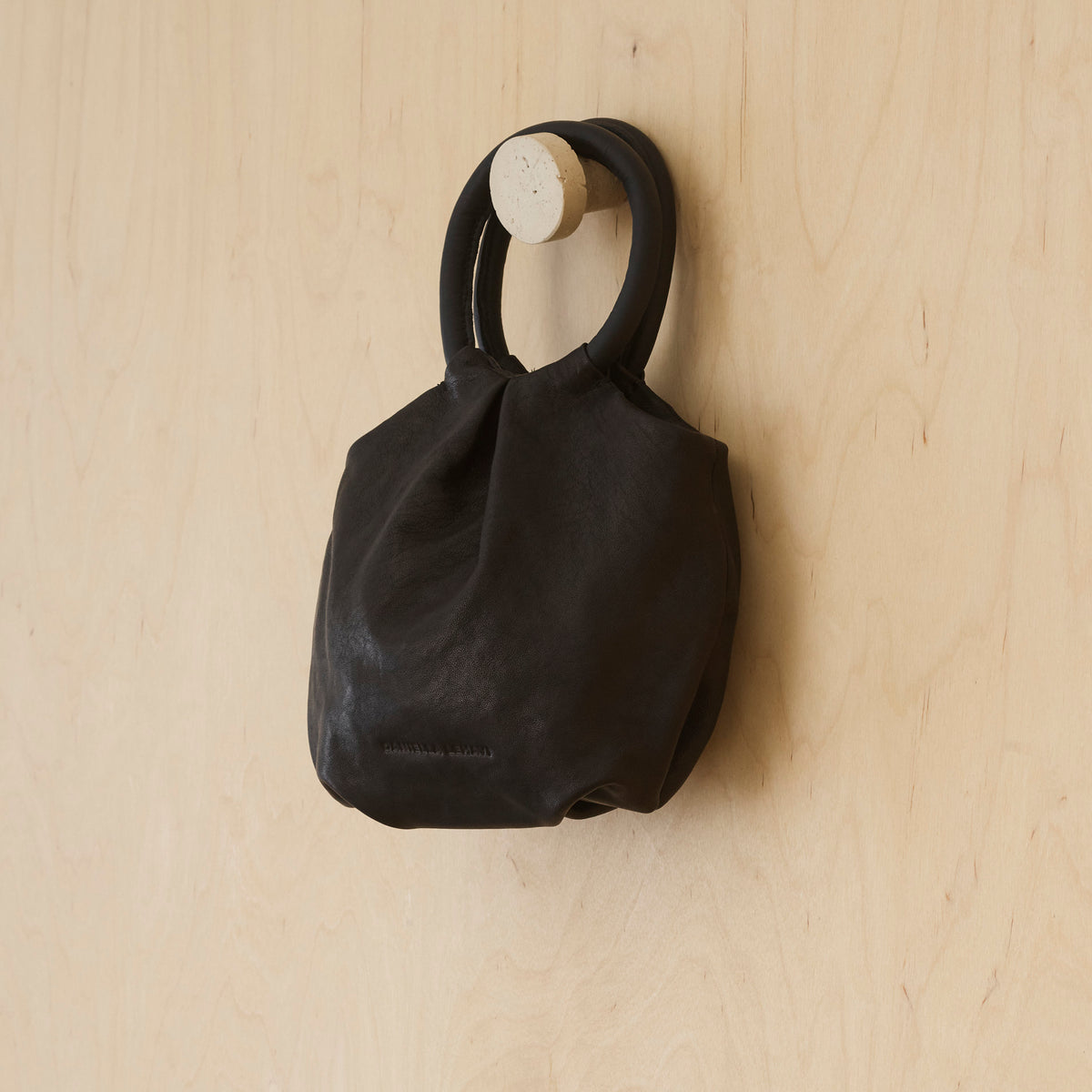
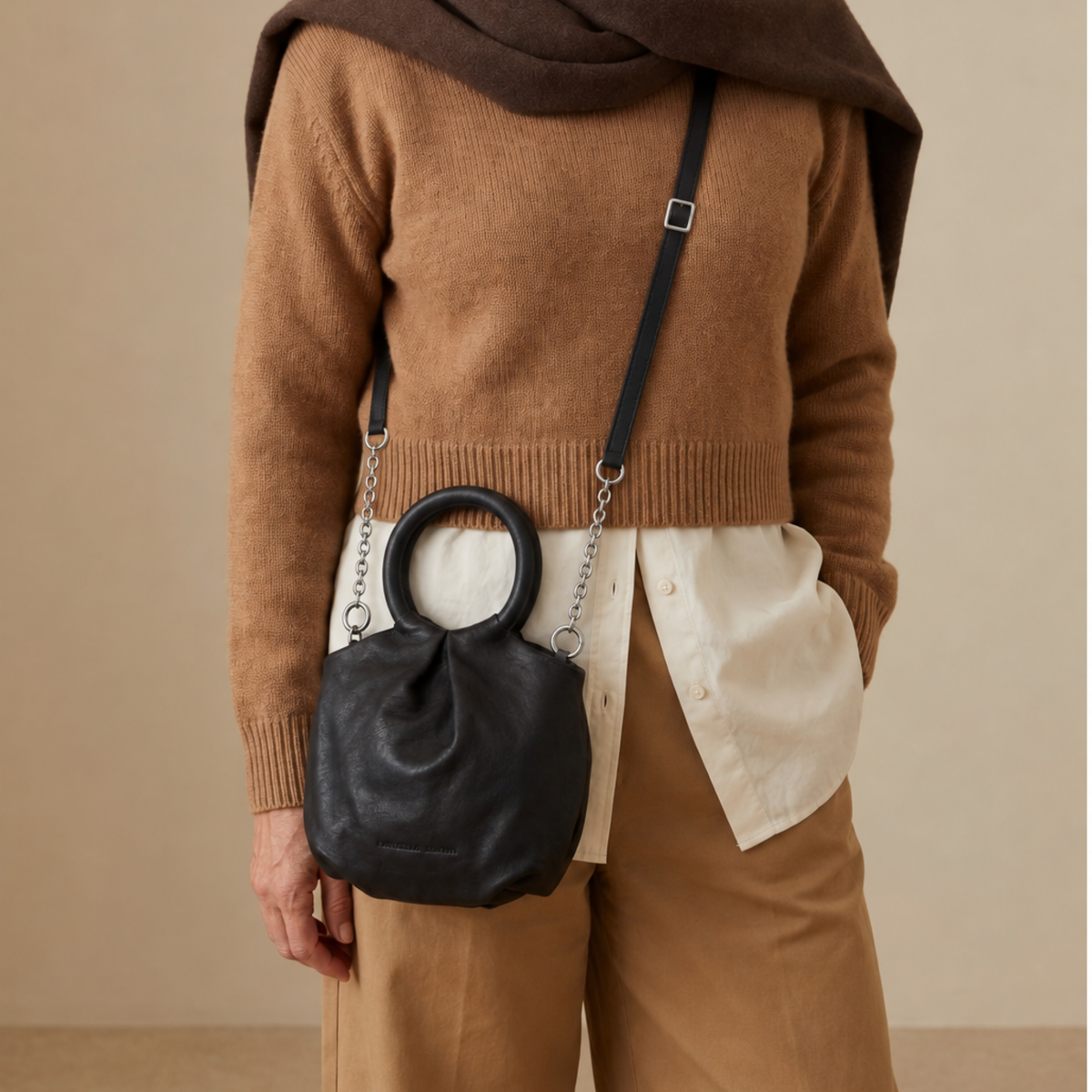
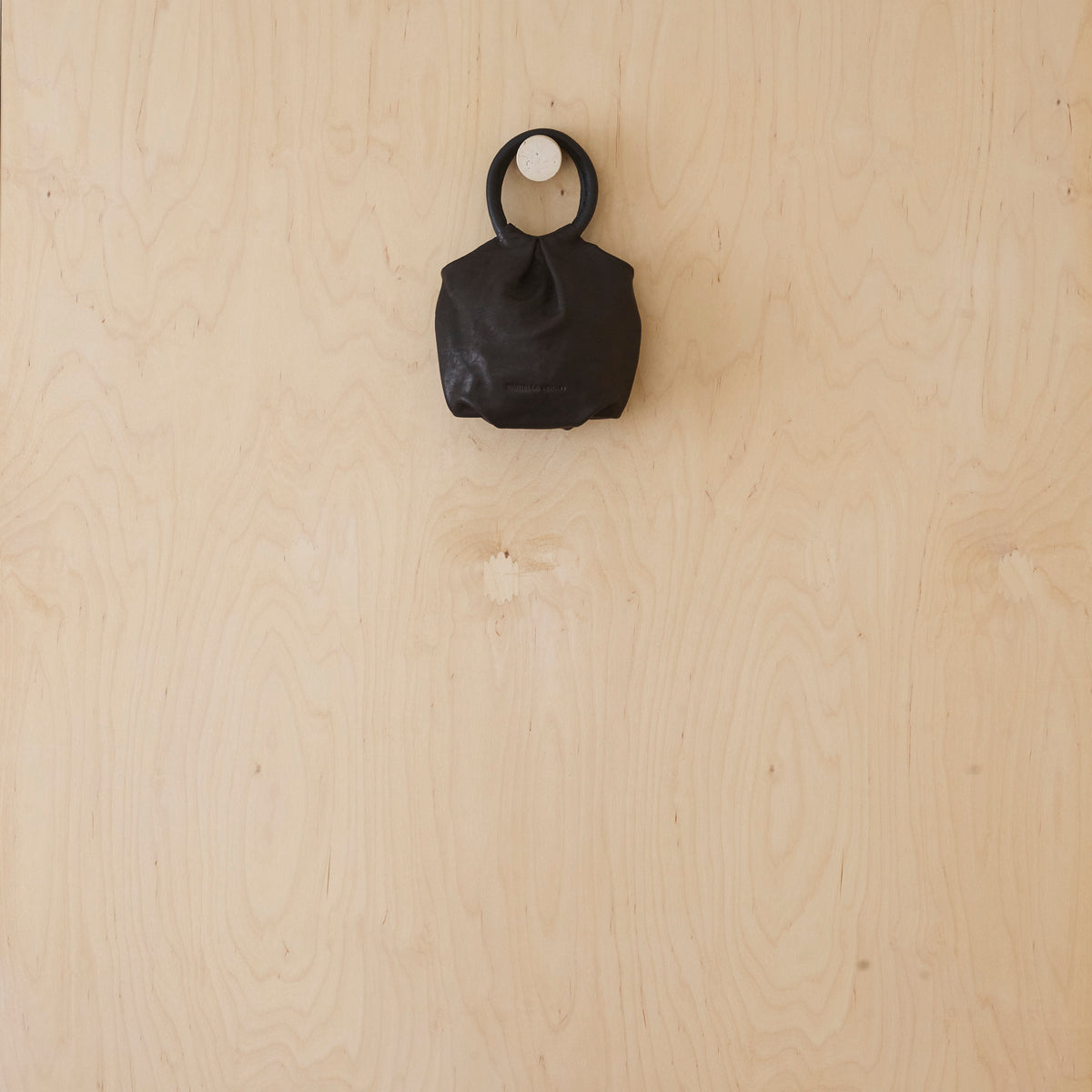
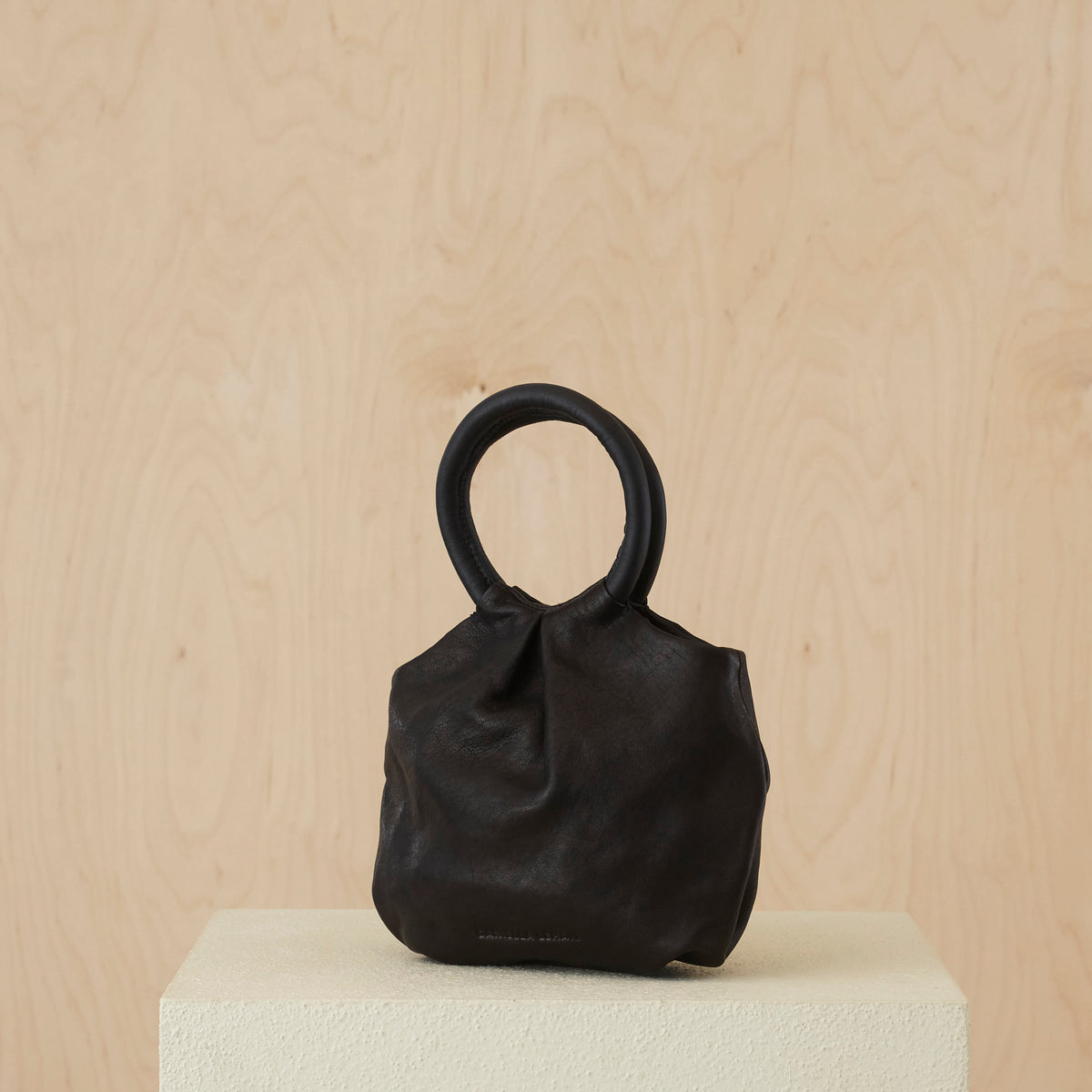
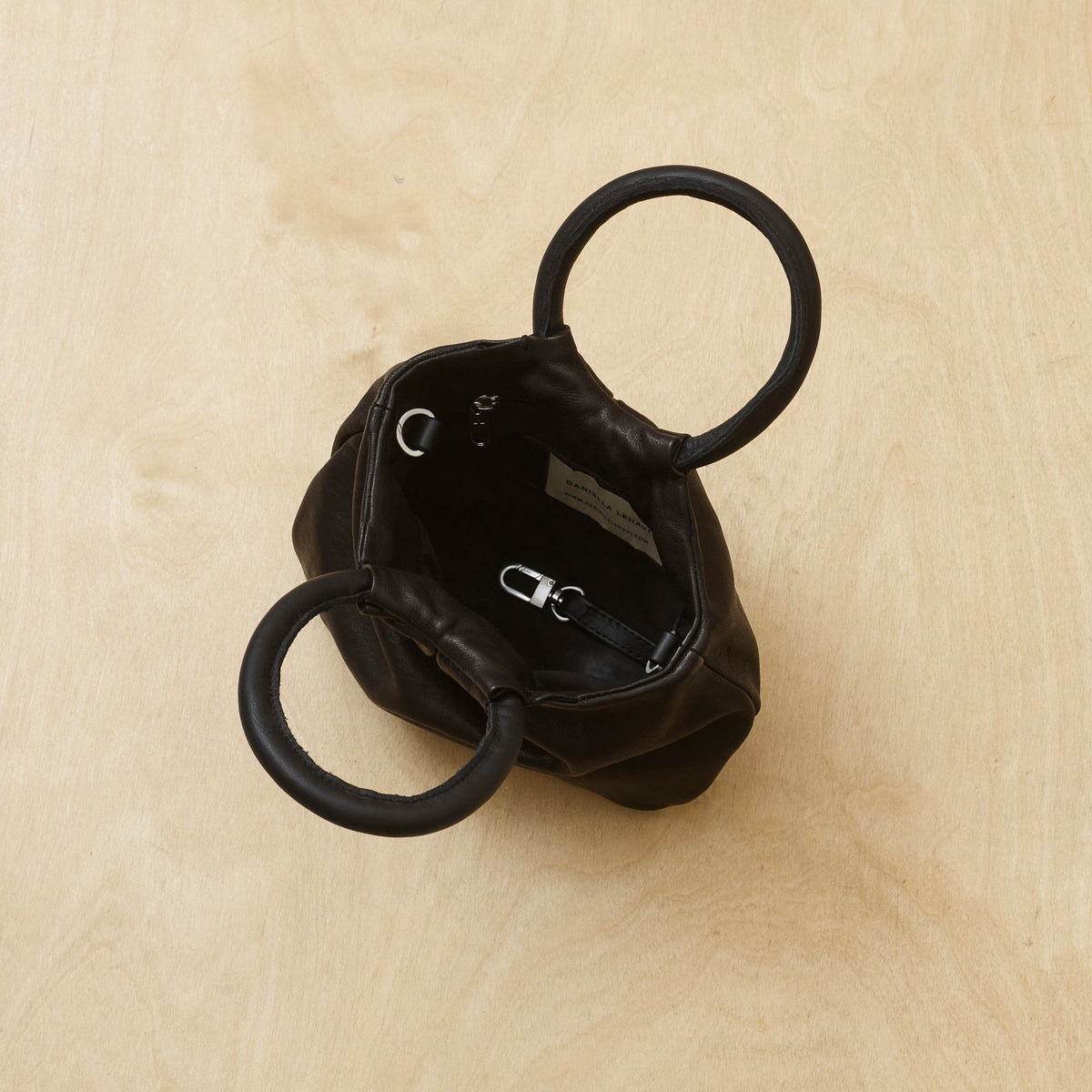
In the Ramat Aviv store and the Basel store, we will be holding intimate events for invitations only, which will feature the unique works of Talia Loveton, an industrial designer, jeweler, and leather craft artist.

Talia Lobton has been recognized in leading exhibitions in Israel and internationally and is considered one of the pioneering designers in her field. In her creative process, she deeply explores the tension and harmony between materials, techniques, and contrasting and complementary qualities. Combining traditional hand skills with innovative thinking and advanced technology, her works are characterized by exceptional meticulousness, attention to detail, and the highest level of aesthetic standards.

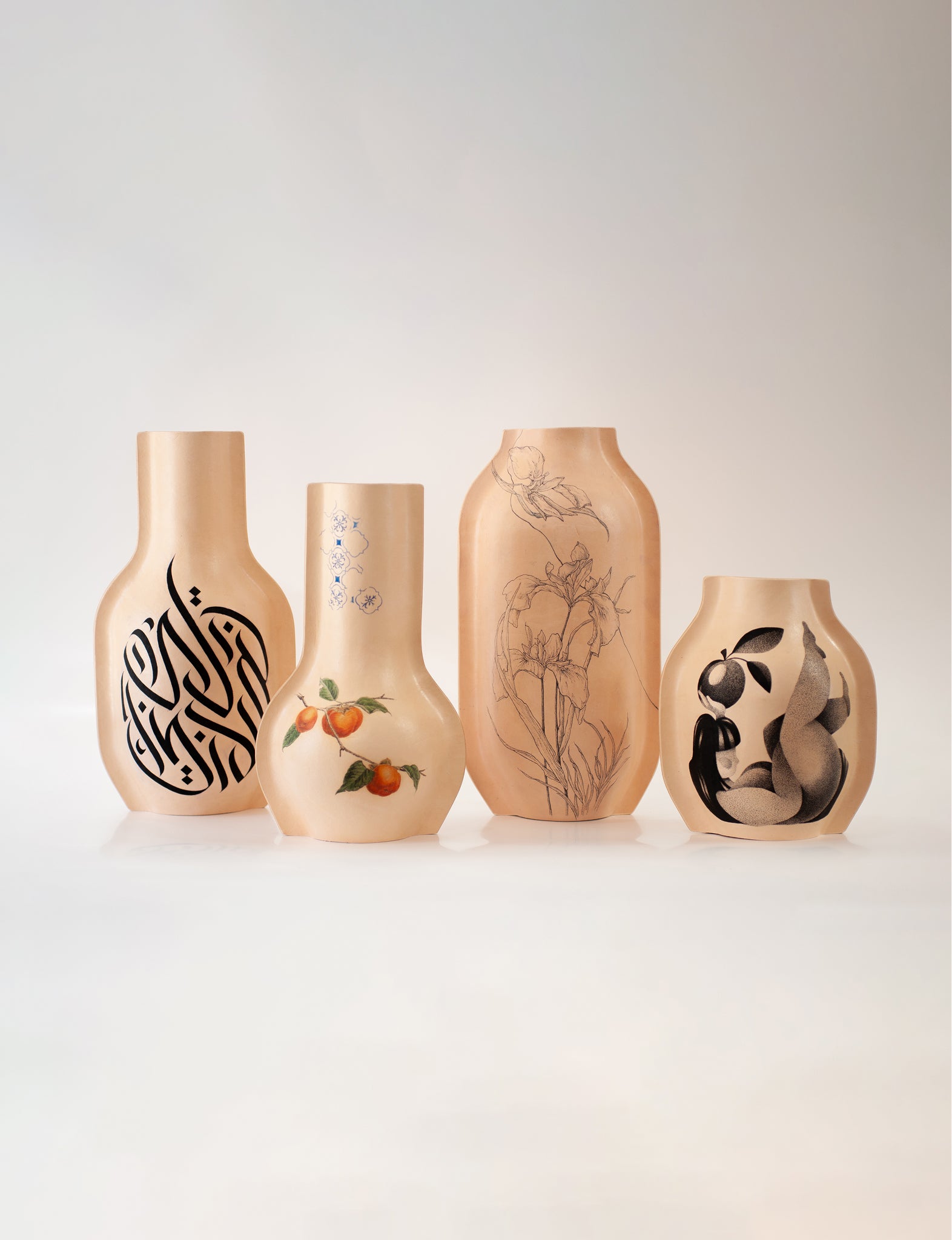
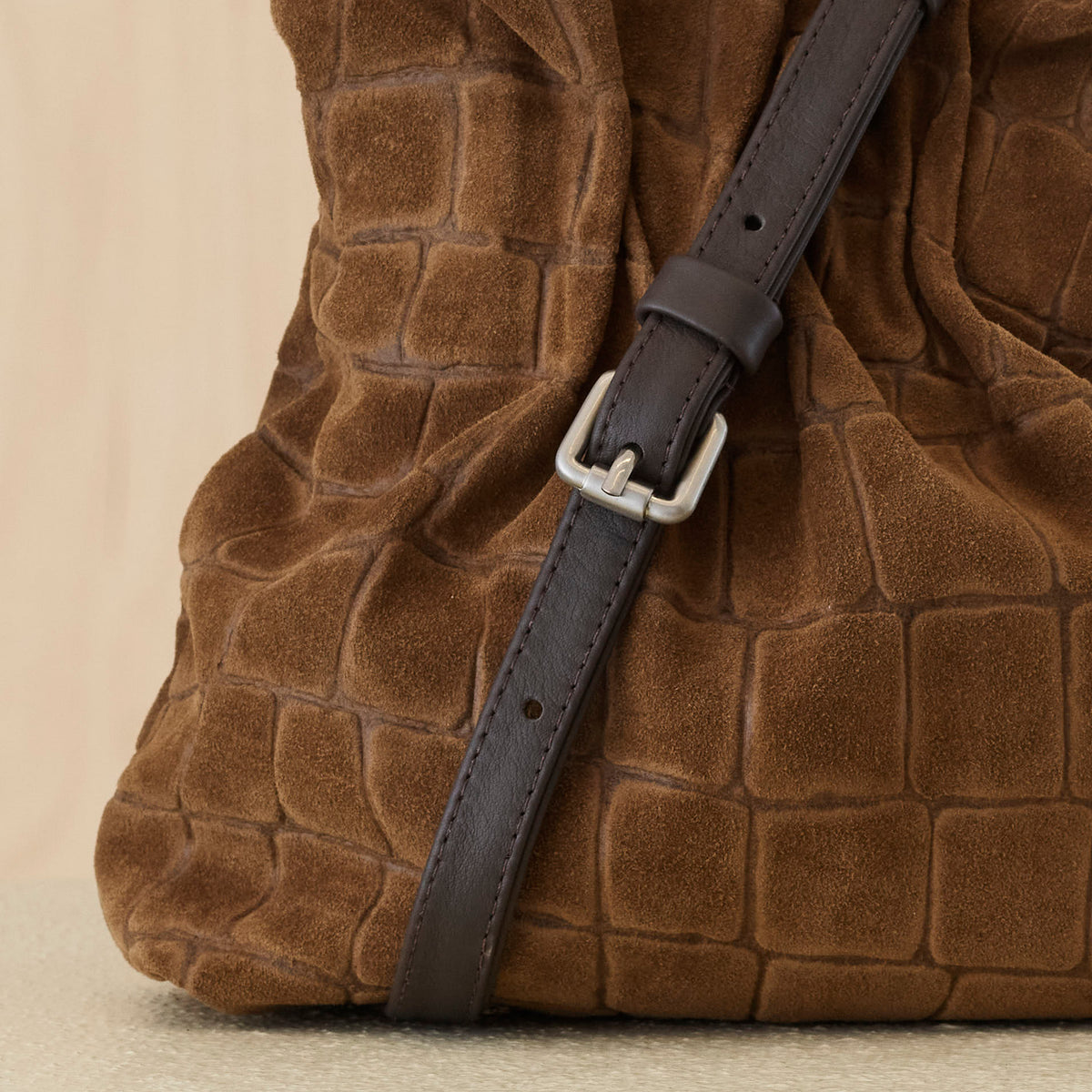
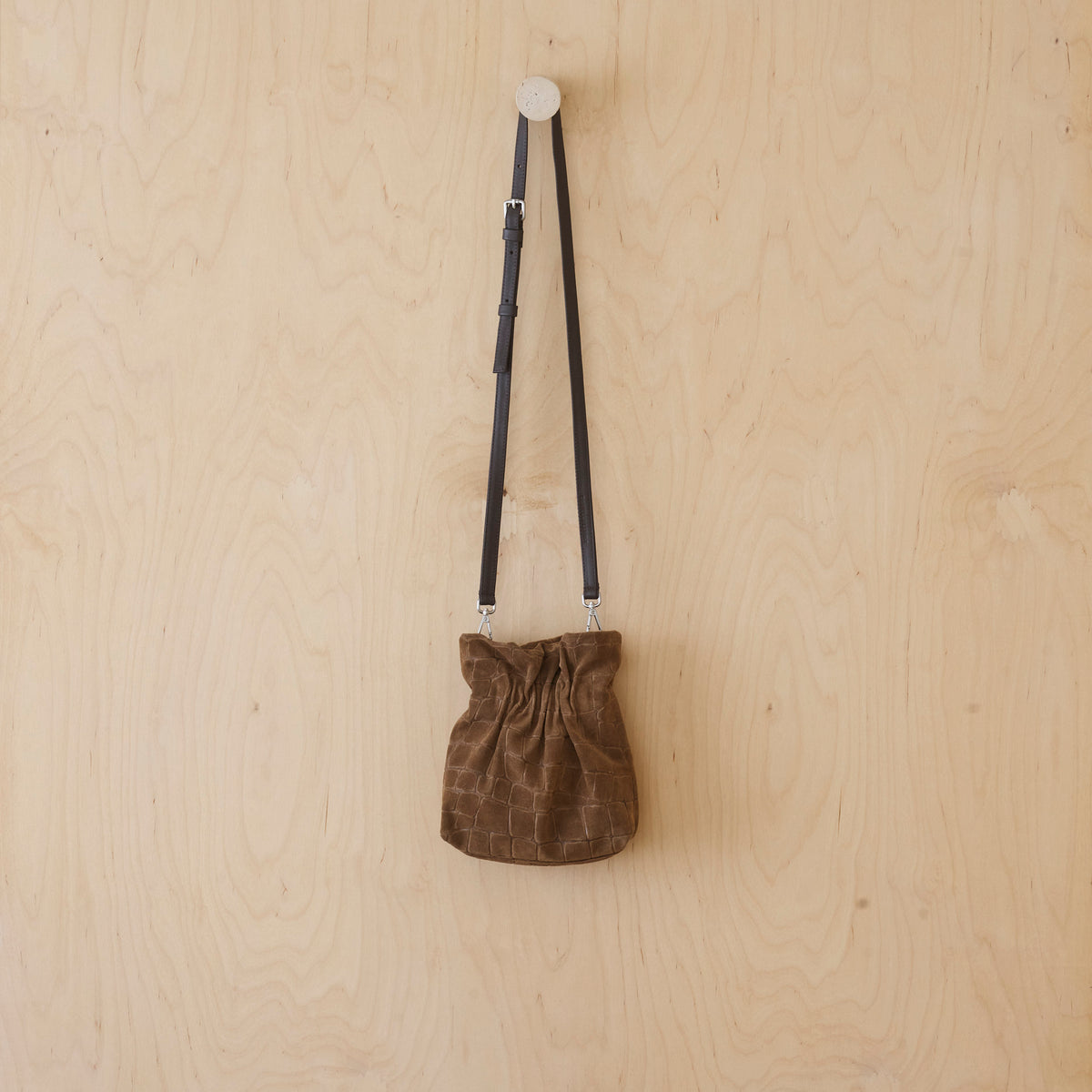
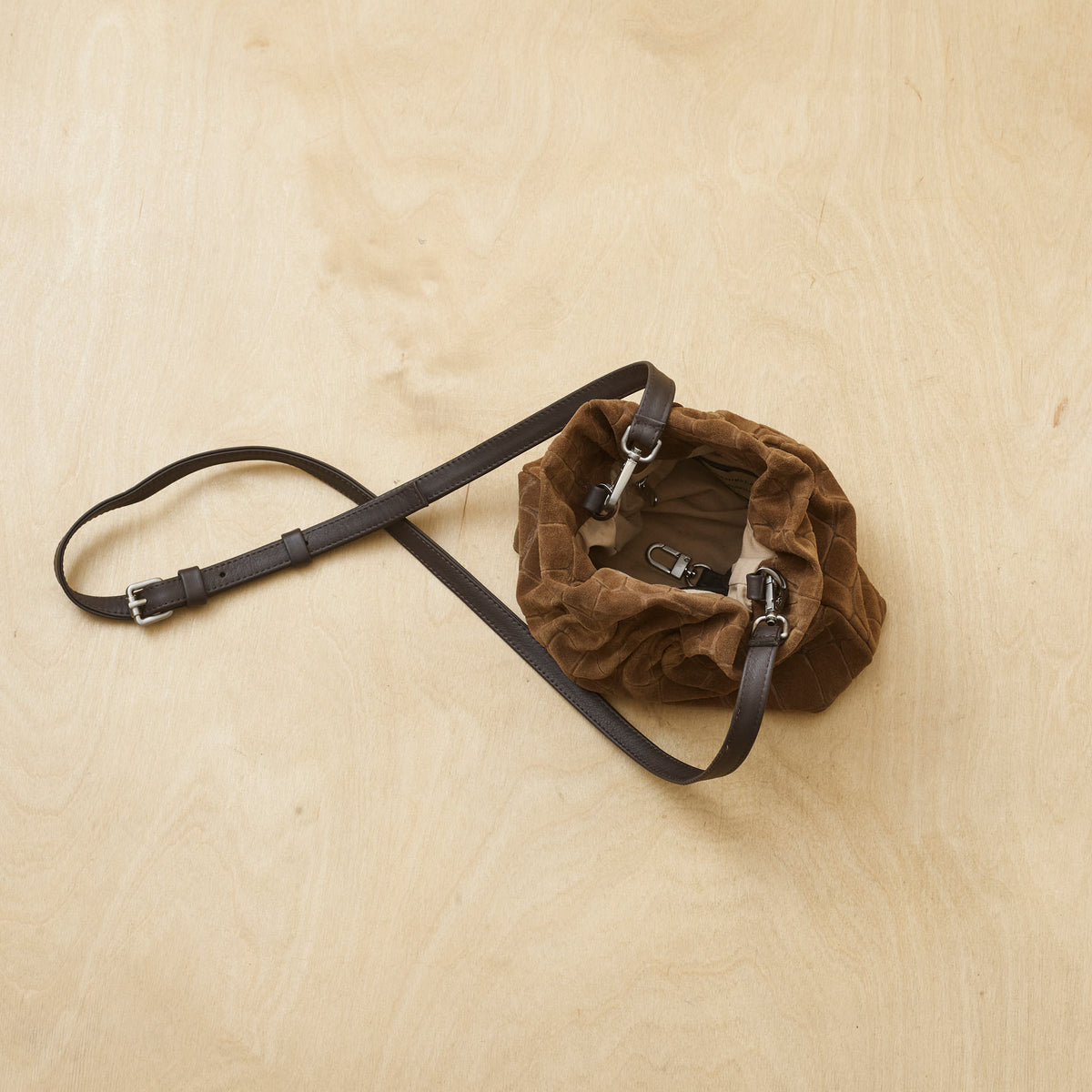
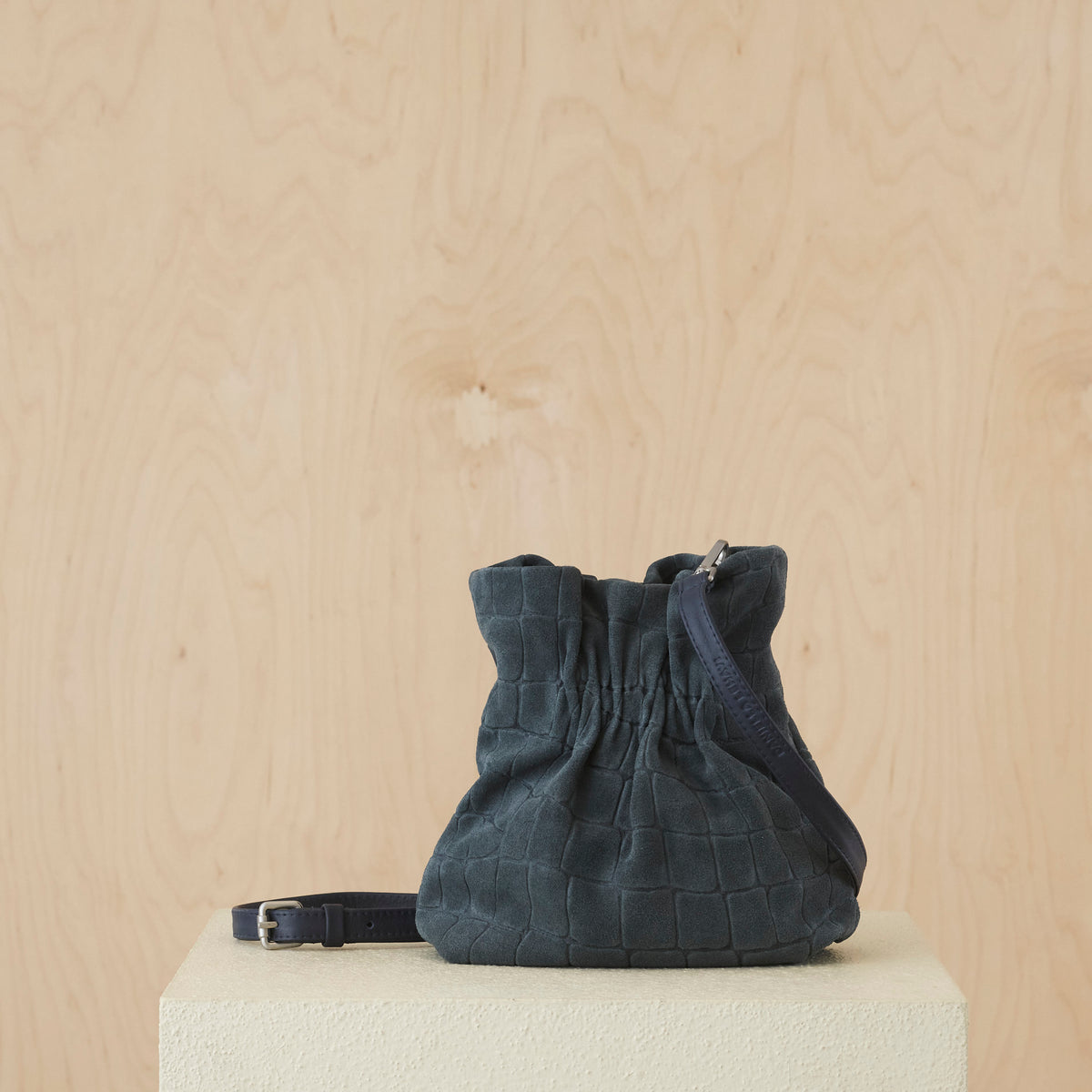
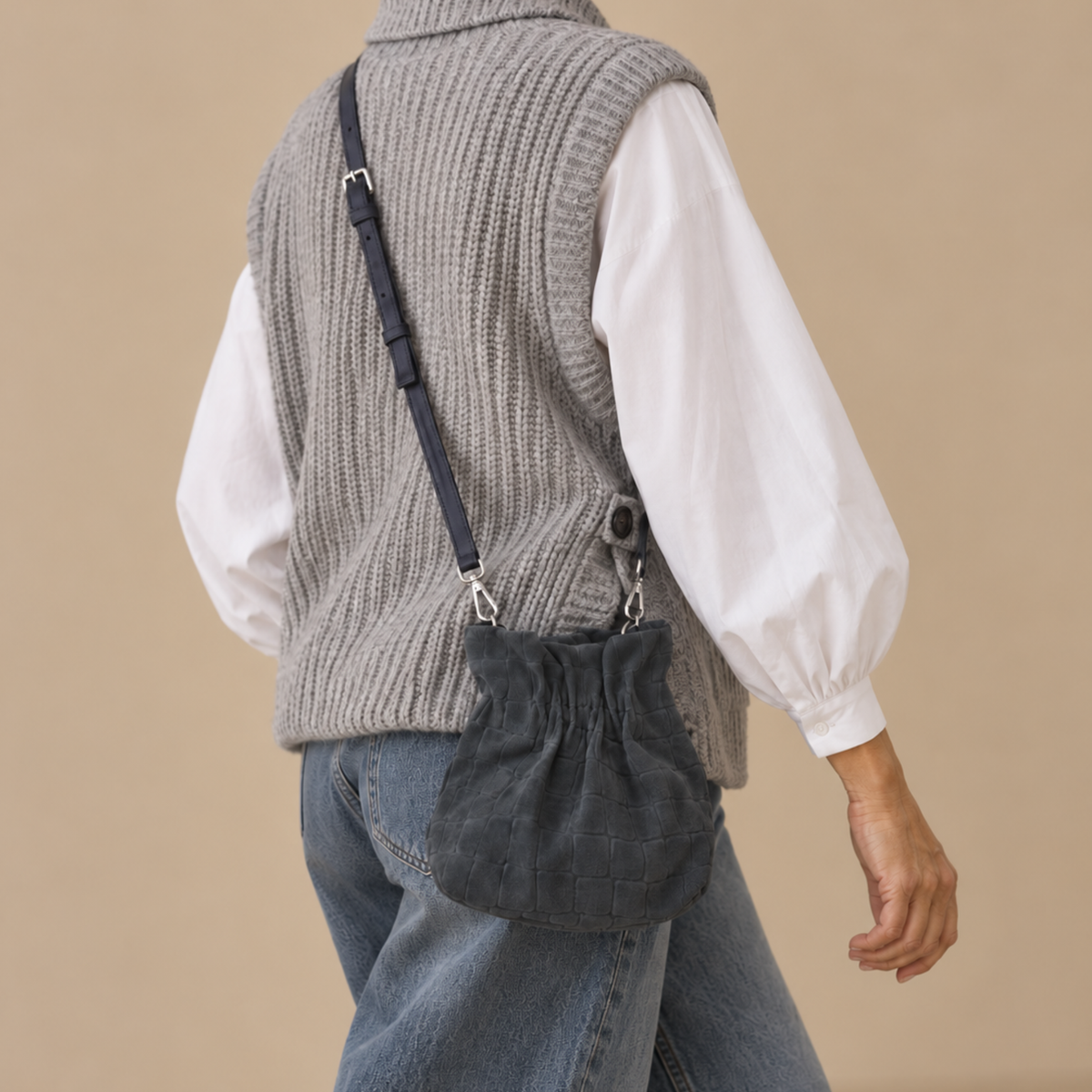
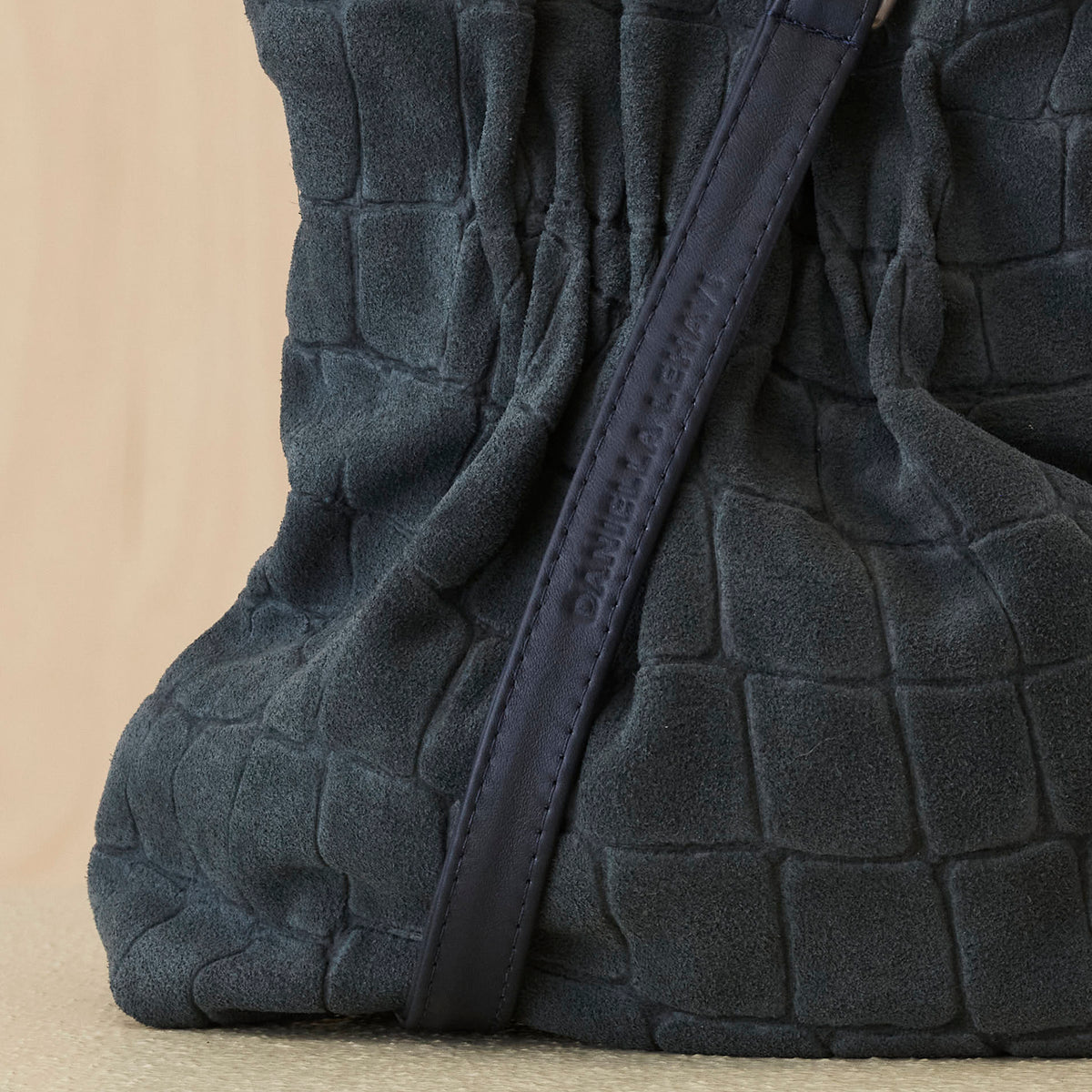
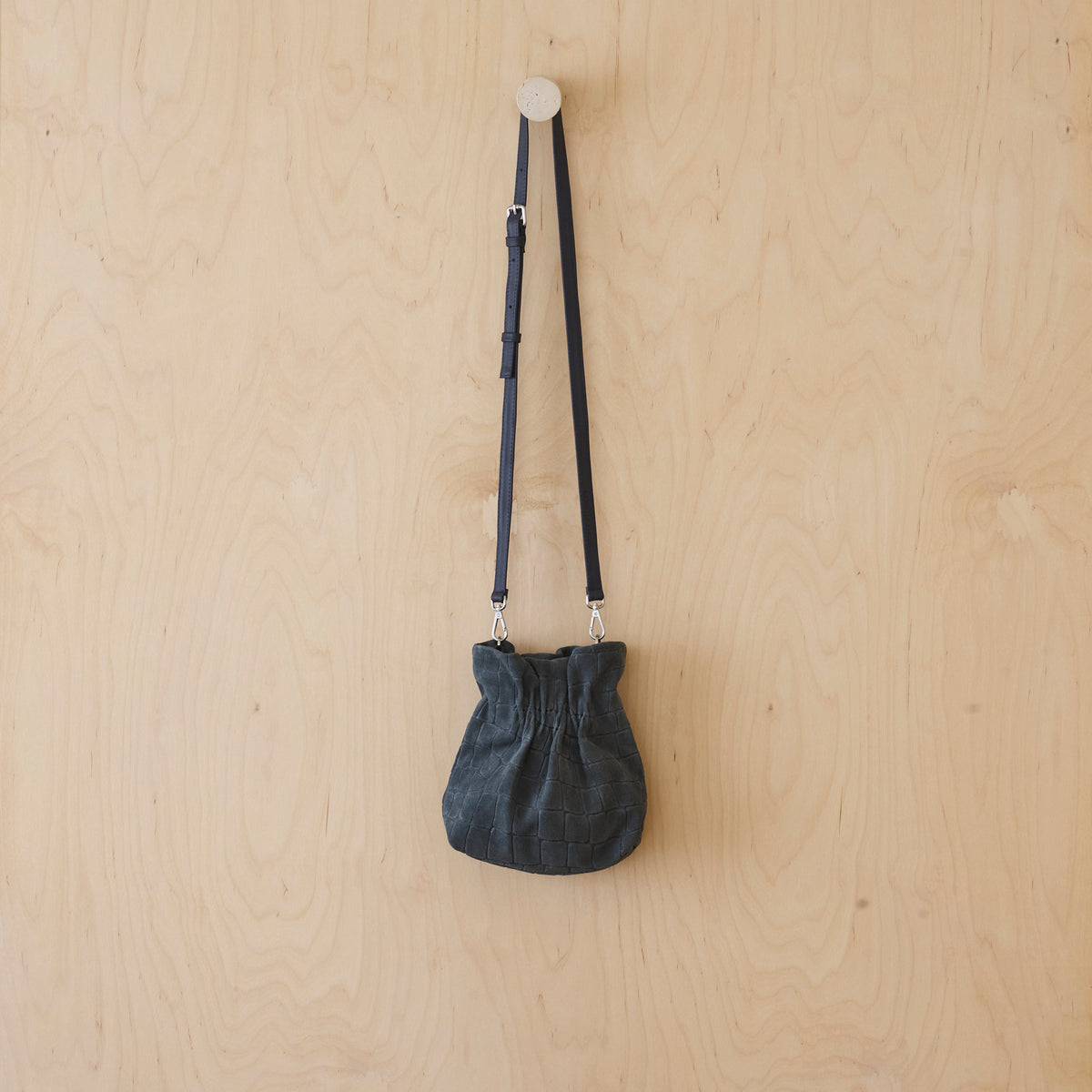
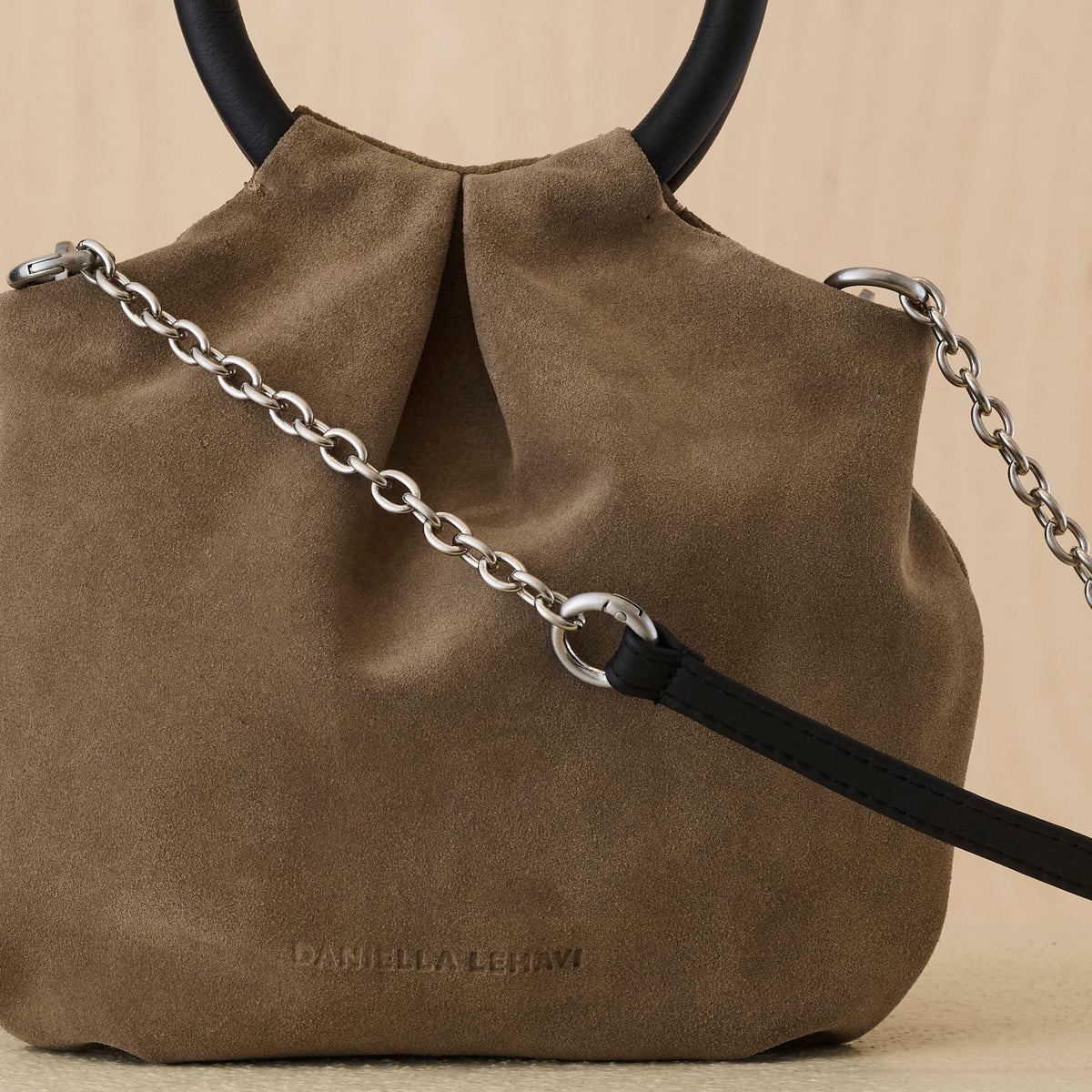
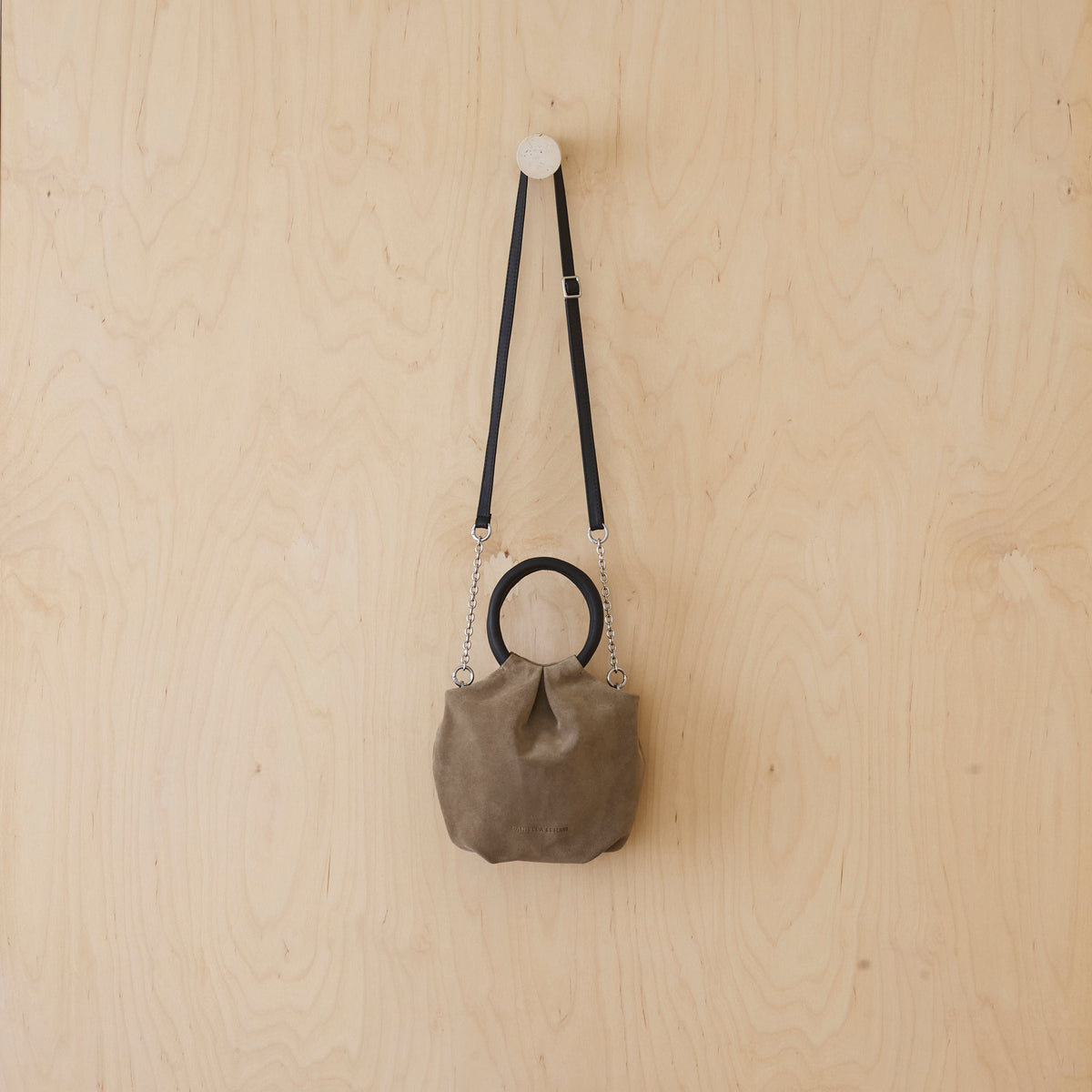
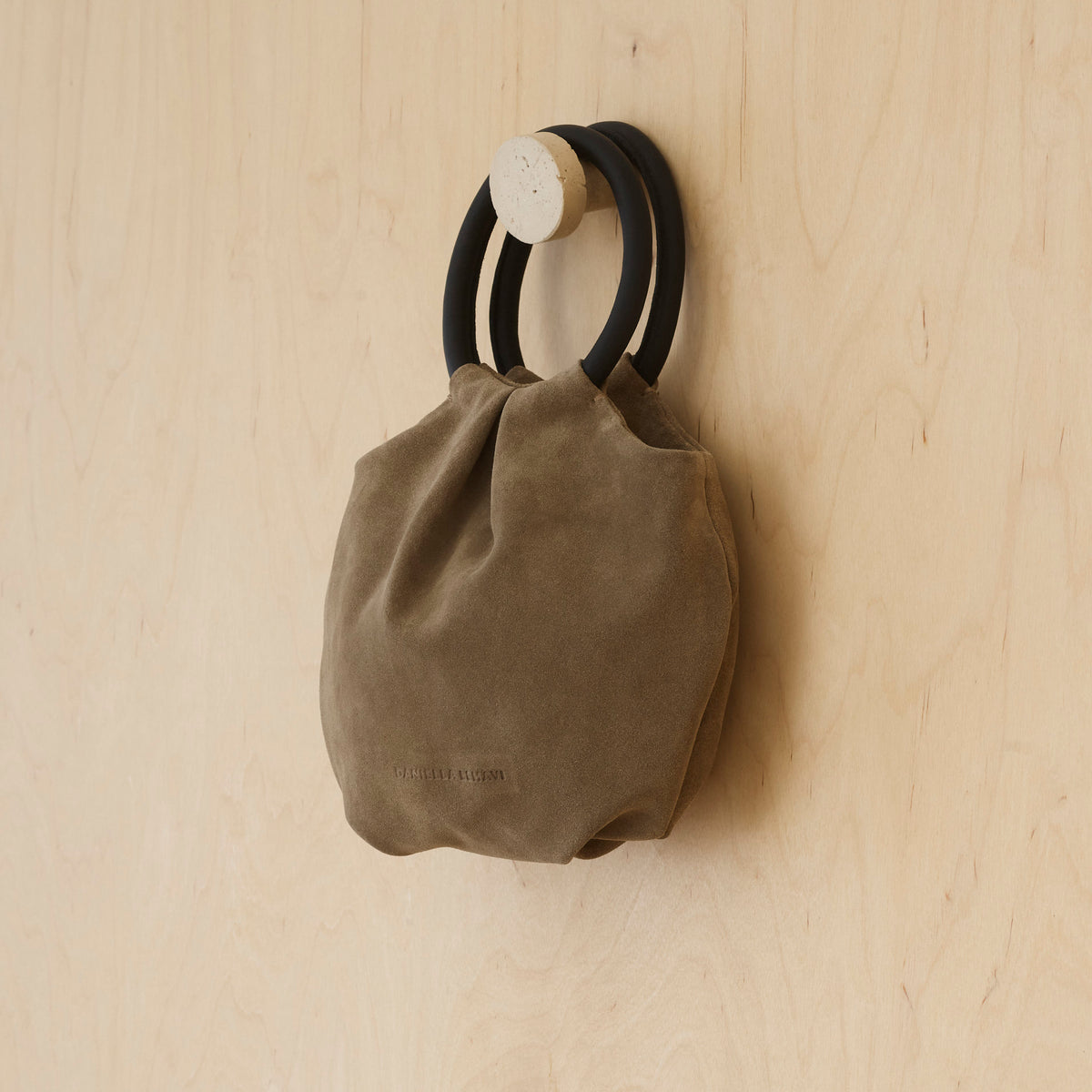
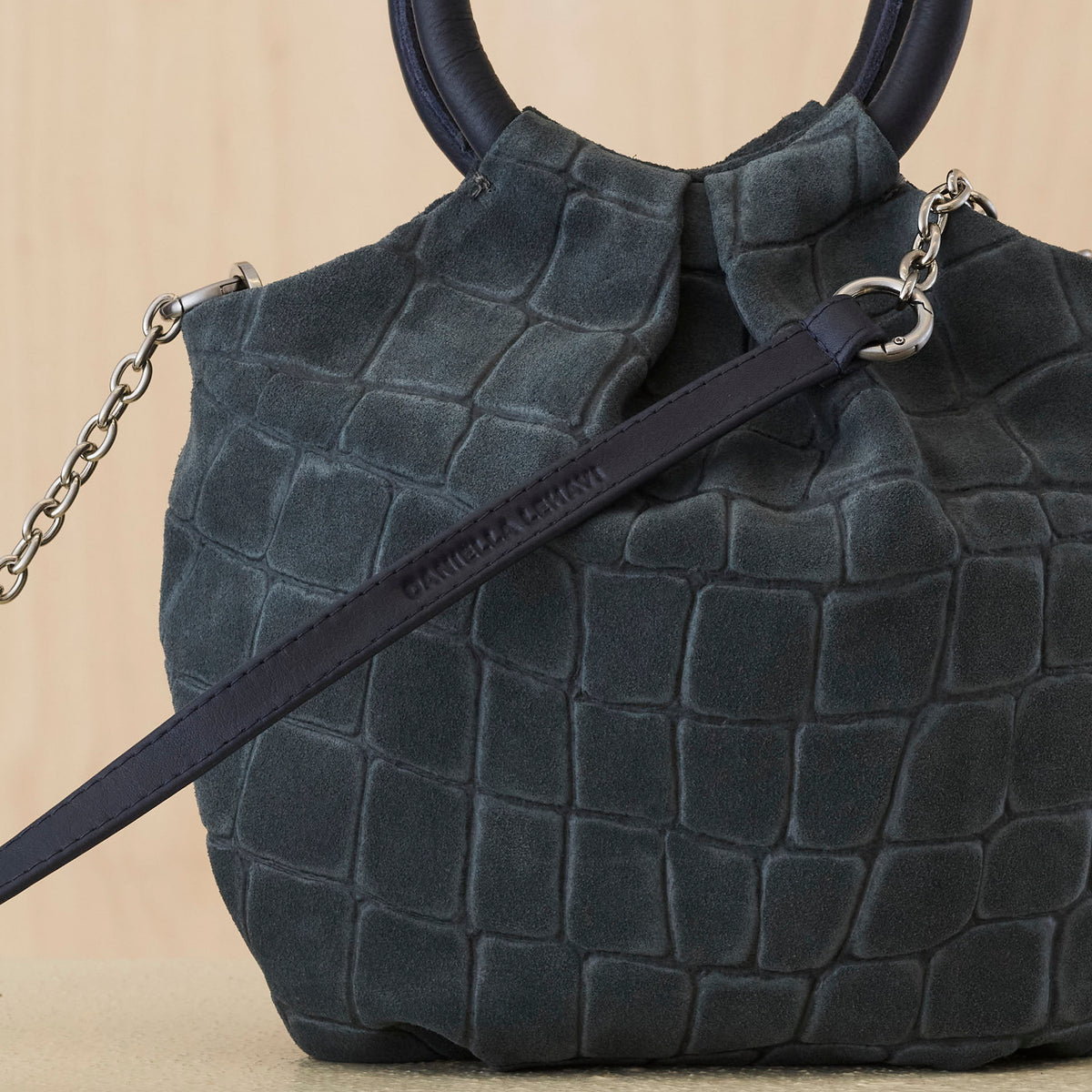
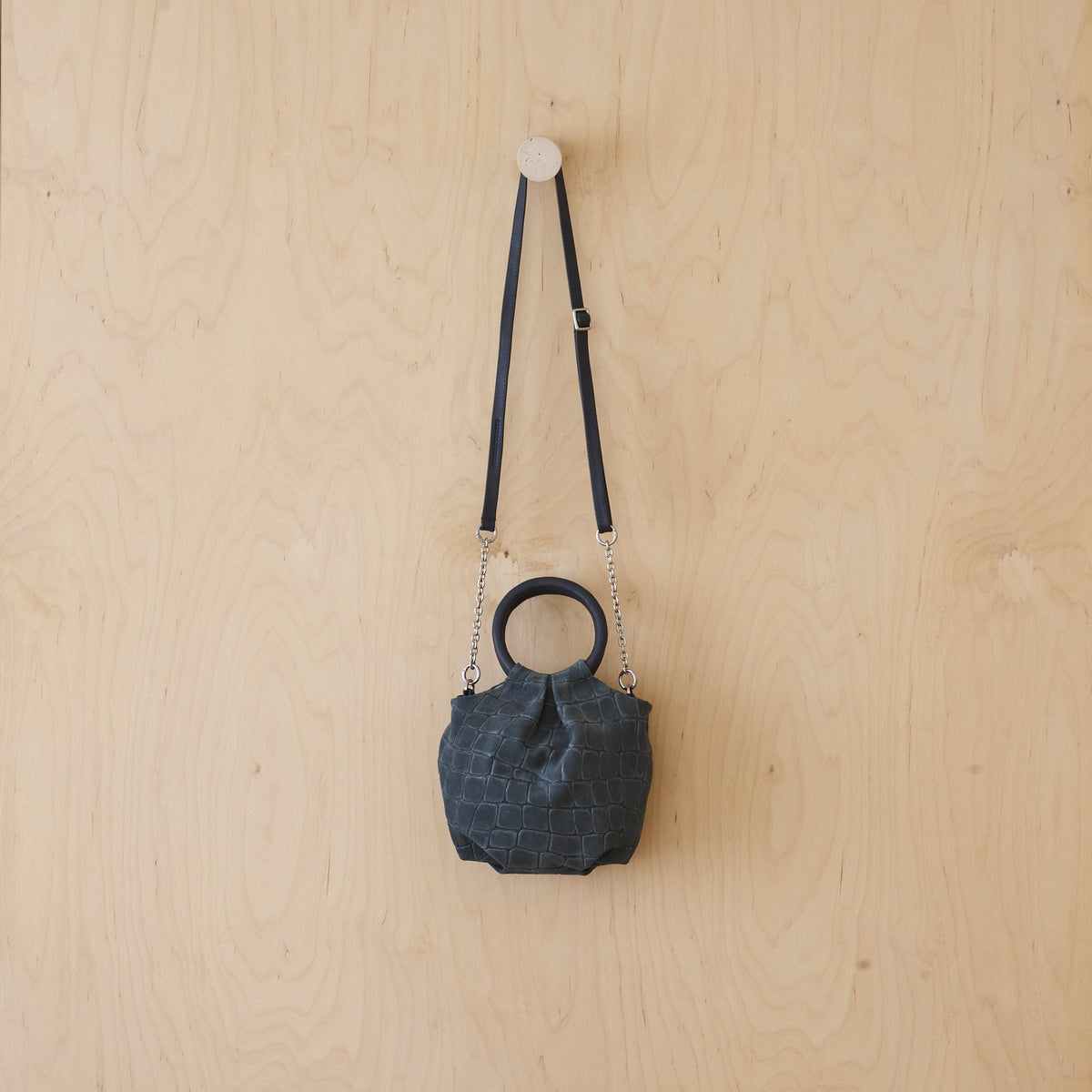
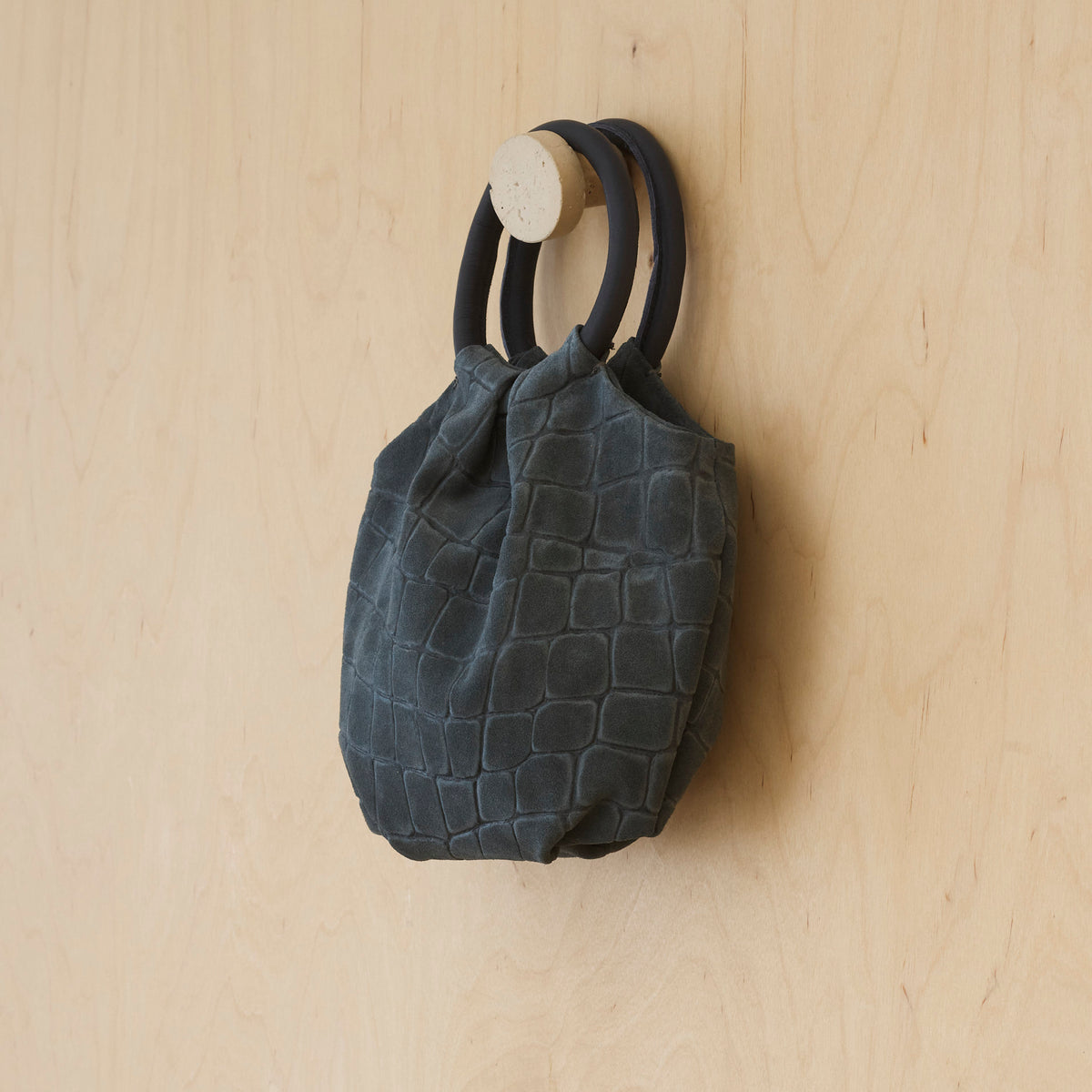
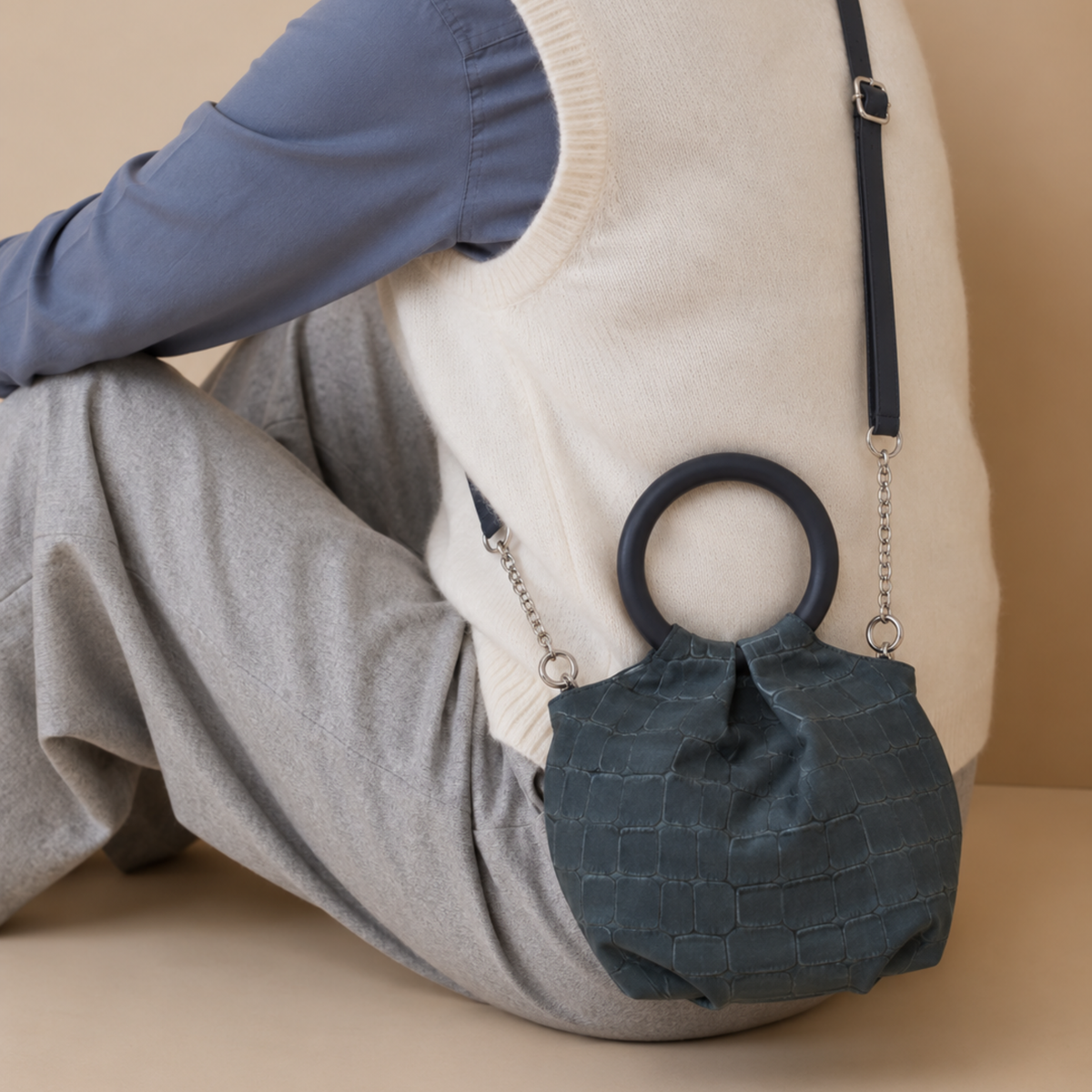
During the event days, you will have the opportunity to meet the artist, talk to her, and even purchase her unique, handmade creations, in limited stock. Each item, vessel, or urn is a unique piece in its structure, color, and appearance. We highly recommend coming and being impressed by the full variety.


Ramat Aviv

15.6.25

9:30 - 21:30

Ramat Aviv Mall, 2nd floor, Brodetzky 43, Tel Aviv-Yafo

Basel

17.6.25

9:30 - 21:30

Basel 34, Tel Aviv-Yafo

The story of leather as a historical raw material

A timeless symbol of artistry and innovation

Leather, an ancient and versatile material, has played a vital role in shaping our world as we know it. Leather has a rich and fascinating history that stretches back to prehistoric times. It is a material that has been used for everything, and has proven to be an essential tool in almost every aspect of life. The story of leather is a testament to human ingenuity and resourcefulness, showcasing the vast variety of products that can be made from it.
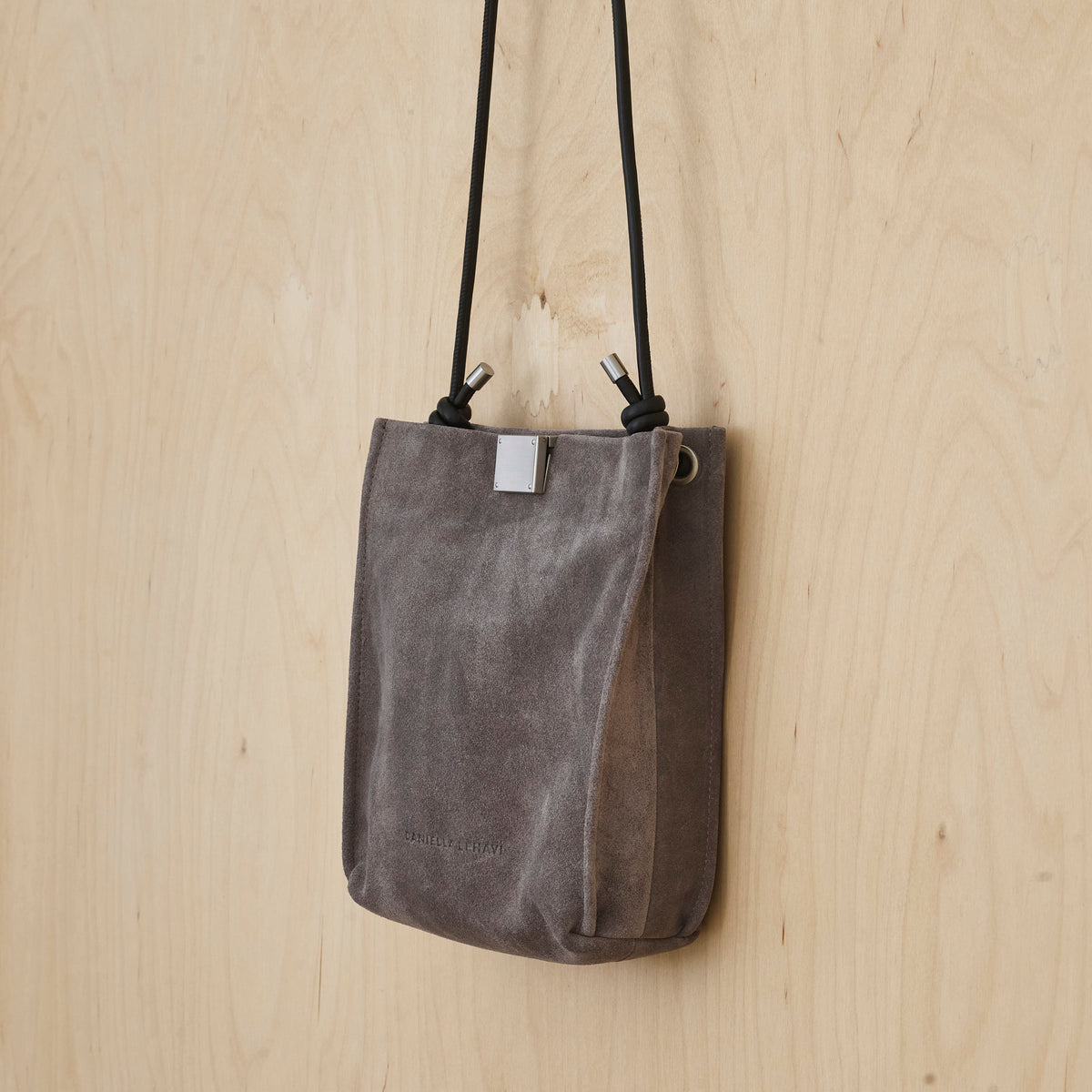
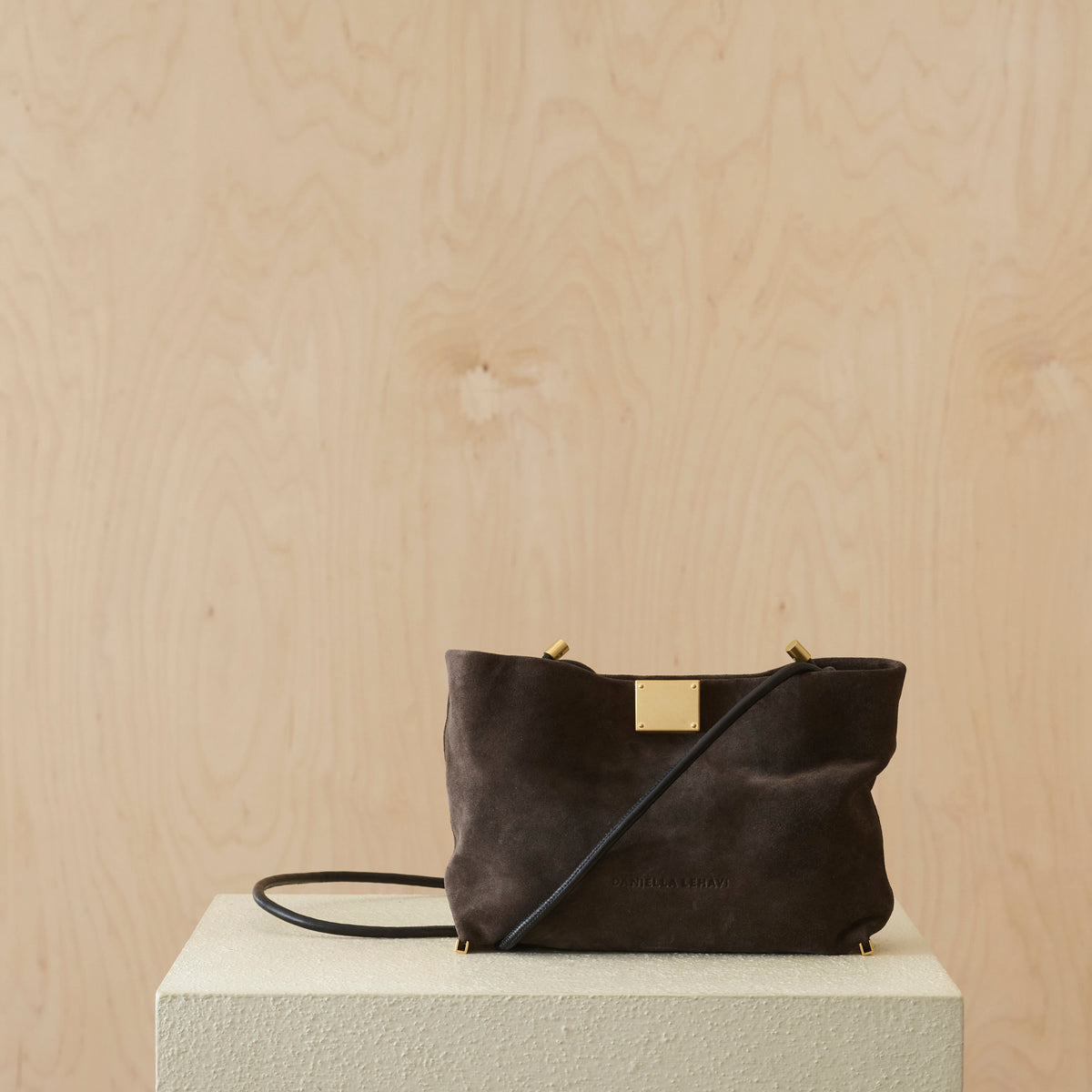
As early as 1300 BC, primitive communities began to recognize the benefits of using animal skins beyond food byproducts. They created leather goods for clothing and shelter, using traditional techniques to soften and preserve the hides. This trend continued to evolve over time, as early cultures developed their own methods for tanning and preserving leather. This led to a plethora of leatherworking techniques and styles emerging around the world.

Leather can be crafted into anything from delicate peel to tough, impenetrable armor. Leather's unique adaptability and durability continue to make it a timeless and iconic symbol of artisanal innovation combined with contemporary fashion and style.

The craft of tanning

A leatherworking tradition that has lasted for generations

The art of tanning is a timeless craft that has been practiced for more than 7,000 years.

The craft transforms animal hides into a durable and flexible material that can be used for a wide range of applications. This complex process requires a great deal of care and attention, as well as expertise and skill. Over generations, traditional tanners have inherited methods and techniques that have given the craft a rich history and cultural significance around the world.

Herbal leather processing is the most traditional and well-known method that involves the use of natural plant materials to preserve animal skins.

At the end of the processing process, the leather has a natural touch and feel, which continues to react and change depending on the environmental conditions it is in. Each sheet of leather is unique in its own way, with long-lasting quality and the ability to age gracefully.

Today, tanneries continue to honor the ancient craft of tanning by using natural tannin derived from trees and plants. The beauty of leather lies in its ability to be shaped into various objects that touch our lives in meaningful ways, emphasizing the unique characteristics of the leather.

Wet Forming Technique

Leather design for 3D shapes

The craft of shaping leather into complex three-dimensional shapes is done using the Wet Forming technique, which is based on the craft of shoemakers.

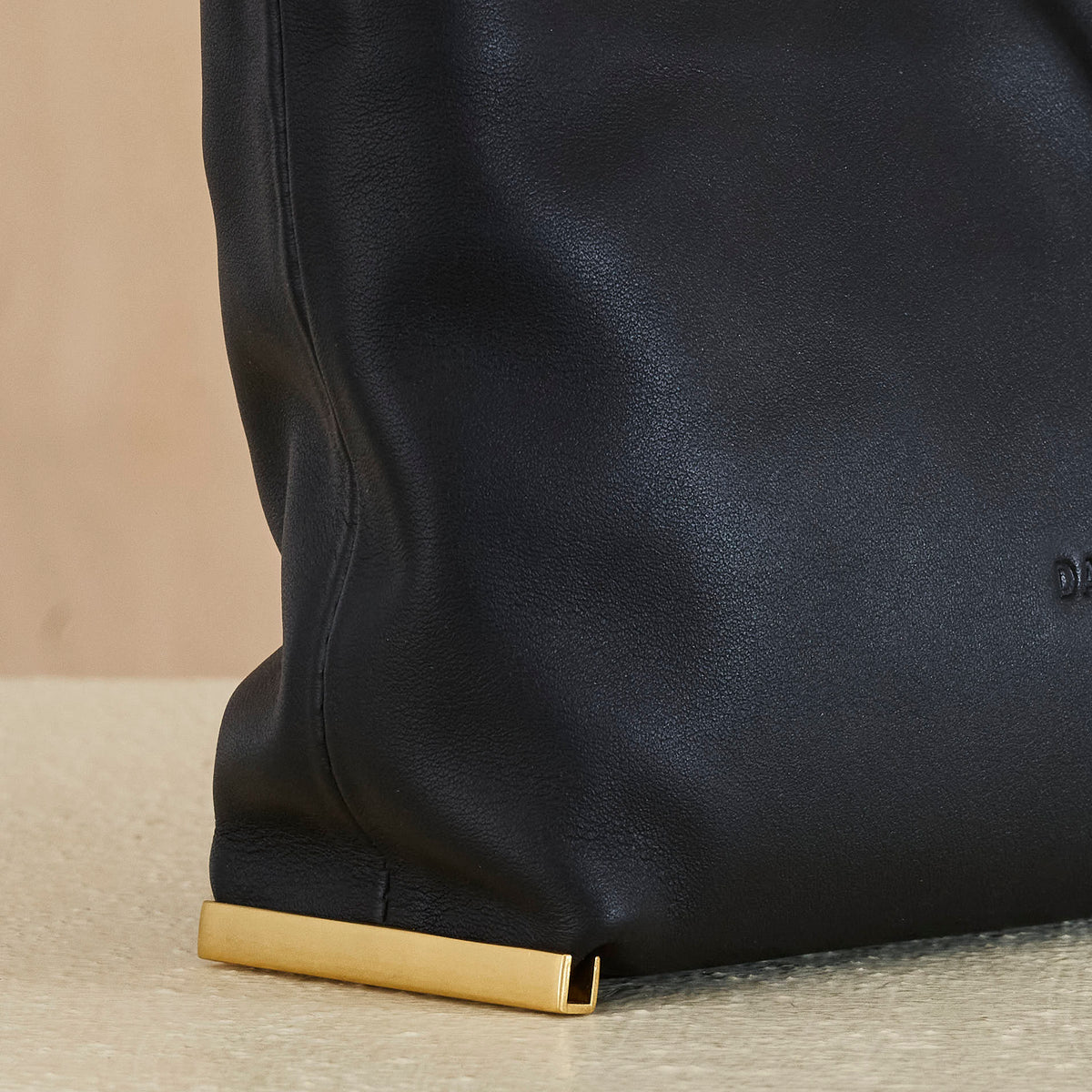
The technique is exclusive to vegetable-processed leather, emphasizing the leather’s unique ability to create a stable three-dimensional volume. The process involves immersing the leather in water to soften it, and stretching it over a rigid, volumetric mold. After drying, the leather retains its new structural shape, while maintaining a sophisticated and refined appearance.

The Wet Forming technique is a testament to the ingenuity of sculptors throughout history, and its results continue to inspire respect.

Sustainable leather

Source, production and biodegradability

Sustainable leather is gaining ground as an environmentally conscious choice in the fashion and design industries. It encompasses various practices that aim to reduce the negative impact of leather production on the environment.

Sustainable leather production involves several crucial aspects. First, the source of the leather is a by-product of the meat and dairy industries. Second, sustainable leather production is based on a plant-based processing process, significantly reducing the use of harmful chemicals, toxins and excess water, thereby preserving both human health and the ecosystem. Finally, the organic composition of leather allows it to decompose naturally in a reasonable period of time, without external intervention, which highlights its environmentally friendly nature.

Sustainable leather is not just a material, it is a breathable and changing material, responding to environmental conditions such as humidity and sunlight, displaying its intriguing properties that demonstrate the wisdom of nature.

By appreciating the qualities inherent in sustainable leather, we can move away from the negative perceptions perpetuated by the fast fashion industry and adopt a more sustainable and responsible approach to the use of this unique material in the fashion and design industry.

Eco-Fabrics

Sustainable style and commitment

The pieces are made from leather sourced from EcoFabrics, a sustainable materials agency based in Paris and Milan. EcoFabrics is dedicated to sourcing and sourcing sustainable materials and is known for its commitment to the environment. EcoFabrics partners with global manufacturing companies and laboratories with high quality and sustainability standards to ensure it leads the way in sustainable materials solutions.

To skin

Urns as an expression of strength and beauty

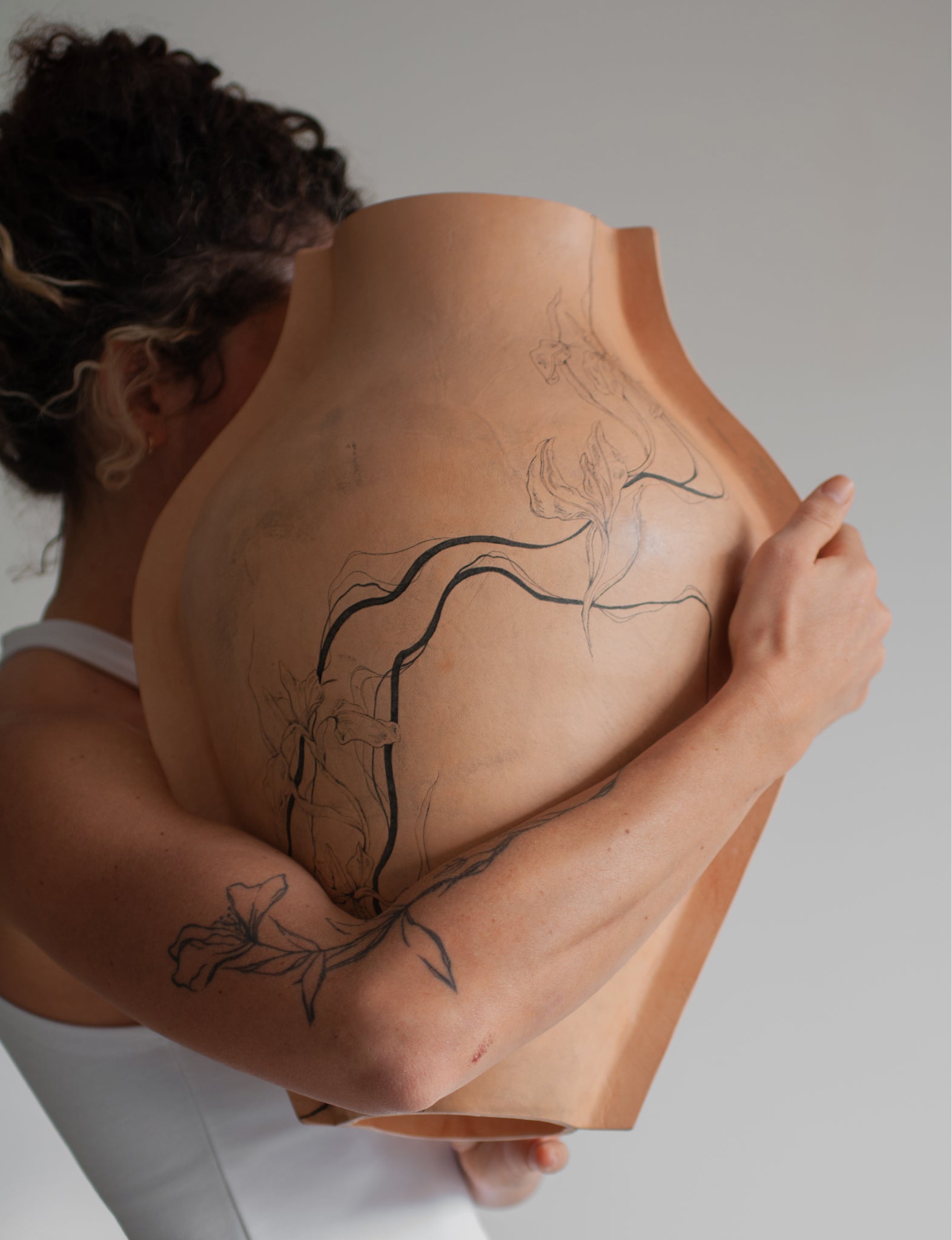
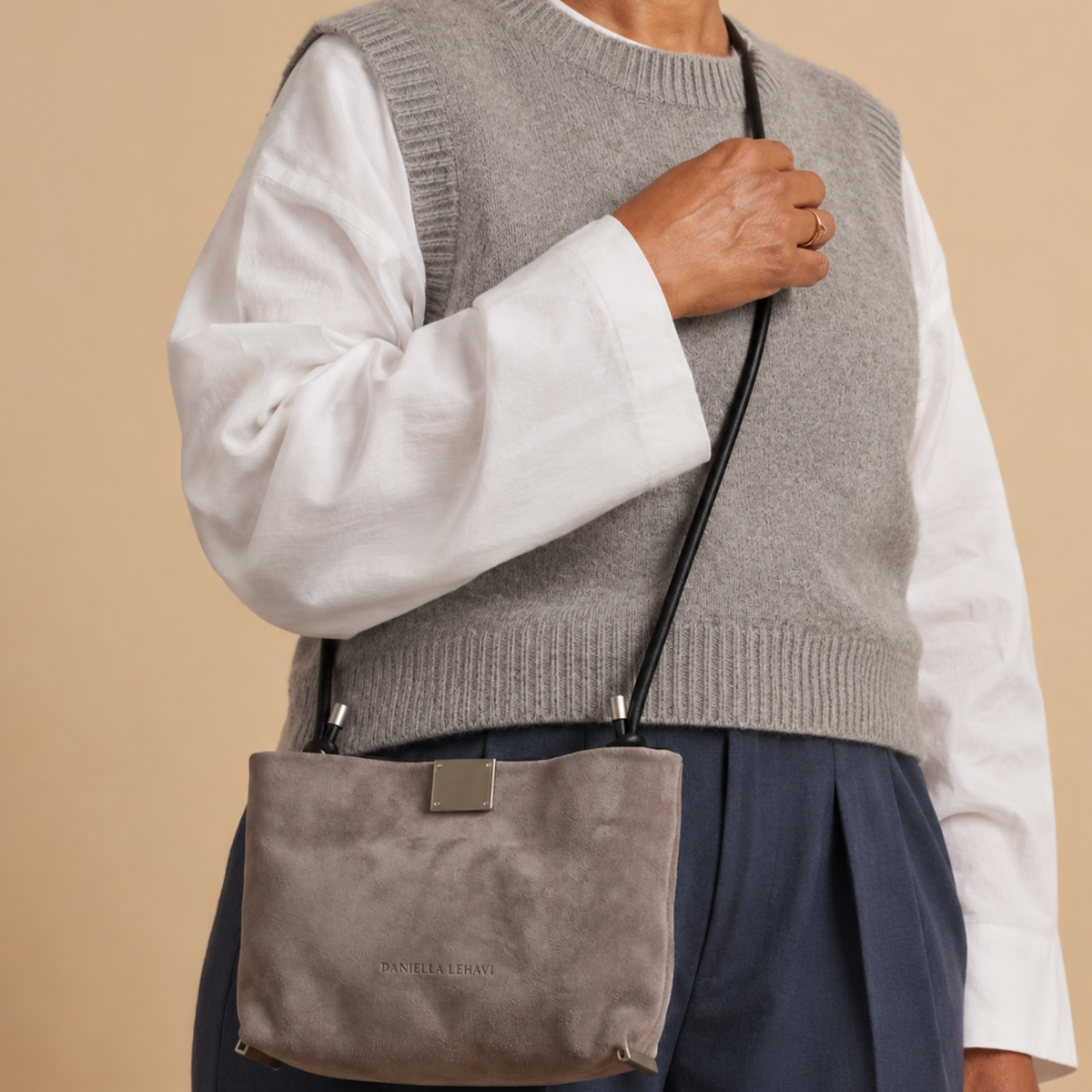
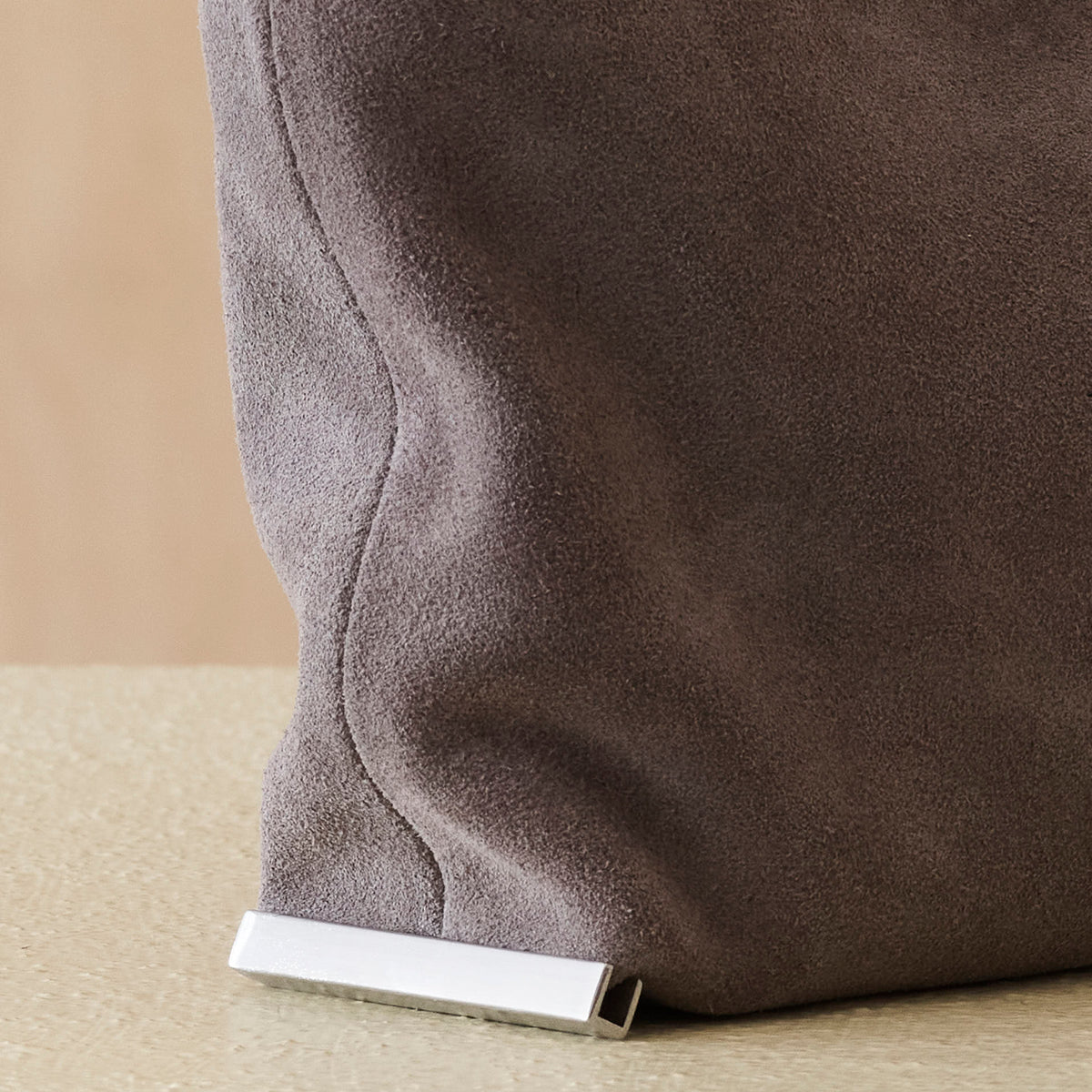
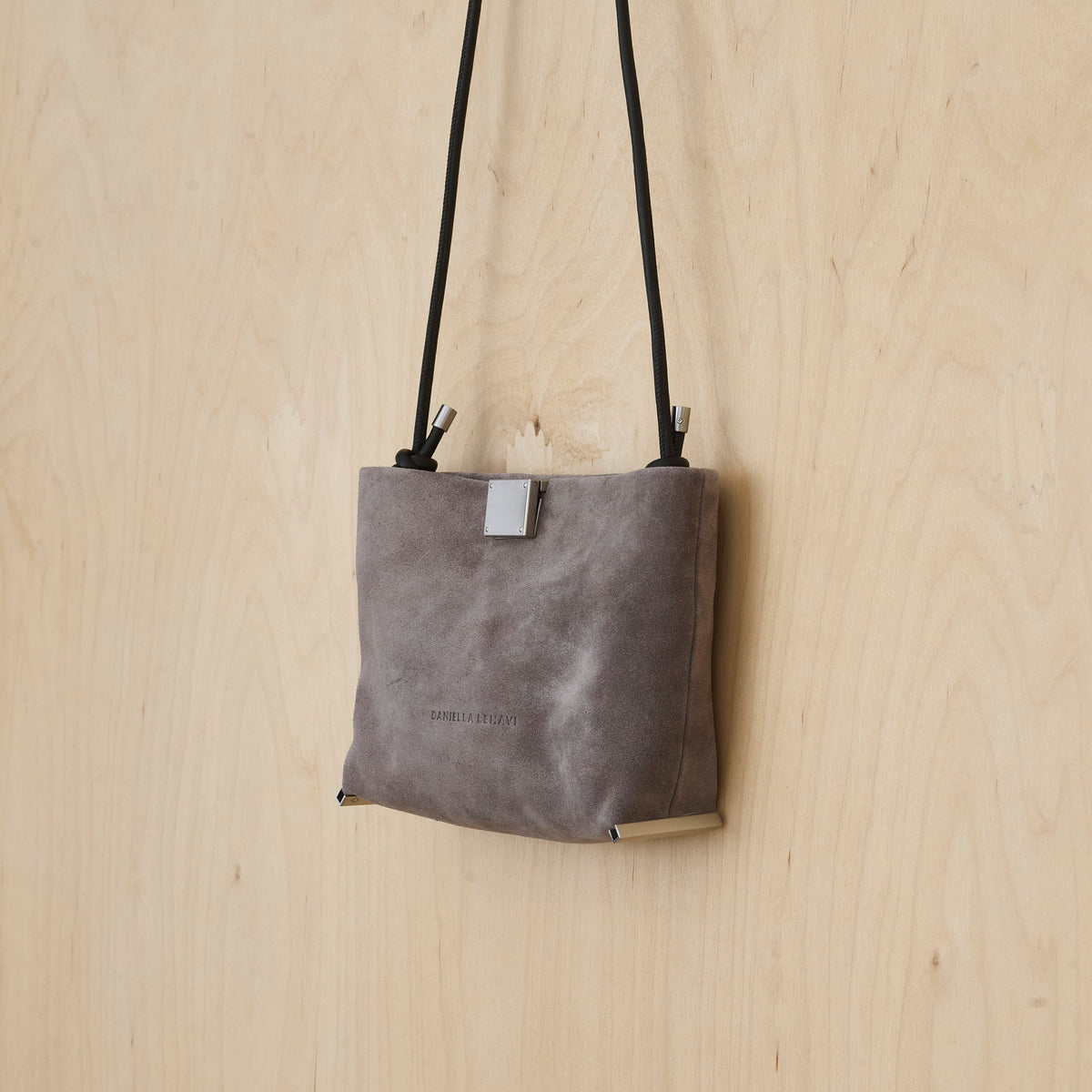
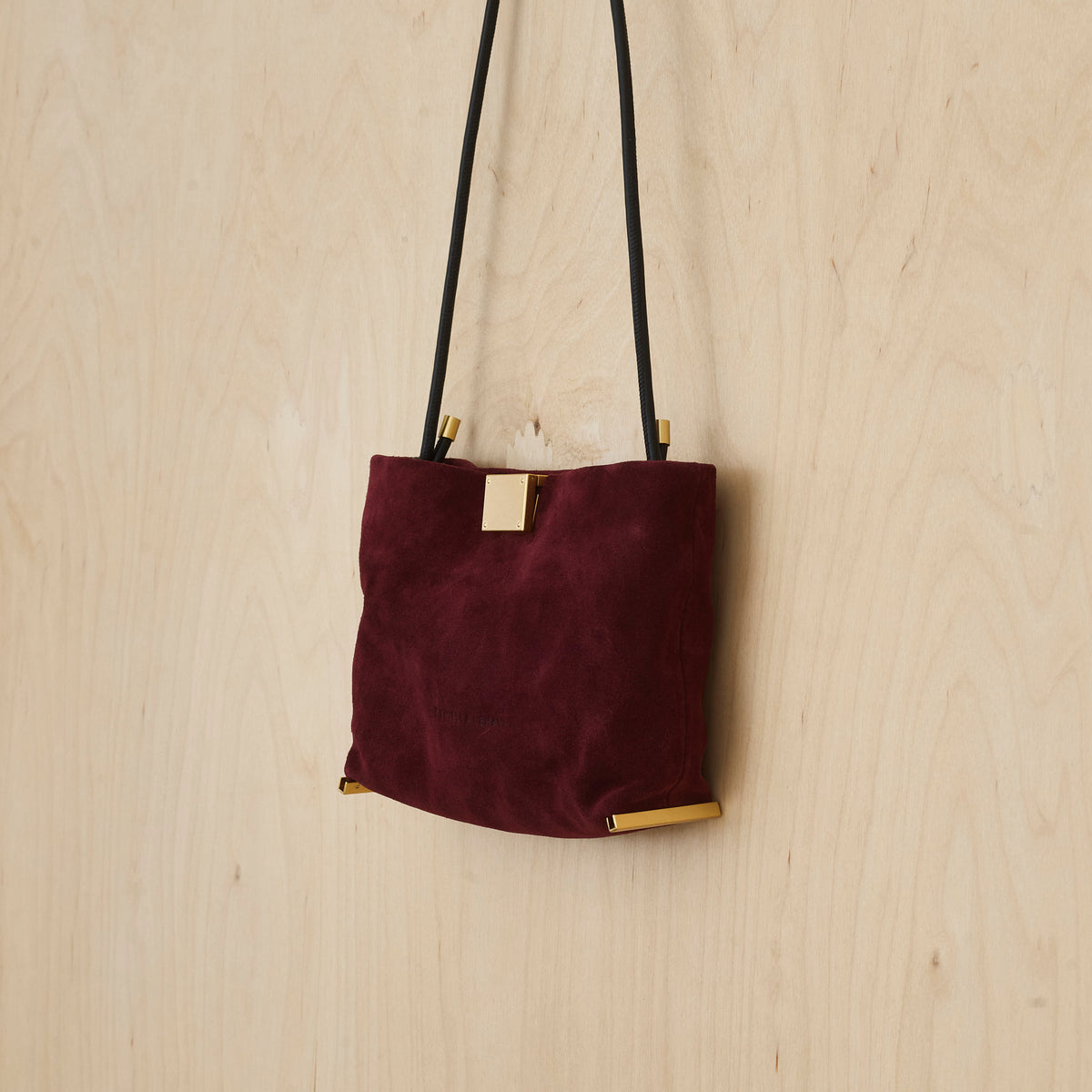
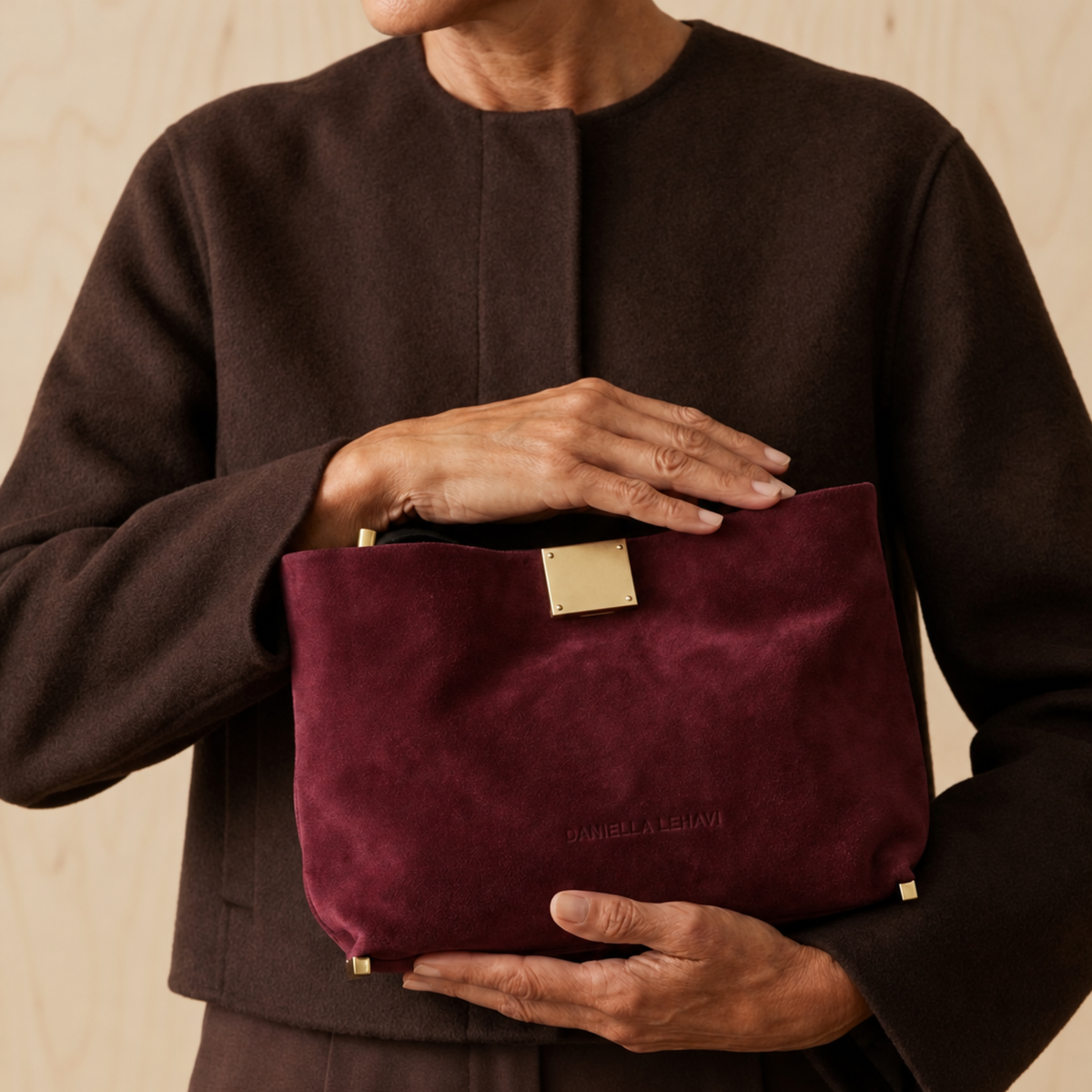
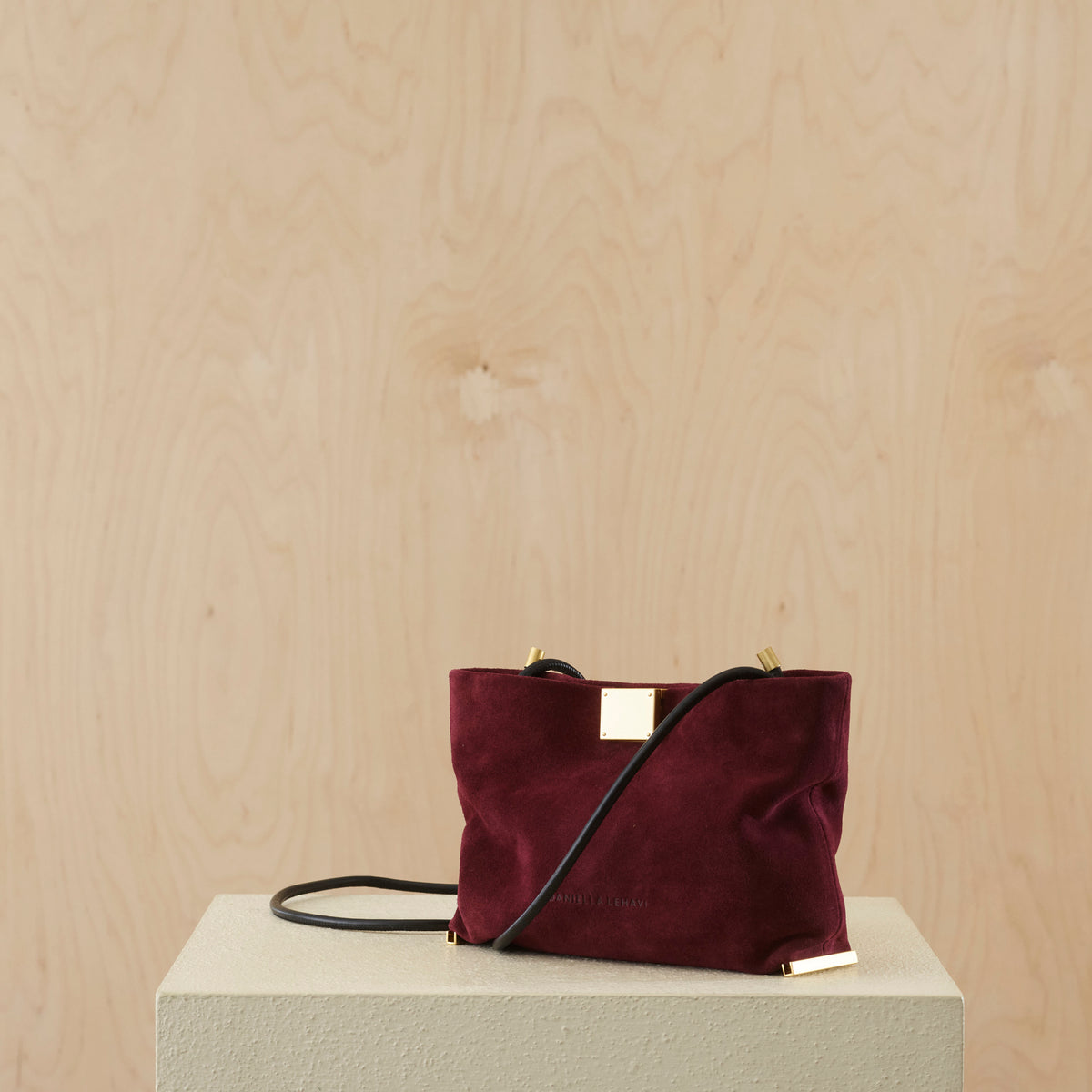
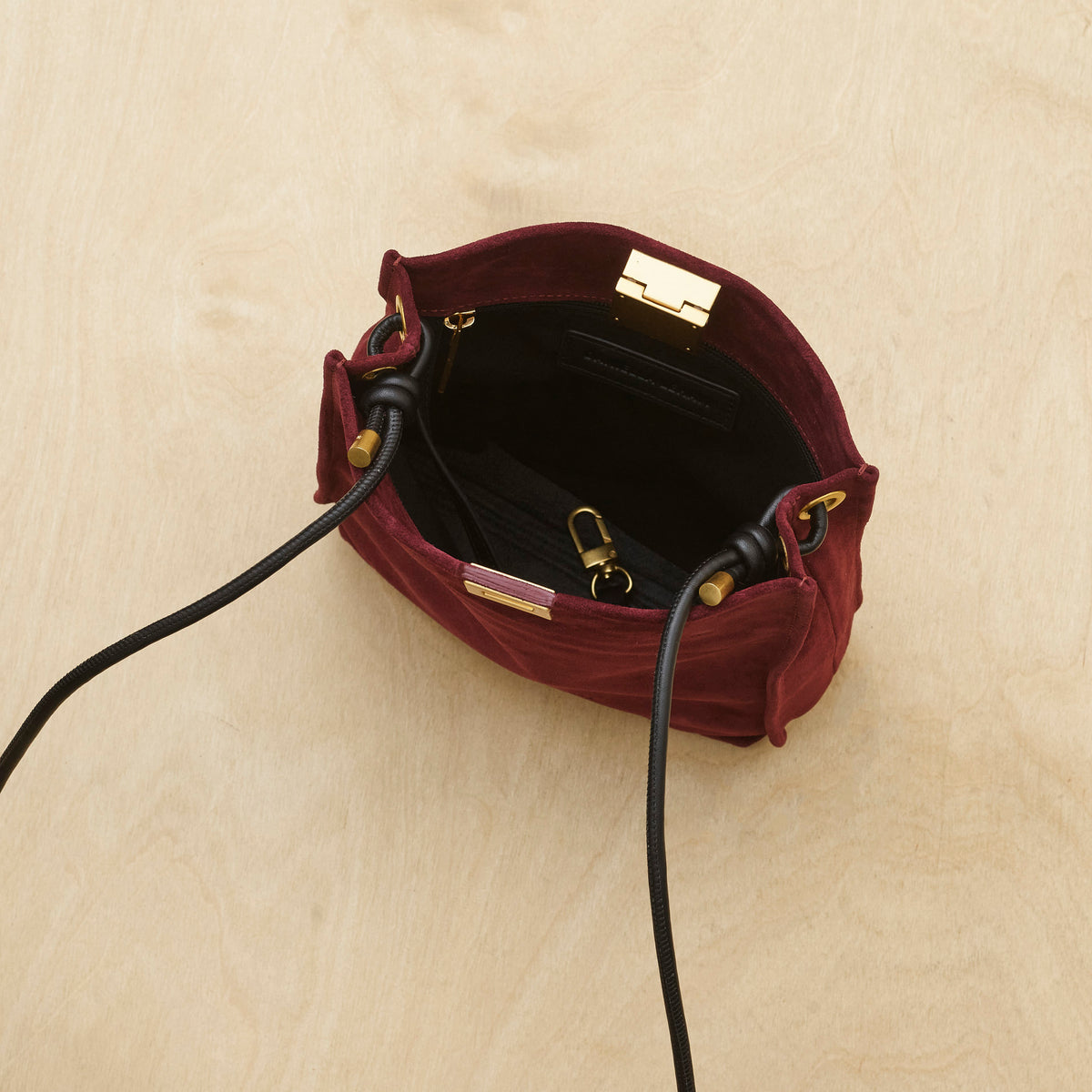
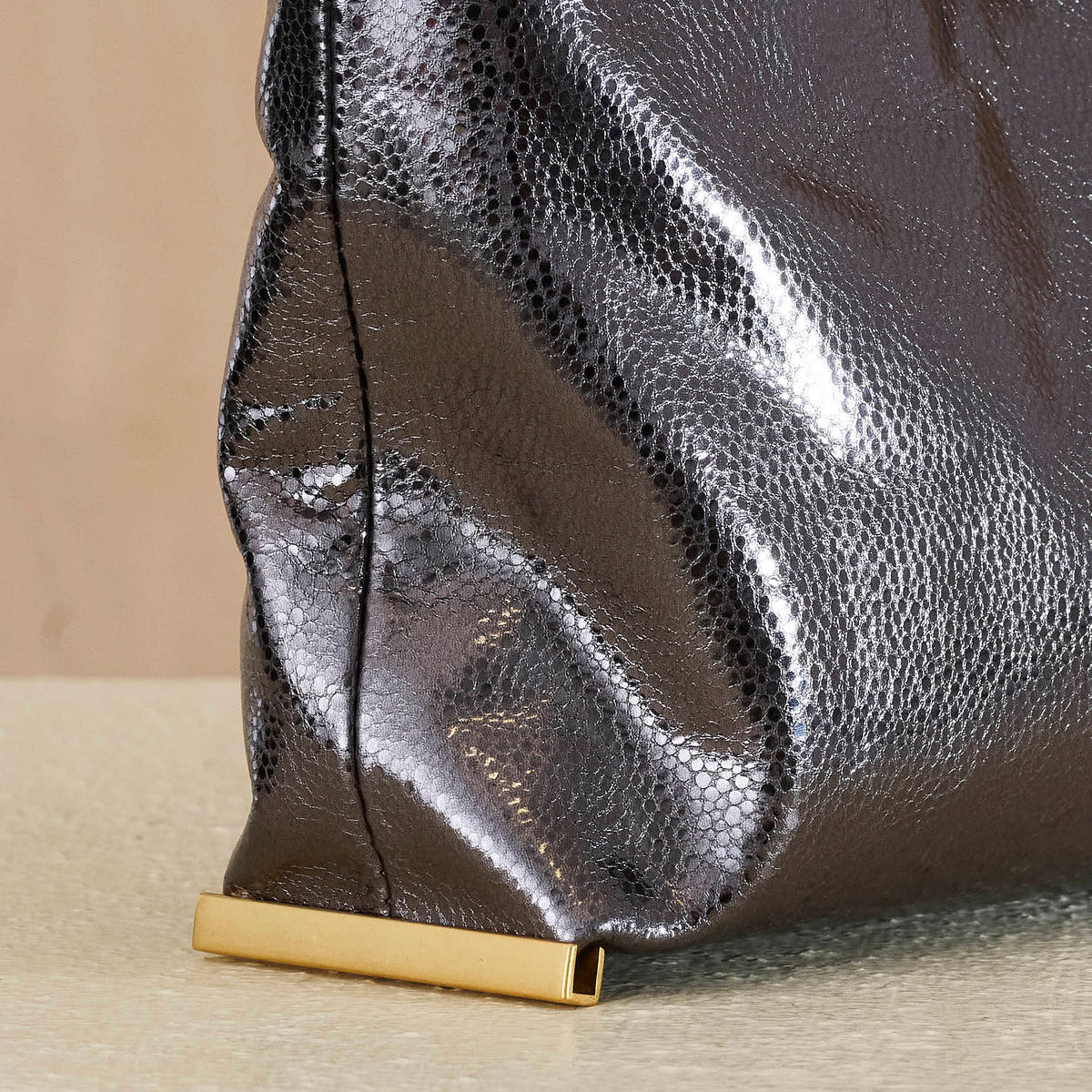
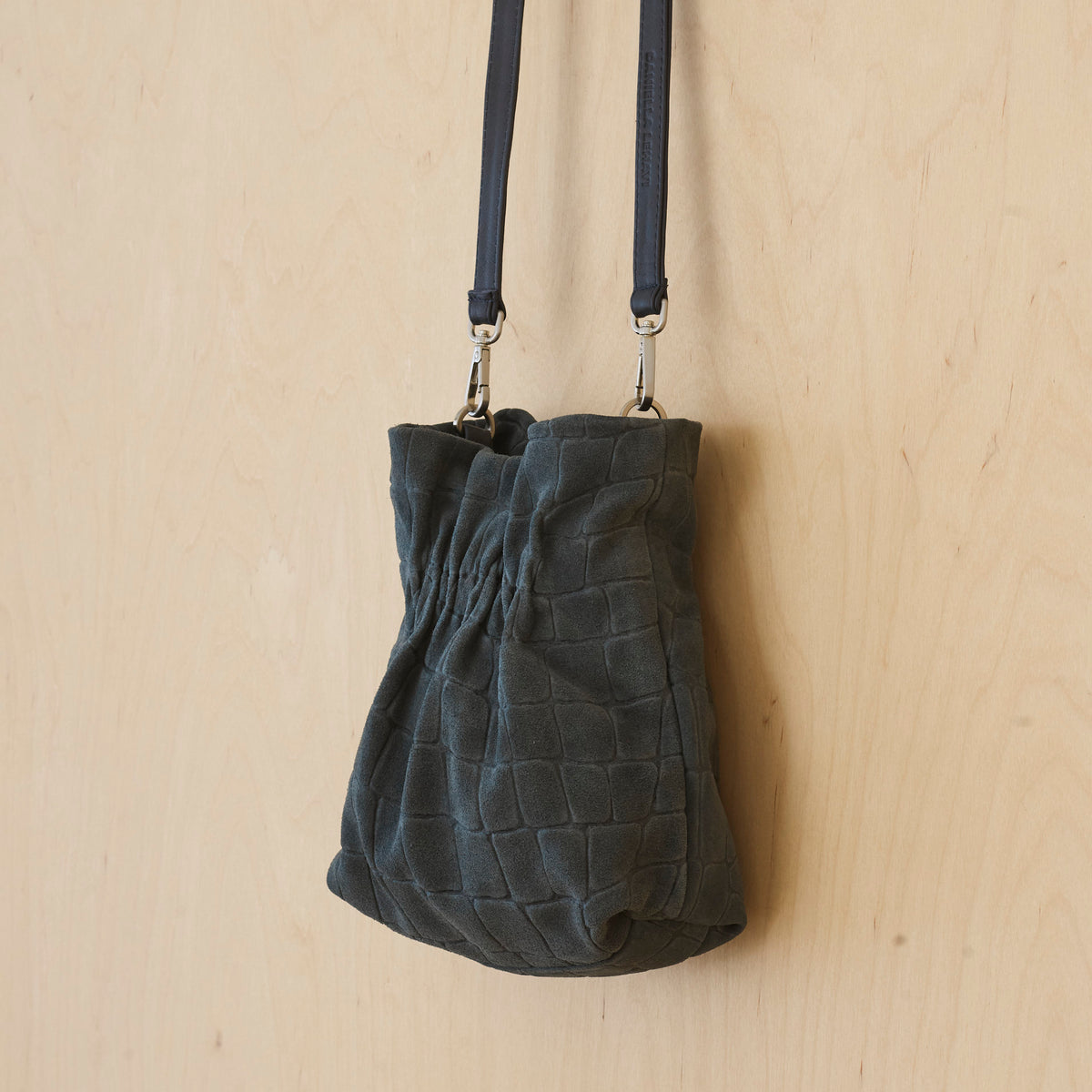
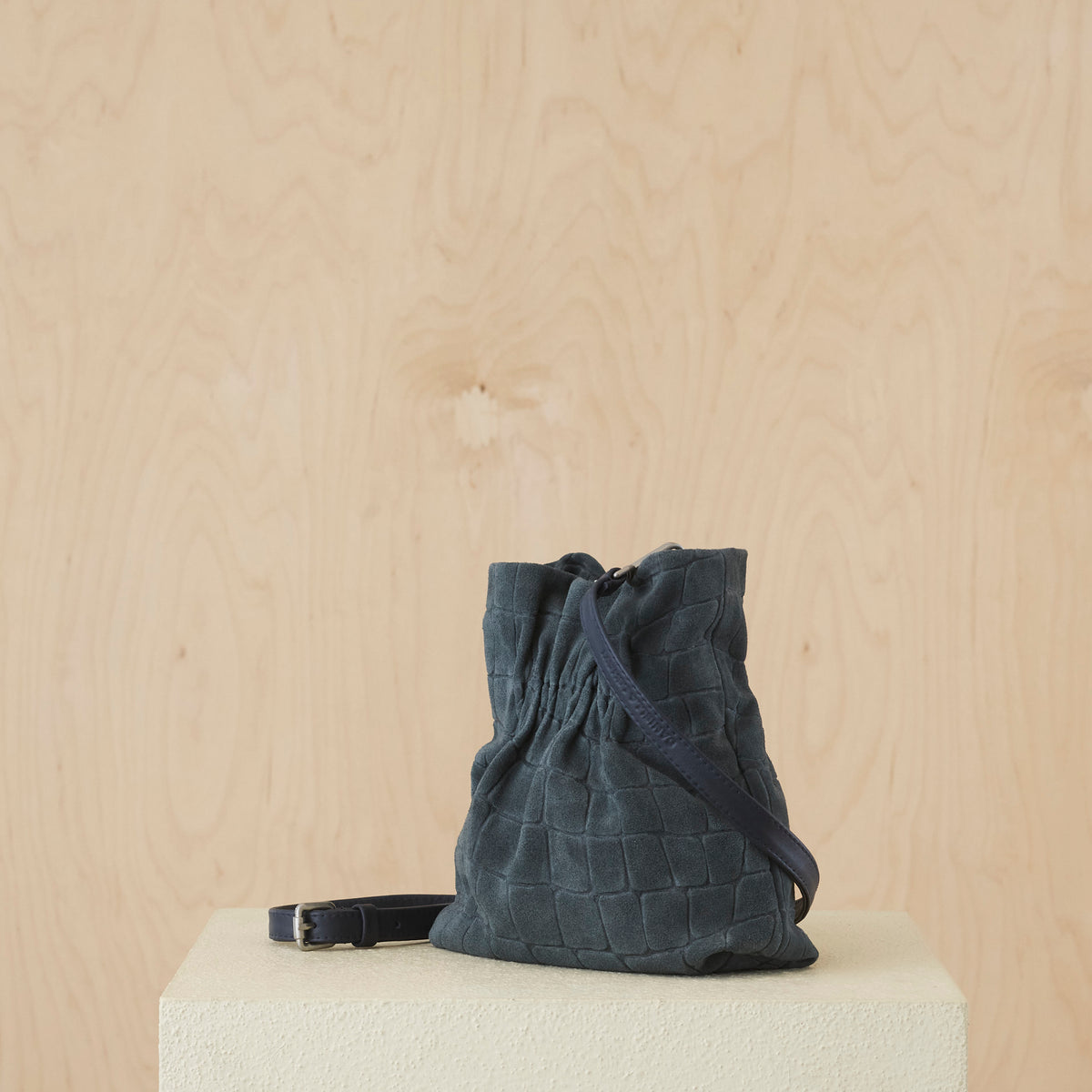
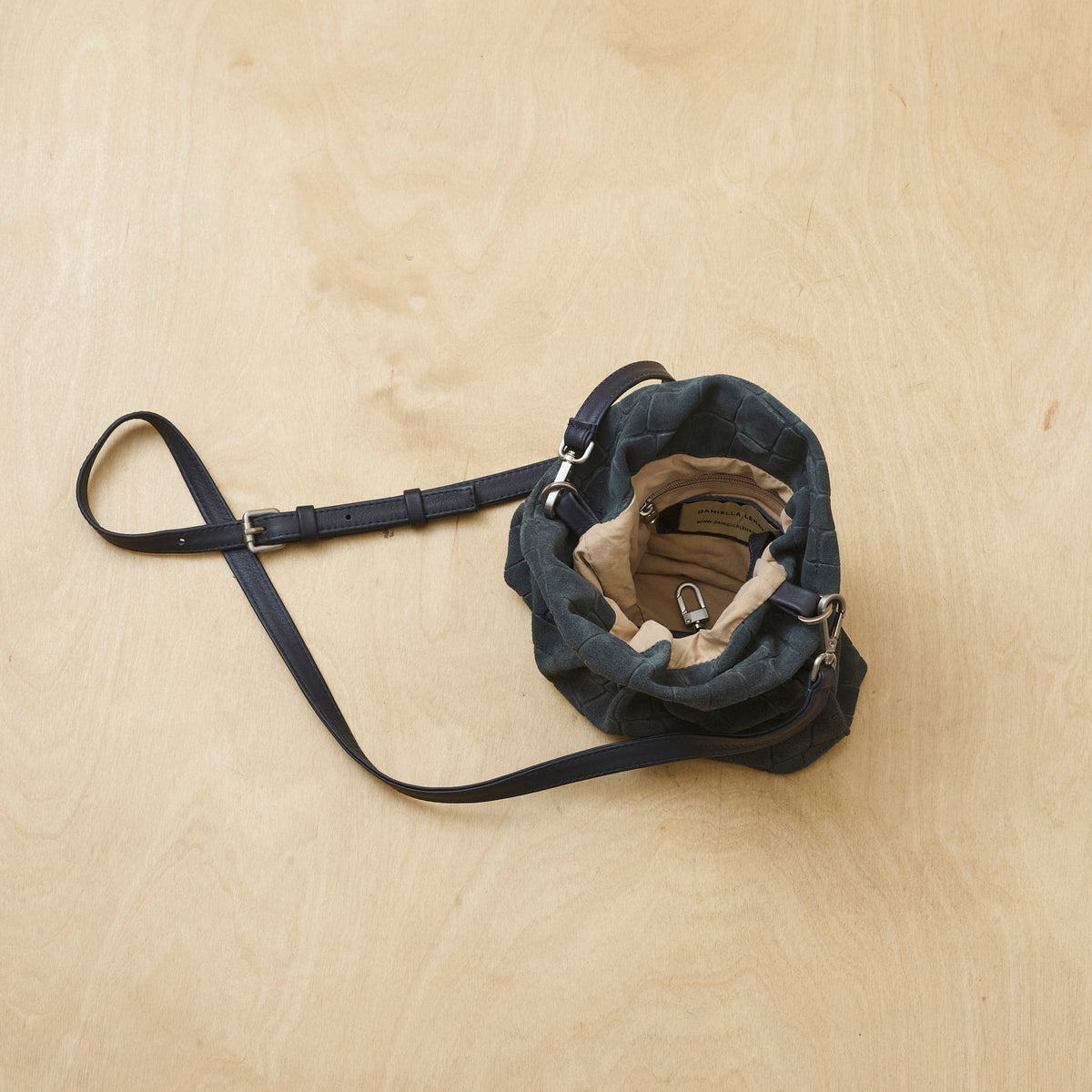
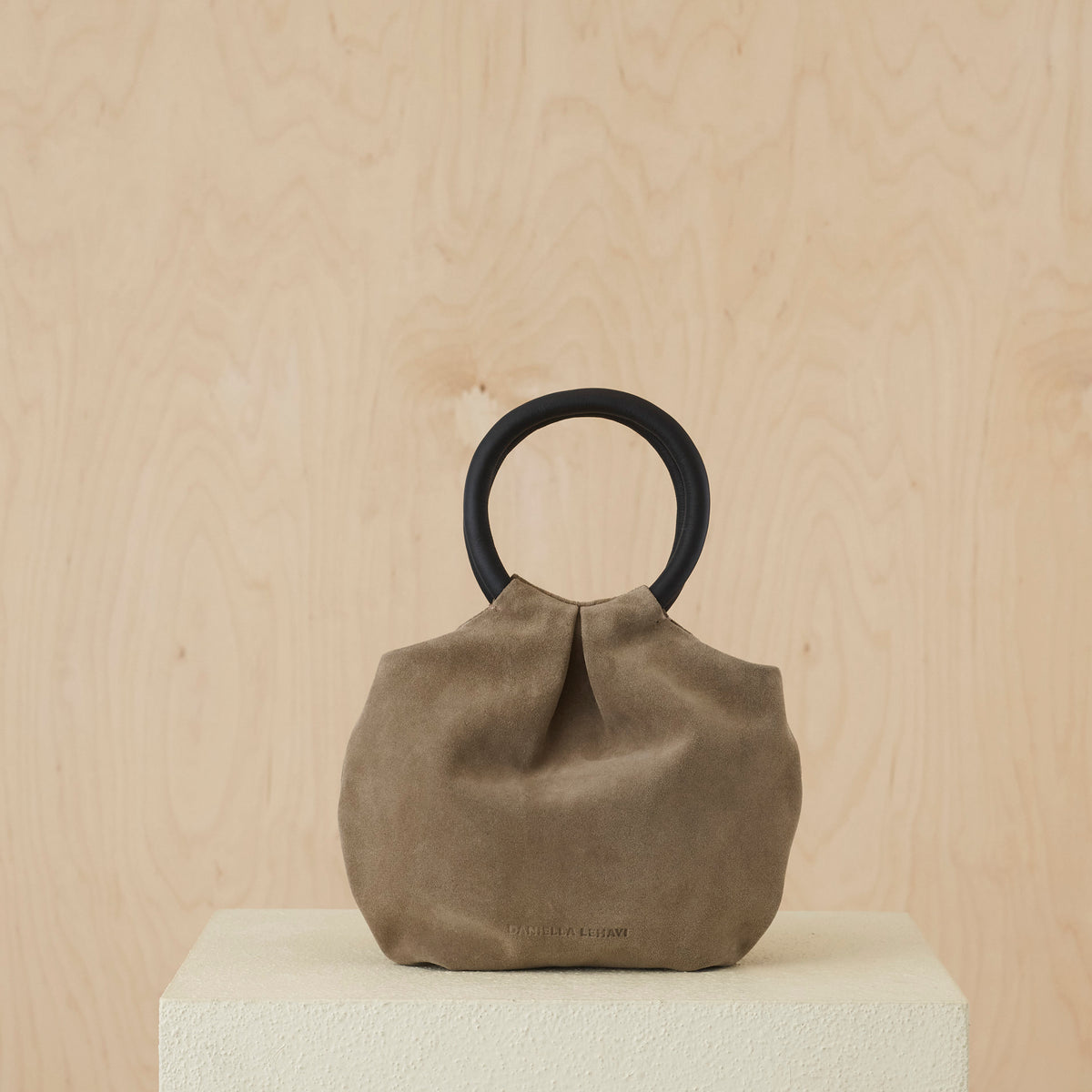
Leather jugs serve as a showcase for the qualities and potential of the material. The jugs are a versatile canvas, allowing the strength and delicacy of leather to be emphasized. The resilience and inherent beauty of leather are harmoniously brought to the forefront through these designs.

Dive into our world